

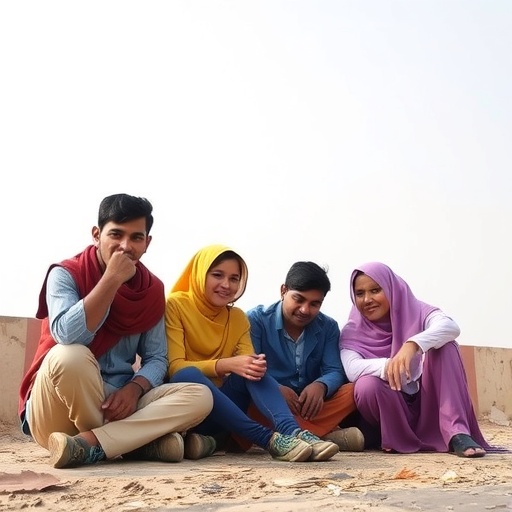
In a groundbreaking study that sheds light on the mental health landscape of young adults in South Asia, researchers Z. Keshf and A. Nadeem have investigated the prevalence of wellbeing among this demographic in Punjab, Pakistan. Published in the journal Discover Psychology, their findings present a staggering look at the factors influencing mental wellbeing among young adults, as well as the disparities faced by different sub-groups within this population. This research comes at a critical time when the importance of mental health awareness is gaining momentum globally, but particularly in South Asia, where such discussions have historically been stigmatized.
Young adulthood is a pivotal period characterized by significant transition and self-discovery. For many, it is a time of exploration, forming relationships, and understanding one’s purpose in life. However, this transition can also be fraught with challenges, and the pressures associated with education, employment, and societal expectations can lead to mental health concerns. Keshf and Nadeem’s research paints a vivid picture of how these pressures manifest in the lives of young adults in Punjab, illuminating the urgent need for comprehensive mental health support in the region.
The study employs a robust methodology to evaluate the wellbeing of over a thousand participants, encompassing a diverse range of backgrounds and experiences. Through carefully designed surveys and interviews, the researchers collected quantitative and qualitative data, facilitating a nuanced understanding of the wellbeing indicators that resonate with young adults. Such a dual approach enhances the study’s validity, offering a well-rounded perspective on the mental health challenges faced by this population.
Central to the findings is the observation that young adults in Punjab experience varying levels of wellbeing based on several critical factors, including socioeconomic status, educational attainment, and gender. For instance, respondents from lower socioeconomic backgrounds reported significantly higher levels of anxiety and depression, underscoring the link between financial stability and mental health. This correlation highlights the need for targeted interventions that address not only mental health but also the economic factors that contribute to it.
Moreover, the gender disparities uncovered in the research reveal alarming trends. Female participants articulated a greater sense of social isolation and emotional distress compared to their male counterparts. Such findings resonate with global patterns, wherein women often face compounded pressures of societal expectations and limited access to supportive resources. Keshf and Nadeem emphasize the necessity of developing gender-sensitive strategies to promote mental wellbeing that account for these disparities.
The research also delves into the role of educational institutions in shaping young adults’ mental health. Schools and universities are key environments for socialization and personal development; however, they can also be sources of significant stress. The study found that students facing academic pressures and competitive environments were more likely to report low wellbeing scores. This revelation is crucial for educators and policymakers who must recognize the impact of academic stress on mental health when designing curricula and support services.
Importantly, Keshf and Nadeem’s analysis extends beyond individual experiences to consider the broader societal context. They argue that cultural factors and social norms play a critical role in influencing wellbeing. In regions where discussing mental health remains a taboo, young adults may hesitate to seek help, further exacerbating feelings of isolation. The researchers advocate for public awareness campaigns that normalize conversations about mental health and encourage young people to seek support when needed.
Their findings call for a multi-faceted approach to mental health promotion, advocating for the integration of mental wellbeing into public health strategies. By implementing programs aimed at reducing stigma, enhancing access to mental health resources, and offering practical support for young adults, policymakers can create a more supportive environment that fosters resilience and wellbeing.
In a world increasingly navigating the complexities of mental health, the insights from Keshf and Nadeem serve as a clarion call for change. Addressing the mental health crisis among young adults in South Asia requires immediate action, sustained advocacy, and the commitment of stakeholders at every level. This research not only contributes significant data to the ongoing discourse surrounding mental health but also galvanizes efforts towards improving the quality of life for a generation in need.
To provide a closer look at the implications of this study, Keshf and Nadeem elaborate on various supportive actions that can be adopted. One promising approach includes the development of community-based mental health programs that empower young individuals, providing them with coping mechanisms and fostering a support network among peers. Such initiatives could serve as a stepping stone toward greater resilience and social connectedness, ultimately driving improvement in wellbeing outcomes.
As discussions around mental health continue to evolve, the research conducted by Keshf and Nadeem marks a significant advancement in understanding the particular nuances within South Asia. By pinpointing the specific challenges faced by young adults in Punjab, this study lays the groundwork for future research and intervention strategies tailored to the cultural and societal dynamics of the region.
In conclusion, the work of Keshf and Nadeem not only sheds light on the pressing mental health issues facing young adults in Punjab, Pakistan, but also sets the stage for wider discussions around mental healthcare. The pathway towards a healthier, more informed society involves collaboration amongst mental health professionals, educational institutions, and policymakers, all working together to dismantle the barriers hindering access to support systems.
Ultimately, as we strive for a future where mental health is prioritized, the findings of this pivotal research remind us of the work still to be done. There is an urgent need to foster environments that promote wellbeing, ensuring that young adults are equipped with the tools and resources necessary to navigate the complexities of modern life. With sustained effort and commitment, we can work towards a world where mental health is no longer a peripheral concern but a fundamental aspect of public health.
Subject of Research: Wellbeing among young adults in South Asia, focusing on Punjab, Pakistan.
Article Title: Prevalence of wellbeing among young adults in South Asia: evidence from Punjab, Pakistan.
Article References:
Keshf, Z., Nadeem, A. Prevalence of wellbeing among young adults in South Asia: evidence from Punjab, Pakistan.
Discov Psychol (2026). https://doi.org/10.1007/s44202-025-00577-4
Image Credits: AI Generated
DOI:
Keywords: Mental Health, Young Adults, Wellbeing, South Asia, Punjab, Pakistan, Socioeconomic Status, Gender Disparities, Educational Institutions, Mental Health Resources.


