

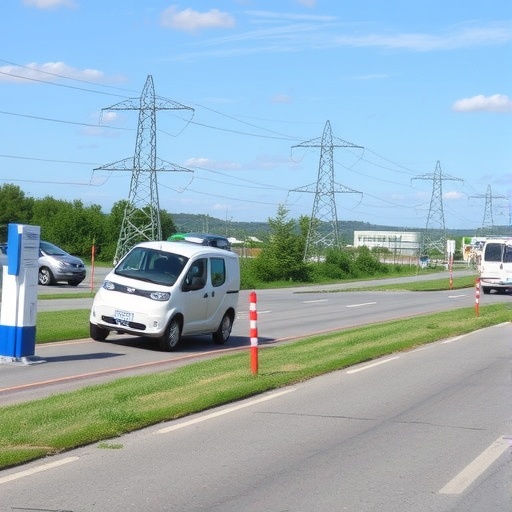
In the ever-evolving landscape of modern energy systems, the integration of electric vehicles (EVs) and renewable energy sources into what is known as vehicle-to-grid (V2G) technology represents a transformative potential. This innovative concept not only serves to enhance the efficiency of power distribution but also plays a critical role in addressing the pressing challenges of climate change. The recent bibliometric review authored by Yao, Wu, and Bian sheds light on the most significant trends and findings within the realm of V2G technology in coupled energy power and transportation systems. Their work compellingly underscores the necessity of interdisciplinary collaboration as we move towards sustainable energy solutions.
Vehicle-to-grid technology involves the sophisticated interplay between electric vehicles and the broader electricity grid. EVs, when connected to the grid, can draw power to charge their batteries, but they can also serve as energy resources when connected back to the grid. In essence, they can discharge electricity during periods of high demand, thus stabilizing the grid and contributing to a more resilient energy infrastructure. This dynamic exchange of energy presents both opportunities and challenges that are being actively explored across various research disciplines.
The bibliometric review meticulously analyzes a vast array of scholarly articles, providing a comprehensive overview of research themes and methodologies employed in studying V2G systems. By utilizing quantitative bibliometric techniques, the authors dissect publication trends, citation networks, and the evolution of research topics over time. Their findings reveal a notable increase in interest around V2G technologies, which correlates with the global push towards electrification and sustainable energy practices. This surge in research activity not only reflects a growing awareness of the potential benefits of V2G but also highlights the urgency to explore and model these systems effectively.
One of the critical insights from the authors’ analysis is the identification of key players in the field. Institutions, universities, and research teams that have made substantial contributions to V2G research are highlighted, illustrating a network of academic expertise. This academic landscape is crucial as it serves as the foundation for future innovations and developments within the V2G framework. Collaborative efforts among leading scholars and institutions can accelerate the advancement of technologies necessary for effective implementation.
A significant aspect of the review is the exploration of various applications of V2G technology beyond mere power management. For instance, the potential for EVs to provide ancillary services, such as frequency regulation and load balancing, showcases the multi-faceted role vehicles could play within the energy ecosystem. As the technology matures, the implications for both energy providers and consumers could be profound, leading to innovative pricing models, reduced energy costs, and improved grid reliability.
Furthermore, the review discusses how regulatory frameworks and policy initiatives are pivotal in shaping the landscape of V2G technology. Governments and regulatory bodies worldwide are beginning to recognize the merit of integrating EVs into national grids as a means to enhance energy security and promote sustainability. The research encapsulates these dynamics, calling for an alignment of policy measures with emerging technologies to foster an enabling environment for V2G systems.
Aside from the technical and regulatory dimensions, the economic implications of V2G integration deserve attention. As electric vehicle penetration increases, understanding the economic feasibility of V2G systems becomes essential. The review presents various economic models and evaluates their effectiveness in quantifying the benefits and costs associated with implementing V2G technology on a large scale. This financial perspective is critical for stakeholders, from consumers to energy providers, as it helps inform investment decisions and strategic planning.
Yao, Wu, and Bian also delve into the social aspects surrounding V2G implementation. The acceptance of V2G technology among consumers is paramount for its success. Factors influencing consumer adoption range from technological understanding to perceived benefits and risks. The review discusses strategies to engage consumers and build trust in the technology, emphasizing that technological advancement must be complemented by education and outreach to enhance public perception.
Moreover, the relationship between the deployment of renewable energy sources and V2G technology is intricately examined. The synergy between these two elements can foster greater energy independence while minimizing carbon emissions. The review highlights case studies that exemplify successful integrations of V2G systems with solar and wind energy, providing real-world examples of how this synergy can be realized effectively.
Interestingly, the bibliometric review does not shy away from acknowledging current limitations within V2G research. Several technological hurdles still exist, including battery lifespan concerns, the interoperability of different systems, and the need for robust cybersecurity measures. Additionally, the complexity of managing large fleets of EVs presents logistical challenges that require further investigation. Recognizing these barriers highlights the importance of ongoing research and innovation in overcoming the challenges faced when scaling V2G technologies.
The review culminates in a call to action, urging researchers to pursue interdisciplinary projects that extend beyond conventional boundaries. By fostering collaboration among engineers, policy makers, economists, and social scientists, it is possible to devise holistic solutions that optimize the benefits of V2G technology while addressing the multifaceted challenges inherent in energy transition. The integration of diverse perspectives is essential for realizing the full potential of V2G systems and for catalyzing sustainable practices in the transportation and energy sectors.
As we stand at the precipice of a new era in energy consumption and management, the need for effective V2G technologies has never been more critical. Yao, Wu, and Bian’s bibliometric review underscores the intersection of research and practice, advocating for a collective effort to navigate the complexities of this emerging field. By investing in research, embracing innovation, and fostering collaboration, there lies a powerful opportunity to reshape the future of energy and transportation, ultimately contributing to a more sustainable planet.
In conclusion, the findings from Yao, Wu, and Bian’s comprehensive bibliometric analysis offer vital insights into the trajectory of V2G research and its implications for energy systems worldwide. The urgency of advancements in this field cannot be overstated, as the confluence of transportation electrification and renewable energy becomes increasingly vital to address climate change challenges effectively. As researchers, policy makers, and industry leaders unite around the principles of V2G technology, we may not just adapt to the changing energy landscape but thrive within it, paving the way for a sustainable and resilient future.
Subject of Research: Vehicle-to-grid technology
Article Title: A bibliometric review of vehicle to grid in coupled energy power and transportation systems
Article References:
Yao, S., Wu, F. & Bian, Z. A bibliometric review of vehicle to grid in coupled energy power and transportation systems.
Discov Sustain (2026). https://doi.org/10.1007/s43621-025-02484-z
Image Credits: AI Generated
DOI: 10.1007/s43621-025-02484-z
Keywords: Vehicle-to-grid, electric vehicles, renewable energy, bibliometric review, energy systems, sustainability.


