

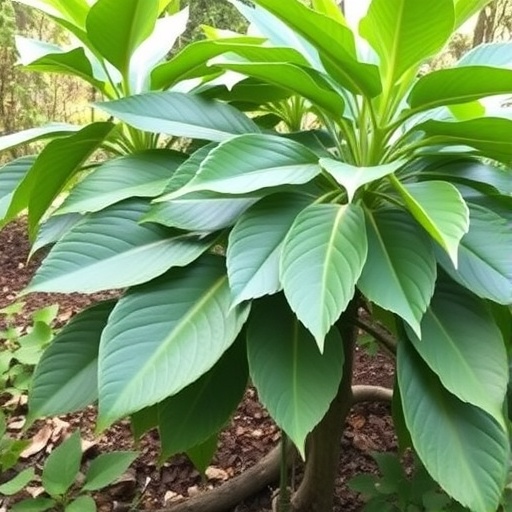
In a groundbreaking study, researchers have revealed the potential of certain indigenous plants in combating the debilitating condition known as elephantiasis, a chronic disease characterized by severe swelling of the limbs and genitals. The paper published by Lehasa et al. delves deep into the ethnopharmacological assessment of three lesser-known botanical species: Elephantorrhiza elephantina, Pentanisia prunelloides, and Dioscorea sylvatica. These plants were identified through cultural knowledge and traditional use in the affected regions, signaling a profound intersection of local wisdom and modern scientific inquiry.
For millennia, elephantiasis has posed a significant public health challenge, particularly in tropical and subtropical regions. The disfigurement caused by the disease not only leads to physical pain but also social stigmatization and isolation. Thus, effective treatments are desperately needed. The study’s authors have taken steps to uncover the therapeutic potential of these plants through methodical investigation and analysis, spurred by traditional healing practices that acknowledge the importance of flora in health management.
Researchers conducted rigorous assessments involving phytochemical analyses, exploring the bioactive compounds present in these plants. For instance, Elephantorrhiza elephantina, known for its extensive tuberous root system, was meticulously examined for its pharmacological properties, contributing to the understanding of its efficacy against elephantiasis. Laboratory studies revealed the presence of various alkaloids and flavonoids, which are compounds renowned for their anti-inflammatory and antioxidant properties.
Pentanisia prunelloides, locally revered for its medicinal qualities, also came under scrutiny. Researchers employed extraction methods to isolate active compounds and then utilized advanced analytical techniques such as high-performance liquid chromatography (HPLC) to quantify these bioactive ingredients. The results suggested a fascinating array of substances capable of modulating immune responses, which may play a critical role in ameliorating the symptoms associated with elephantiasis.
On the other hand, Dioscorea sylvatica was found to possess unique properties that highlight the diversity of plant defenses against parasitic infections. The researchers unearthed significant insights into its bioactivity against various pathogens linked to elephantiasis, thus establishing a potential avenue for developing new treatments based on ancient knowledge systems. The findings underscore the importance of preserving traditional medicine practices while bridging them with contemporary scientific methods.
Throughout the investigation, the researchers emphasized the importance of sustainable resource management and ethical sourcing of these plants. With the growing threat of biodiversity loss due to environmental degradation and climate change, the study advocates for the conservation of these vital plant species. By integrating ecological concerns into ethnopharmacological studies, future research can continue to protect and utilize these invaluable resources sustainably.
Moreover, the collaboration between ethnobotanists, pharmacologists, and local communities is essential. Such interdisciplinary partnerships foster trust and knowledge sharing, which is crucial for the success of future research initiatives. By engaging with traditional healers and local populations, researchers not only amplify the scientific legitimacy of their work but also pay homage to the rich cultural heritage intertwined with these plants’ medicinal uses.
As public health experts acknowledge the resurgence of interest in natural products, the findings from this study align perfectly with the ongoing quest for innovative and effective therapies. The implications of these results reach far beyond just elephantiasis, potentially informing the treatment of other lymphedema-related conditions and diseases. This holistic approach could inspire further research into the unexplored potentials of numerous other indigenous flora.
Furthermore, the study sheds light on the need for increased funding and resources directed toward neglected tropical diseases, which commonly suffer from a lack of attention and investments in medical research. With a relentless focus on pharmaceutical solutions, many traditional herbal remedies often remain overlooked, even though they may provide a cost-effective and accessible path to treatment for the most vulnerable populations.
In conclusion, the research conducted by Lehasa and colleagues is a clarion call to embrace alternative forms of medicine that align with local practices and ecological considerations. The findings not only reveal the therapeutic potential inherent in Elephantorrhiza elephantina, Pentanisia prunelloides, and Dioscorea sylvatica but also signify a renaissance in the recognition of traditional knowledge as a foundational platform for modern scientific inquiry. As the world grapples with increasing health challenges, such integrative efforts could mold the future of healthcare, prioritizing sustainability and inclusivity.
Recognizing the historical and cultural significance of these plants opens new avenues for collaboration between academia, indigenous knowledge holders, and healthcare practitioners. It emphasizes a forward-thinking framework promoting both the safeguarding of traditional practices and the advancement of scientific knowledge—a model poised to yield powerful benefits for generations to come.
The study symbolizes a turning point, advocating for a reexamination of how we approach healing and health. This exploration of the intersection between ethnopharmacology and scientific analysis has the potential to transcend borders, impacting communities worldwide burdened by elephantiasis and other similar diseases. The findings may well lead to a resurgence of interest in traditional medicine, allowing age-old practices to flourish in tandem with modern healthcare solutions.
Ultimately, the work encapsulates an inspiring example of how tradition and innovation can beautifully converge, heralding a new era in the treatment of neglected tropical diseases.
Subject of Research: Ethnopharmacological assessment of plants used in elephantiasis treatment
Article Title: Ethnopharmacological assessment of plants used in elephantiasis treatment: a study on Elephantorrhiza. elephantina, Pentanisia prunelloides, and Dioscorea sylvatica
Article References:
Lehasa, S.G., Mojau, P.J., Pieters, R. et al. Ethnopharmacological assessment of plants used in elephantiasis treatment: a study on Elephantorrhiza. elephantina, Pentanisia prunelloides, and Dioscorea sylvatica. BMC Complement Med Ther (2026). https://doi.org/10.1186/s12906-026-05260-2
Image Credits: AI Generated
DOI: 10.1186/s12906-026-05260-2
Keywords: Elephantiasis, Ethnopharmacology, Traditional medicine, Biodiversity, Sustainable healthcare, Indigenous plants, Phytochemistry.


