

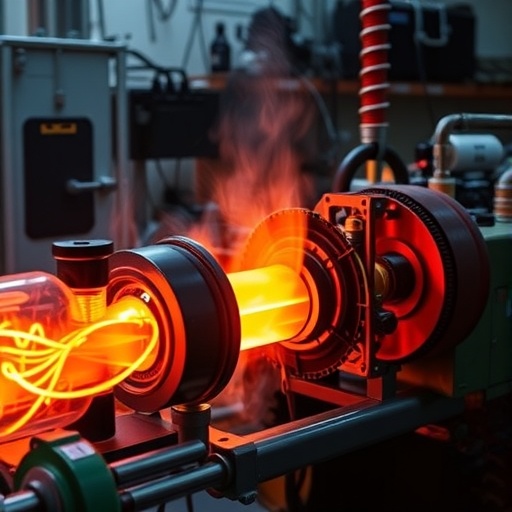
Recent advancements in alternative fuels have renewed interest in oxymethylene-dimethyl-ether (OME), especially as a viable option to enhance the efficiency and sustainability of diesel engine combustion. This compound, an ether with potential environmental benefits, is being closely examined for its characteristics and benefits across various automotive sectors. The research, as outlined by Saupe and Atzler, emphasizes the promising properties of OME that align with the modern demands for cleaner combustion technologies.
Diesel engines have been a cornerstone of the transportation industry for decades, yet their environmental impact has raised concerns. They are notorious for emitting nitrogen oxides and particulate matter, key contributors to urban air pollution and adverse health effects. In response to these challenges, the search for cleaner alternatives has led to the consideration of OME as a fuel. Its chemical structure allows for a conducive combustion process that could potentially reduce harmful emissions significantly.
OME is synthesized from renewable resources, making it an attractive candidate in the shift towards greener fuels. The production of OME involves the polymerization of formaldehyde, which can be derived from biomass. This not only lowers the carbon footprint associated with fuel production but also opens avenues for resource sustainability. The effective utilization of renewable resources resonates well with the current trends in energy production, aiming to mitigate reliance on fossil fuels.
One of the core strengths of OME is its high oxygen content, which promotes complete combustion of the fuel. This leads to a significant reduction in carbon monoxide and unburned hydrocarbons emittance. The high cetane number of OME also contributes to improved ignition characteristics, enhancing engine performance and efficiency. As automotive manufacturers increasingly prioritize efficiency and lower emissions, OME’s role could be critical in achieving these objectives.
In addition to its favorable combustion properties, OME can potentially be blended with conventional diesel fuels to optimize performance. This flexibility in application means that existing diesel engines can be adapted to utilize OME blends with minimal modifications. Thus, automakers and fuel producers can collaboratively develop solutions that fit within the current infrastructural framework, easing the transition to alternative fuels.
Challenges remain in the widespread adoption of OME as a mainstream diesel alternative. Issues related to storage and transportation, specifically its hygroscopic nature, may pose hurdles. OME’s affinity for water means that it must be handled with care to prevent contamination, which could impact its performance. Researchers are investigating ways to create additives that can mitigate these risks and enhance the stability of OME as a fuel option.
Furthermore, the life cycle assessment of OME highlights its benefits over traditional fossil fuels. From production through to combustion, the overall emissions associated with OME demonstrate a significant reduction in greenhouse gases. This aligns with global efforts to curtail climate change by transitioning to less carbon-intensive fuels. The comprehensive evaluations conducted by researchers enable policymakers and industry leaders to make informed decisions regarding fuel adoption.
Looking ahead, further studies are essential to fully understand the long-term effects of using OME in diesel engines. Mechanistic studies focusing on combustion chemistry will provide deeper insights into how OME operates at various engine conditions. Additionally, examining the durability and performance of engines running on OME blends will guide necessary refinements in engine design and operation practices.
Public awareness and acceptance of new fuel technologies play a significant role in their successful implementation. Education on the advantages of OME could thus catalyze demand among consumers, encouraging manufacturers to invest more in research and development. The narrative surrounding alternative fuels must emphasize not just their environmental benefits, but also their superiority in performance metrics over traditional fuels.
The potential of oxymethylene-dimethyl-ether in driving the automotive industry towards cleaner alternatives is undeniable. With the automotive sector under pressure to develop sustainable solutions, OME emerges as a fuel with excellent potential. Its properties align well with the needs of modern engines, offering a pathway for reduced emissions without sacrificing performance.
Innovation in alternative fuel sources such as OME reflects the industry’s responsiveness to environmental challenges. As research progresses, the focus shifts towards creating synergistic relationships among scientists, automotive engineers, and regulatory bodies. The collective input from these diverse sectors will be invaluable in promoting and implementing OME as a viable option in the transportation industry.
In conclusion, oxymethylene-dimethyl-ether presents promising opportunities as a cleaner alternative in diesel engine combustion. The exploration of its combustion characteristics, production methodologies, and potential applications continues to captivate researchers and industry stakeholders alike. OME stands poised to be a key player in the future of sustainable transportation, heralding a transformative era for diesel engines.
Subject of Research: The potential of oxymethylene-dimethyl-ether in diesel engine combustion.
Article Title: Potentials of oxymethylene-dimethyl-ether in diesel engine combustion.
Article References:
Saupe, C., Atzler, F. Potentials of oxymethylene-dimethyl-ether in diesel engine combustion.
Automot. Engine Technol. 7, 331–342 (2022). https://doi.org/10.1007/s41104-022-00117-5
Image Credits: AI Generated
DOI: 10.1007/s41104-022-00117-5
Keywords: Oxymethylene-dimethyl-ether, diesel engine combustion, alternative fuels, emissions reduction, sustainable transportation.


