

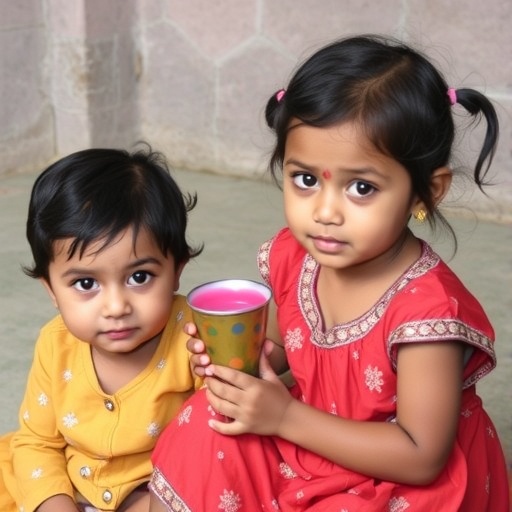
In recent years, considerable attention has been directed towards understanding the complex interplay of various bioecological factors that contribute to the developmental trajectories of preschool children. A groundbreaking study conducted by Yogi and Devkota has shed light on these dynamics, specifically focusing on the unique context of Birendranagar Municipality in Nepal. Their research reveals how local environmental conditions, socio-cultural factors, and even economic status intertwine to influence early childhood development, a crucial phase that lays the foundation for lifelong learning and well-being.
One of the pivotal aspects highlighted in the research is the significant impact of environmental conditions on preschool development. In many regions, including Birendranagar, children are exposed to a myriad of ecological factors such as air quality, water sources, and the availability of green spaces. The study outlines how these elements affect not just physical health but also cognitive and emotional development. For instance, children raised in areas with clean air and minimal pollution show enhanced cognitive function compared to those in polluted environments.
In addition to environmental parameters, the socio-economic status of families plays a vital role in shaping early childhood experiences. Economic constraints can limit access to essential resources, such as nutritious food, educational materials, and healthcare. The researchers noted that families with lower income levels often struggle to provide a stimulating environment that is crucial for cognitive development. This disparity reveals a stark gap in developmental opportunities that can perpetuate cycles of poverty and disadvantage.
Moreover, cultural beliefs and practices significantly influence child-rearing practices in Birendranagar Municipality. The study found that traditional customs related to education and child nurturing vary widely, affecting children’s early learning experiences. For instance, children who grow up in families that value education and provide encouragement in learning activities tend to perform better in preschool settings. This finding emphasizes the importance of integrating cultural sensitivity into educational programs and policies aimed at promoting early childhood development.
Another crucial factor the researchers examined was the role of community support systems. The presence of supportive networks—be it extended family, community organizations, or local schools—has a profound impact on child development. In Birendranagar, collaborative efforts among parents, teachers, and community leaders to foster an environment conducive to learning can significantly enhance educational outcomes. These ecosystems of support not only benefit children but also empower families through shared knowledge and resources.
The significance of maternal education was also addressed in the study. It highlighted a direct correlation between the educational level of mothers and the developmental milestones achieved by their children. Educated mothers are more likely to engage in activities that promote cognitive development, such as reading and interactive play, which are critical during the preschool years. This insight highlights the need for targeted interventions aimed at improving women’s access to education and information.
Another intriguing angle that emerged from this research is the influence of technology on preschool development. While technology has the potential to enhance educational experiences, the study pointed out the challenges of digital divide, where access to technological resources is inequitable. In areas like Birendranagar, limited access to educational technologies can hinder a child’s learning opportunities compared to their counterparts in more urbanized regions.
Examining early childhood nutritional practices, the study revealed alarming statistics regarding malnutrition in children within the area. The insufficiency of essential nutrients can have detrimental effects on a child’s growth and cognitive abilities. The researchers underscore the importance of nutritional interventions that not only target food availability but also educate families about the significance of a balanced diet in promoting optimal development.
Health care accessibility, another critical factor investigated in this study, correlates directly with developmental outcomes. In Birendranagar, many families face barriers in accessing healthcare services, leading to untreated health issues that can impede children’s learning and growth. By improving healthcare infrastructure and providing accessible health education, the potential for fostering a healthier generation can be significantly elevated.
Furthermore, the findings of this research emphasize the importance of early interventions for children at risk. Early detection of developmental delays and timely intervention can lead to improved educational trajectories. The authors advocate for policies that prioritize screening and support services for children in underserved communities, ensuring no child is left behind due to their socio-economic status or geographic location.
The methodology employed in this study was rigorous and multifaceted, integrating qualitative and quantitative data to paint a comprehensive picture of the childhood developmental context in Birendranagar. Through surveys, interviews, and observational studies, Yogi and Devkota meticulously gathered insights that reveal the nuanced relationships between bioecological factors and child development outcomes.
In conclusion, the revealing insights gained from the study by Yogi and Devkota underscore the critical need for a holistic approach to early childhood development. By recognizing the intricate web of bioecological influences, stakeholders—from government policymakers to community leaders—can devise more effective strategies that foster an environment conducive to the healthy development of preschool children. This research not only sheds light on the unique context of Birendranagar Municipality but also resonates with global discussions around early childhood development, making a compelling case for continued research and action.
As we look towards the future, it is imperative that we consider the findings from this study as foundational evidence urging for integrated policies that encompass health, education, and community support. The growing body of research in this area can lead to transformative changes, ensuring that every child receives the nurturing and supportive environment they need to thrive from their earliest years.
Subject of Research:
Article Title:
Article References:
Yogi, B.N., Devkota, B. Bioecological Factors Associated with the Development of Preschool Children: The Case of Birendranagar Municipality of Nepal. IJEC (2026). https://doi.org/10.1007/s13158-025-00480-y
Image Credits: AI Generated
DOI: https://doi.org/10.1007/s13158-025-00480-y
Keywords:


