

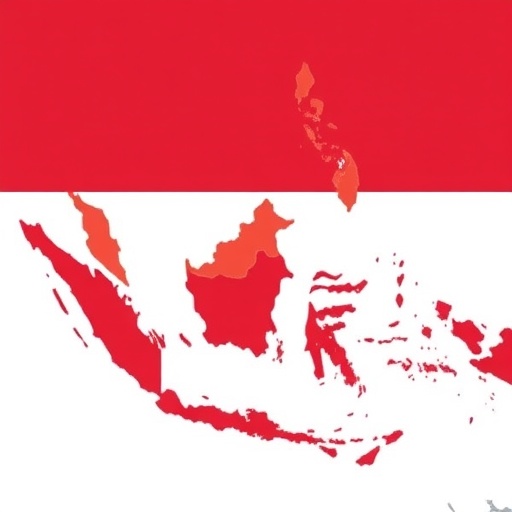
In recent years, the landscape of global health insurance systems has undergone a significant transformation, catalyzed by the evolving needs of populations and the urgent demands for efficient healthcare delivery. Among these changes, Indonesia’s National Health Insurance scheme has become a focal point for analysis, serving as a valuable case study for health policy analysts and researchers alike. The longitudinal sample data from 2015 to 2020 offers profound insight into the dynamics of health services accessibility, utilization, and outcomes in Indonesia. This data is pivotal, not only for understanding the direct implications for Indonesian citizens but also for informing global health policy strategies in similar developing contexts.
The Indonesian National Health Insurance scheme, known as Jaminan Kesehatan Nasional (JKN), was established with the goal of ensuring universal health coverage for its population. The introduction of this scheme marked a significant shift in public health policy, as it recognized the inherent right of all citizens to access healthcare services without suffering financial hardship. This systemic change provides an invaluable platform for analyzing how health policies can be designed and implemented to overcome barriers to healthcare access and improve health outcomes across diverse populations.
Examining the longitudinal data collected over five years reveals critical trends and patterns that have emerged in the utilization of health services. Researchers identified variations in service use among different demographics, particularly in relation to socioeconomic status, geographic location, and health needs. These observations imply that the insurance scheme’s effectiveness may not be uniformly experienced across the population, thereby stressing the need for targeted interventions that address existing disparities.
Moreover, the impact of the COVID-19 pandemic on health services utilization cannot be understated. Preliminary analyses from the longitudinal data suggest a marked reluctance among individuals to seek necessary medical care during the height of the pandemic, driven by fear of virus transmission and a lack of awareness regarding safety protocols in healthcare settings. This has critical implications for health policy, emphasizing the need for robust communication strategies to inform the public about safe health practices during crises.
Furthermore, the longitudinal sample data aids in uncovering the complexities surrounding healthcare financing under the JKN scheme. Researchers have pointed out the financial sustainability of the insurance provisions, particularly in light of the increasing demand for medical services and the rising costs of healthcare. Understanding these economic dynamics is crucial for policymakers tasked with ensuring that the health insurance program remains viable and can adapt to future challenges, including demographic shifts and emerging health threats.
In assessing the long-term outcomes associated with the JKN scheme, health policy analysts have noted improvements in certain health metrics, such as maternal and child health. However, disparities still persist, indicating that while progress has been made, more comprehensive approaches are needed to provide equitable health outcomes for all Indonesian citizens. The analysis of such outcomes is not merely academic; they have far-reaching implications for the design of future health interventions and the allocation of resources.
The potential uses of the longitudinal data extend beyond immediate policy adjustments. Researchers have emphasized its importance for forecasting future health trends and shaping proactive health policy initiatives. By utilizing advanced statistical modeling approaches, health analysts can predict how changes in the health insurance scheme may affect service load, financial sustainability, and consequently, overall public health within Indonesia.
Additionally, as the world grapples with climate change and its effects on health, the JKN data provides a unique opportunity to explore the intersection of environmental challenges and health policy. For instance, policymakers can leverage these datasets to identify populations that are particularly vulnerable to climate-related health risks and develop tailored interventions to mitigate these impacts.
The critical role of digital health records and technology in facilitating the collection of this longitudinal data cannot be overlooked. The digitalization of healthcare records has significantly enhanced the accuracy and efficiency of data gathering, enabling health analysts to access reliable information that reflects real-time health service utilization patterns. This presents a model for other low-to-middle-income countries aiming to strengthen their health information systems.
As researchers continue to sift through the wealth of information contained within the longitudinal dataset, the importance of collaborative efforts among various stakeholders becomes apparent. Universities, government agencies, and private sector partnerships play a pivotal role in ensuring that the insights gained from this data translate into actionable policy changes that benefit the broader population. Collective engagement ensures a holistic approach to problem-solving within the healthcare landscape.
Cutting-edge findings from the JKN data are expected to spark further interest in health policy research, highlighting the need for continuously funded studies that can expand knowledge beyond Indonesian borders. The significance of this dataset extends far beyond its immediate context; it serves as a beacon of hope for other nations striving for equitable healthcare access and achieving universal health coverage goals.
Moreover, the potential for scholarly collaboration around the findings and implications of the Indonesian National Health Insurance scheme resonates on a global scale. By sharing knowledge and insights, researchers can foster a robust dialogue about best practices, barriers, and solutions pertinent to universal health coverage across different settings. Such collaborations could notably enhance the credibility and impact of health policy research on an international platform.
In conclusion, the exploration of Indonesia’s National Health Insurance scheme through longitudinal data represents an invaluable opportunity for health policy analysis. As researchers and policymakers continue to unpack the complexities contained within the dataset, they pave the way for informed decision-making that can ultimately lead to healthier populations and a more equitable healthcare system. The insights garnered hold the promise of shaping the future of health policy not only in Indonesia but across the globe, creating a sustainable model for health systems improvement in developing nations.
Subject of Research: Indonesian National Health Insurance Scheme
Article Title: Indonesian National Health Insurance scheme longitudinal sample data 2015–2020: overview and potential uses for health policy analysis
Article References:
Fatimah, A., Anselmi, L., Gibson, J. et al. Indonesian National Health Insurance scheme longitudinal sample data 2015–2020: overview and potential uses for health policy analysis.
BMC Health Serv Res 25, 1593 (2025). https://doi.org/10.1186/s12913-025-13756-9
Image Credits: AI Generated
DOI: https://doi.org/10.1186/s12913-025-13756-9
Keywords: Indonesian National Health Insurance, health policy analysis, universal health coverage, longitudinal data, public health outcomes, health service utilization.


