

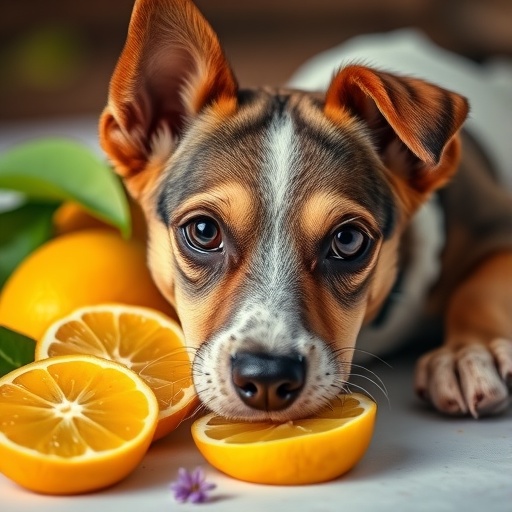
In a remarkable scientific exploration, recent research has shed light on the therapeutic potential of Citrus aurantium peel extract, particularly against the challenging canine parasite Mesostephanus. This study, published in the prestigious journal Environmental Science and Pollution Research, underscores the relevance of natural extracts in addressing zoonotic diseases, a growing concern within veterinary medicine and public health. Detailing in vivo safety assessments, the research findings advocate for the peel extract’s safety and efficacy, opening new avenues for treatment options in canines afflicted by parasitic infections.
Citrus aurantium, commonly known as bitter orange, has long been admired for its diverse applications in traditional medicine, spanning across various cultures. The peel of this fruit, often discarded in commercial processes, has been identified as a rich source of bioactive compounds. These phytochemicals, including flavonoids, alkaloids, and essential oils, are known for their antioxidant, anti-inflammatory, and antimicrobial properties. Researchers have increasingly sought to leverage these properties to develop alternative therapies for several health conditions, including parasitic infections in animals.
The study focused on Mesostephanus, a parasite that poses significant risks to canine health. This organism can lead to severe gastrointestinal disturbances, among other health complications, making it critical to explore effective treatment avenues. The researchers sought to ascertain whether the peel extract from Citrus aurantium could serve as a viable therapeutic option. Through extensive experimentation, the team assessed both the safety and potential efficacy of the extract, seeking to substantiate its therapeutic claims within the veterinary field.
Safety assessments are paramount when considering any new treatment modality, particularly those derived from natural sources. This study meticulously evaluated the toxicity profiles of Citrus aurantium peel extract through various in vivo tests. The ability to utilize natural compounds without posing additional risks to canine patients was a focal point of the research, ultimately leading to optimistic conclusions regarding its safety for use in affected animals.
The experimental methodology employed in the study was robust, employing control and treatment groups to monitor varying doses of the peel extract in canines. Researchers carefully documented the physical and behavioral responses of the subjects, ensuring a comprehensive understanding of the extract’s impact. The analysis aimed to determine the ideal dosage that would maximize therapeutic benefits while minimizing any adverse effects.
Interestingly, the results indicated that the Citrus aurantium peel extract not only demonstrated safety but also showed promising therapeutic effects against the Mesostephanus infection. Significant reductions in parasite load were observed in treated canines, suggesting that the extract possesses a degree of anthelmintic properties. This finding is particularly significant given the rising concerns surrounding antibiotic resistance and the need for alternative treatment modalities in veterinary medicine.
The implications of this research extend beyond the immediate context of canine health. The exploration of Citrus aurantium as a potential therapeutic agent invites further investigation into its application for other zoonotic infections. As veterinarians and pet owners grapple with the prevalence of parasitic diseases, the emergence of natural remedies could revolutionize treatment approaches, promoting a shift towards more holistic care methodologies.
Additionally, the findings from this study may encourage further exploration into other citrus peels or botanical extracts that harbor similar beneficial properties. The rich tapestry of medicinal plants presents a vast, largely untapped reservoir for potential treatments in both animal and human health. As researchers calibrate their focus towards these areas, exciting advancements and innovations are likely to emerge, underscoring the continuing importance of plant-based therapies in contemporary medicine.
In conclusion, the study authored by Abd-Elaziz, Abouelhassan, Elkhawass, and colleagues marks a significant contribution to the field of veterinary parasitology. The demonstrated safety and therapeutic efficacy of Citrus aurantium peel extract against Mesostephanus in canines pave the way for future research opportunities and clinical applications. As the scientific community increasingly embraces a paradigm shift towards integrative medicine, studies like this one highlight the essential role of natural products in developing innovative treatment strategies.
As the world progresses towards developing more sustainable and effective solutions for health challenges, the insights gleaned from this research not only reinforce the therapeutic promise of Citrus aurantium but also activate a broader dialogue regarding the importance of biodiversity in health science. With continued advocacy and investigation, the future of canine health management may well incorporate traditional remedies into standard veterinary practices, enhancing the quality of life for our beloved pets.
Emerging trends in translational medicine could embrace findings from studies like that of Citrus aurantium, merging traditional knowledge with modern scientific rigor. This synergistic approach could potentially yield novel therapies that respond effectively to urgent public health issues, thus elevating the significance of research at the intersection of traditional and contemporary medical practices.
Moreover, as global health challenges expand, prompted by climate change and increasing zoonotic disease occurrences, such research will play a pivotal role in informing public health strategies. The findings could contribute valuable insights into the protective role of natural products in combatting emerging infectious diseases, emphasizing the need for a comprehensive understanding of the ecological relationships between hosts and parasites.
By integrating rigorous scientific inquiry with community wisdom regarding traditional medicinal practices, future researchers will have the tools necessary for exploring the full spectrum of therapeutic benefits that nature provides. Thus, the study of Citrus aurantium peel extract is not merely about addressing a particular infection but is emblematic of a larger movement towards sustainability and wellness in both veterinary and human health domains.
As we process this study’s implications and consider the broader narratives it evokes, it becomes clear that the exploration of natural remedies, particularly those rooted in traditional practices, can significantly transform our understanding and approach to treatment in contemporary medical landscapes.
In closing, from candid examinations of safety assessments to promising efficacy results, the research surrounding the therapeutic potential of Citrus aurantium unveils a hopeful narrative in the quest for innovative health solutions. The future of veterinary medicine may indeed bloom from the very practices interwoven into the heritage of humankind—a restoration of balance between nature and science.
Subject of Research: Therapeutic potential of Citrus aurantium peel extract against canine Mesostephanus infection
Article Title: Therapeutic potential of Citrus aurantium peel extract against canine Mesostephanus infection: in vivo safety assessment
Article References:
Abd-Elaziz, A.A., Abouelhassan, E.M., Elkhawass, E.A. et al. Therapeutic potential of Citrus aurantium peel extract against canine Mesostephanus infection: in vivo safety assessment.
Environ Sci Pollut Res (2026). https://doi.org/10.1007/s11356-026-37391-x
Image Credits: AI Generated
DOI: https://doi.org/10.1007/s11356-026-37391-x
Keywords: Citrus aurantium, Mesostephanus, canine health, natural remedies, veterinary medicine, in vivo safety assessment


