

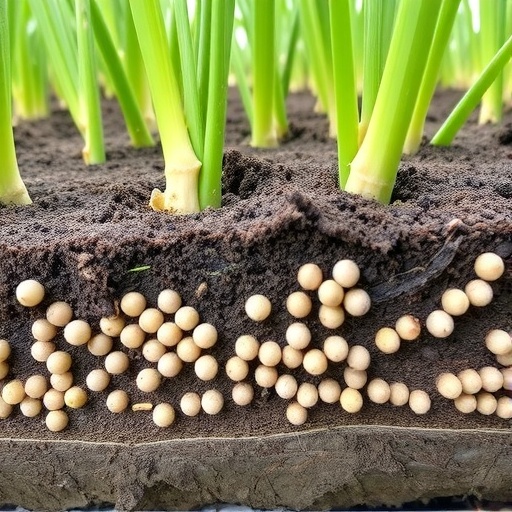
A groundbreaking study conducted by a team of researchers led by L.R.A. Krishnan has unveiled the intricate dynamics of bacterial diversity within the rice rhizosphere of the uniquely rich Kole lands in Thrissur, India. Utilizing advanced metagenomics techniques, the researchers have provided an unprecedented look into the microbial ecosystem that plays a vital role in rice cultivation. This research goes beyond traditional understanding, offering insights that could potentially transform agricultural practices in rice-growing regions.
The methodology employed in this study centers around metagenomic analysis, which allows for the assessment of genetic material recovered directly from environmental samples. This approach not only deciphers the existing bacterial tapestry but also identifies functional pathways relevant to nutrient cycling and disease resistance within the rice plants. Metagenomics has revolutionized our comprehension of microbial communities, as it circumvents the need for isolating microorganisms in a culture, a challenging endeavor given the diversity of bacterial species present.
The Kole lands, known for their unique ecosystems, are situated in the heart of Kerala, where rice cultivation is not just a source of livelihood but also an integral part of local culture. The diverse plant and animal life in these wetlands make them a hotspot for microbial activity. In this study, Krishnan and his team meticulously collected soil samples from various rice fields to capture the full range of bacterial diversity, providing a snapshot of the ecological interactions that sustain rice crops in this region.
The findings from the research reveal that the bacterial communities in the rice rhizosphere are incredibly diverse, comprising various phyla including Proteobacteria, Firmicutes, and Bacteroidetes, among others. Each of these bacterial groups plays a specific role in promoting plant health, enhancing soil fertility, and aiding in the biodeterioration of organic matter. This intricate web of interactions demonstrates how microorganisms can foster better growth conditions for rice, potentially leading to increased yields.
One of the standout features of this research is the identification of several novel bacterial strains that have not previously been documented in similar ecosystems. These strains exhibit unique metabolic capabilities that might help rice plants fend off pathogens and utilize nutrients more efficiently. By characterizing these bacteria, researchers hope to develop biofertilizers and biopesticides that are eco-friendly and sustainable, thereby reducing reliance on chemical inputs in agriculture.
Moreover, the ecological implications of bacterial diversity in the rhizosphere extend far beyond agriculture. The relationships between plants and their associated microbes influence soil health and ecosystem sustainability. Understanding these interactions can inform conservation efforts and help in the restoration of degraded land, ensuring that the agricultural practices do not compromise the integrity of natural ecosystems.
As climate change continues to pose challenges to agricultural productivity, enhancing our understanding of microbial diversity could empower farmers to adopt more resilient practices. Insights gained from the metagenomic analysis could lead to tailored cropping strategies that optimize beneficial microbial relationships, ensuring food security even in the face of adverse climatic conditions.
The research also emphasizes the importance of preserving traditional agricultural practices that leverage local microbial knowledge. By integrating science with indigenous knowledge, farmers can harness the benefits of both worlds, creating a sustainable agricultural framework that respects biodiversity while enhancing productivity.
The study’s implications reach into policy realms as well. Agricultural policies can be reformed to embrace metagenomic research, thus, fostering innovation in microbial applications that promote sustainable practices. By supporting research in microbial ecology and protecting local ecosystems, governments could help ensure food security and economic stability for millions dependent on rice cultivation.
As interest in the role of microbiomes grows, the findings from this investigation contribute significantly to the global discourse on sustainable agriculture. The work of Krishnan and his team exemplifies the potential of cutting-edge science to unlock new pathways to sustainable food production. As more researchers adopt metagenomic techniques in agricultural studies, we can expect a transformative shift in our understanding of soil health and crop productivity.
In summary, the information gathered from the rice rhizosphere of Kole lands could lead to significant advancements in agricultural science. With the prospect of increasing microbial diversity for healthier crops, future research endeavors will undoubtedly build upon these foundational findings, pushing the boundaries of what is possible in sustainable agriculture practices.
The meticulous work undertaken by Krishnan and his colleagues not only adds to our scientific knowledge but also serves as a call to action. As we further explore and respect the invisible world of microbes, we stand on the brink of revolutionary changes in how we approach farming and the stewardship of our environment.
This study is a beacon of hope in a rapidly changing world, where the fusion of technology, microbiology, and traditional practices could pave the way for a more sustainable and fruitful future in agriculture. As the implications of this research ripple through the scientific community and the agricultural sector, one cannot help but anticipate the new horizons that await the merging of these vital disciplines in the quest for global food security.
Subject of Research: Bacterial diversity in the rice rhizosphere of Kole lands.
Article Title: Unravelling the complex bacterial diversity in the rice rhizosphere of Kole lands of Thrissur through the metagenomics approach.
Article References: Krishnan, L.R.A., Nair, S., Girija, D. et al. Unravelling the complex bacterial diversity in the rice rhizosphere of Kole lands of Thrissur through the metagenomics approach. 3 Biotech 16, 27 (2026). https://doi.org/10.1007/s13205-025-04630-w
Image Credits: AI Generated
DOI: https://doi.org/10.1007/s13205-025-04630-w
Keywords: Rice, Bacterial Diversity, Metagenomics, Agriculture, Ecosystems, Sustainable Practices.


