

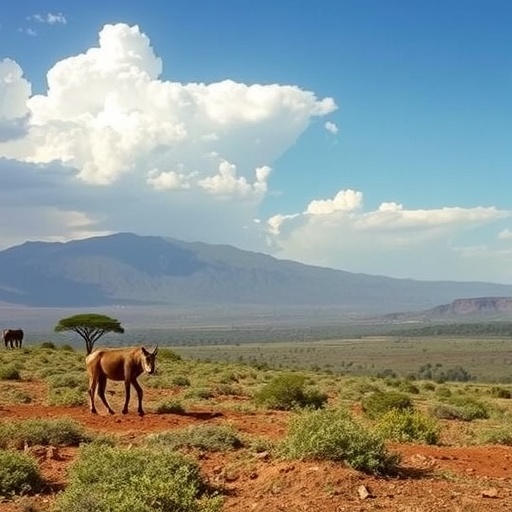
In the remote landscapes of North-eastern Ethiopia, a significant ecological evaluation has recently come to light, with potential far-reaching implications for wildlife conservation and land management. A study conducted by researchers Feleke, Assefa, and Genete examined the various threats facing wildlife populations as well as the profound changes in land use within protected areas of this diverse region. This intricate investigation combines on-ground assessments with ecological modeling techniques to create a comprehensive overview of the current environmental challenges experienced in these vital ecosystems.
The study takes place against a backdrop of increasing concerns about biodiversity loss globally. In areas where wildlife is protected, there are significant pressures posed by human encroachment, agricultural expansion, and climate change. This research endeavors to illuminate these stressors, mapping their effects on local species and plant communities. The findings highlight not only the wildlife at risk but also the interconnectedness of these species with the broader landscapes they inhabit.
As researchers delved into this undertaking, they employed a multi-faceted approach, incorporating both qualitative and quantitative methodologies. Field surveys were pivotal, allowing researchers to gather firsthand data on wildlife populations, habitat conditions, and signs of human activity. This empirical data was complemented by satellite imagery analysis to track changes in land use over time. Ultimately, the combination of these methods paints a vivid picture of an ecosystem in transition, underlining the urgent need for strategic interventions.
One of the most striking revelations of the study is the alarming rate at which land is being converted for agricultural purposes within protected areas. The encroachment poses a dual threat to wildlife: directly through habitat loss and indirectly by disrupting ecological processes that sustain various species. As pastoral and agricultural communities grow, competition between humans and wildlife intensifies, leading to increased conflicts. This situation raises ethical questions about the extent to which natural landscapes should be preserved or altered for human development.
In addition to agricultural pressures, the research identifies poaching as a key threat to wildlife in the region. Despite the enforcement of protections, the study underscores how economic factors often drive local communities to exploit wildlife resources. The financial incentives of poaching can outweigh the disadvantages faced by local populations, creating a cycle of exploitation that hampers conservation efforts. The authors suggest innovative solutions, including community-based conservation initiatives that align local economic interests with wildlife protection.
The repercussions of land use change extend beyond immediate threats to wildlife. The study brings to light the potential long-term consequences for ecosystem functions, including nutrient cycling, water regulation, and carbon storage. As certain areas are transformed into agricultural lands, there is a notable decline in biodiversity, which in turn affects the resilience of these systems to environmental shifts, such as climate change. This interconnectedness implies that conservation strategies should not only focus on species protection but also on the preservation of ecosystem health.
In response to these findings, the authors call for a multifaceted conservation strategy that involves habitat restoration, community engagement, and sustainable land management practices. They emphasize the importance of integrating scientific research with traditional ecological knowledge. Local communities possess invaluable insights into the ecology of their environments, and their participation in conservation efforts can lead to more effective and enduring outcomes.
Technological advances also play a critical role in enhancing conservation efforts. The research points out the potential of employing drones for monitoring changes in land use and wildlife populations, providing real-time data that can inform conservation strategies. Additionally, leveraging mobile applications could facilitate community reporting of wildlife sightings or threats, creating a collaborative approach to monitoring and protecting biodiversity.
Moreover, the implications for policy are profound. The researchers argue that policymakers must prioritize sustainable land-use planning that balances human development with ecological preservation. Implementing restrictive measures on agricultural expansion within protected areas could help safeguard critical habitats while permitting responsible community practices outside these zones. This harmonization of development needs and conservation priorities may offer a sustainable path forward.
As these findings continue to generate interest within the scientific community, they underscore the necessity for ongoing research into both the ecological dynamics of North-eastern Ethiopia and the socio-economic drivers at play. Such comprehensive studies are crucial in tailoring conservation interventions that are not only effective but also equitable, ensuring all stakeholders benefit from the protection of natural resources.
In conclusion, the intricate relationship between land use changes and wildlife threats in North-eastern Ethiopia unveils a complex narrative of ecological and human interactions. This research not only contributes to our understanding of these dynamics but also voices a call to action, urging stakeholders to prioritize conservation efforts in light of the monumental challenges threatened ecosystems face today.
The weight of Feleke, Assefa, and Genete’s research highlights an urgent narrative, informing the global discourse on biodiversity and the importance of integrating conservation with community livelihoods. As the pressures on natural landscapes become ever more pronounced, the collaboration of science, policy, and community engagement will prove crucial in safeguarding our planet’s irreplaceable wildlife.
Ultimately, the fate of these protected areas, and the wildlife they harbor, hinges upon our collective actions today. The road ahead is fraught with challenges, but with informed strategies and a united front, it remains integral to pursue a future where both human and natural communities thrive harmoniously.
Subject of Research: Wildlife threats and land use changes in protected areas of North-eastern Ethiopia
Article Title: Assessing wildlife threats and land use changes in protected areas of North-eastern Ethiopia
Article References:
Feleke, E., Assefa, E. & Genete, M. Assessing wildlife threats and land use changes in protected areas of North-eastern Ethiopia.
Discov Agric 4, 36 (2026). https://doi.org/10.1007/s44279-025-00395-1
Image Credits: AI Generated
DOI: https://doi.org/10.1007/s44279-025-00395-1
Keywords: wildlife conservation, land use change, ecological assessment, biodiversity loss, community engagement, sustainable development


