

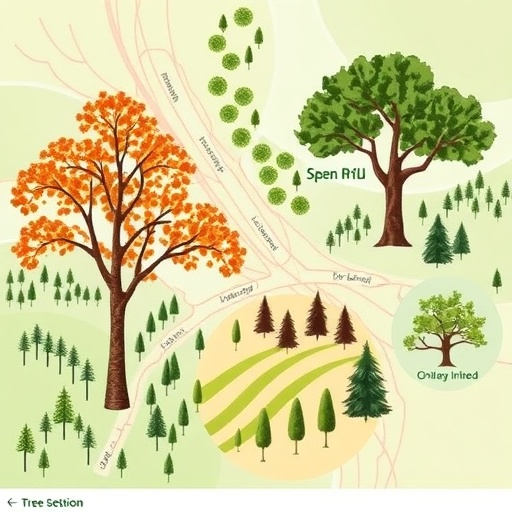
In the intricate tapestry of ecological restoration, tree species diversity and carbon stocks emerge as pivotal elements resulting from systematic evaluations. The recent study conducted by Amudavi, Ndiritu, and Kinyanjui sheds light on the performance of restored landscapes within the unique ecological framework of selected forest types in Kenya. The researchers delve into how diverse tree species contribute to carbon sequestration and overall ecosystem health, fostering an enriching environment that supports both biodiversity and climate change mitigation.
In the context of ecological restoration, tree species diversity embodies more than just an array of flora; it signifies a robust web of interactions between species, soil health, and climatic conditions. The study emphasizes that a diverse selection of native tree species far surpasses monoculture plantations. Native species provide essential habitats for various fauna while optimally engaging the soil’s nutrient cycles. This interconnectedness leads to increased resilience against pests, diseases, and the impacts of climate change.
The researchers focused on multiple forest environments, highlighting that particular forest types exhibit unique characteristics influencing tree diversity and subsequent carbon stocks. For instance, montane forests, characterized by high moisture levels, tend to support myriad tree species. This biome acts as a high-capacity carbon sink, capturing substantial quantities of carbon dioxide. Conversely, lowland forests, although rich in tropical diversity, face threats from agricultural encroachment, making their preservation vital.
A critical aspect of the study is the quantification of carbon stocks in relation to tree species diversity. The researchers utilized rigorous methodologies including Remote Sensing Technologies, soil sampling, and biomass assessments to accurately gauge the carbon sequestered within these restored landscapes. This comprehensive approach ensures that findings represent a true reflection of the ecological state while aiding policymakers in formulating strategies for carbon management and climate action.
The introduction of dendrometric methods to determine tree volume and biomass contributes to a deeper understanding of carbon dynamics within forest ecosystems. Employing allometric equations, a correlation can be drawn between tree dimensions and their respective carbon stocks. This relationship underscores the relationship between larger, older trees and their capacity for carbon storage, pointing out the importance of conserving mature tree populations in restoration efforts.
Moreover, monitoring and evaluating tree species diversity in restored landscapes serve a dual purpose: it not only highlights species that thrive under specific conditions but also offers insights into those that may require additional support, such as protection from invasive species. By maintaining a balance of species diversity, we can create landscapes resilient to anthropogenic pressures and climate variability, ultimately aiding in long-term ecological sustainability.
While the restoration of landscapes faces numerous challenges, the findings from this study provide hope and direction for future efforts. It serves as a clarion call to action for policymakers and conservationists alike, emphasizing that distinctive ecosystems must be approached with tailored strategies rather than one-size-fits-all solutions. By promoting the planting and preservation of native tree species, we can enhance the success of restoration projects while fostering a biodiverse environment.
Education and community engagement play indispensable roles in the restoration process. Involving local communities not only aids in the selection of appropriate tree species but also ensures that restoration initiatives are culturally relevant and economically viable. Participatory approaches empower communities, leading to the cultivation of stewards who are vested in the health and longevity of their natural resources. Their engagement is not merely beneficial; it is integral to the sustained success of ecological restoration projects.
In conclusion, the study by Amudavi and colleagues contributes significantly to the understanding of interactions between tree species diversity and carbon stocks within restored Kenyan landscapes. Highlighting the importance of ecological specificity, the research underscores the need for nuanced restoration strategies that consider the unique characteristics of individual forest types. As the world grapples with climate change and biodiversity loss, such comprehensive studies provide a blueprint for restoring our planet’s cherished ecosystems.
The findings from this research hold vital implications for broader ecological restoration and climate change mitigation efforts globally. They remind us that restoring landscapes is not just about replanting trees; it is a multidimensional approach that requires understanding relationships between species, their roles in carbon capture, and their effects on ecosystem resilience. Indeed, the key to a healthier planet lies in the intricate web of life that trees facilitate. Thus, restorative actions should be rooted in knowledge, informed practices, and a profound respect for nature’s complex systems.
Every restored landscape presents a unique opportunity to increase biodiversity, enhance carbon stocks, and combat climate change while reengaging communities. It is crucial to ensure that such opportunities are recognized and utilized effectively. Research such as this illuminates paths forward, offering a measured approach to nurturing our planet’s forests as vital resources in the face of ongoing environmental challenges.
Through collaborative efforts, informed by studies like the one conducted by Amudavi et al., we can build a more sustainable future. One where restored landscapes flourish not only for their inherent beauty but also for their invaluable contributions to biodiversity, climate action, and overall ecological integrity.
Subject of Research: Tree species diversity and carbon stocks in restored landscapes of Kenya.
Article Title: Assessing the performance of restored landscapes using tree species diversity and carbon stocks in selected forest types of Kenya.
Article References: Amudavi, C., Ndiritu, G.G. & Kinyanjui, M. Assessing the performance of restored landscapes using tree species diversity and carbon stocks in selected forest types of Kenya. Discov. For. 2, 7 (2026). https://doi.org/10.1007/s44415-025-00063-8
Image Credits: AI Generated
DOI: https://doi.org/10.1007/s44415-025-00063-8
Keywords: tree species diversity, carbon stocks, restored landscapes, ecological restoration, Kenya, biodiversity, climate change mitigation.


