

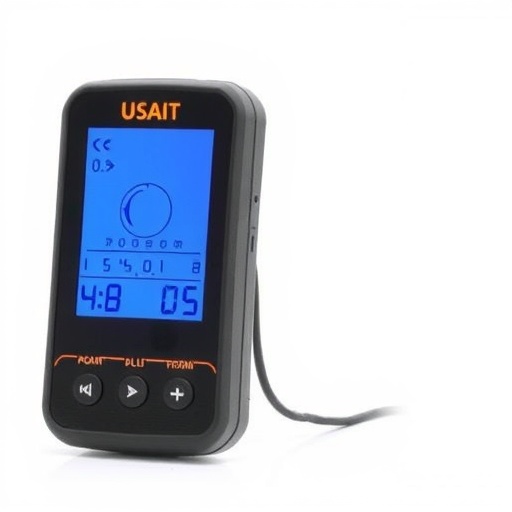
In recent years, the struggle against air pollution has gained significant momentum, particularly given its dire implications for public health. A recent study led by Stowe, Bohra, and Vilcassim has embarked on a notable journey to assess the potential of a low-cost air pollution monitoring device. This exploration is not just an academic endeavor; it represents a critical step towards democratizing air quality monitoring, making it accessible for both environmental and occupational assessments in regions where resources remain limited.
The impetus behind this research arises from the increasing recognition that air pollution is, indeed, a silent killer. It contributes to numerous health complications, including respiratory diseases, cardiovascular issues, and even premature mortality. Despite this awareness, conventional air quality monitoring systems often prove to be prohibitively expensive and complex, resulting in vast areas—particularly in developing countries—lacking sufficient data to inform policy or public action. This study aims to fill that gap by evaluating a user-friendly, cost-effective device designed to measure air pollutants.
The device at the heart of this study showcases innovative engineering, integrating cutting-edge sensor technologies that offer real-time data on various pollutants. These include particulate matter (PM), volatile organic compounds (VOCs), and nitrogen dioxide (NO2), all known to have adverse health effects. By utilizing such technology, the researchers hope to challenge the notion that accurate air quality data is only attainable through expensive, high-tech equipment.
One central aspect of this research is its focus on validation. For any monitoring device, especially those aiming to replace traditional methods, robustness and reliability are paramount. Stowe and colleagues meticulously compared readings from their low-cost device against established air quality monitoring stations. This thorough verification process ensures that the new device not only provides data but does so with commendable accuracy. Such integrity in data collection is crucial, as stakeholders—including policymakers, health officials, and the general public—depend on these insights to form their understanding of air quality.
Another significant takeaway from the research is the device’s application versatility. While primarily designed for environmental assessments, the authors emphasize its potential for occupational settings. Workers in industries such as construction, manufacturing, and agriculture often face heightened exposure to harmful air pollutants. Providing such sectors with affordable and precise monitoring tools could enable proactive health measures, protecting laborers who are otherwise at risk of chronic health consequences.
Moreover, the study delved into the usability of the device, ensuring that it is not only effective but also easy to use. User interface design is a critical element, as the target demographic ranges from scientific researchers to everyday citizens keen on understanding their local air quality. This user-centric approach underscores the research team’s commitment to fostering community engagement around air quality issues, effectively bridging a gap between data and public awareness.
The implications of Stowe, Bohra, and Vilcassim’s findings are far-reaching. If widely adopted, this technology could usher in a new era of community-led air quality monitoring, where everyday individuals can contribute to data collection efforts. Such collective engagement could empower communities, fostering a culture of environmental stewardship and awareness. Communities would be able to monitor their own environments, advocating for change based on real-time data.
Furthermore, the research underscores a critical insight: there is an urgent need for enhanced support and investment in air quality initiatives, especially in under-resourced areas. By demonstrating the viability of economical monitoring solutions, the authors advocate for a paradigm shift, encouraging governmental and non-governmental organizations to reconsider funding strategies that promote wider availability of such devices.
In their analysis, the authors don’t shy away from addressing potential limitations. While the device shows promise, factors like calibration, environmental influences, and user adherence to monitoring protocols must be considered. Future iterations of the device will need to account for these variables, ensuring continued accuracy and reliability.
As the study unfolds, it also challenges the academic community to move beyond mere observation and engage in actionable insights regarding air pollution mitigation. The research encourages interdisciplinary collaboration, drawing in expertise from environmental science, public health, engineering, and policy realms. If universities and research institutions prioritize practical, community-oriented solutions, the potential for tangible change in air quality monitoring and management could be profound.
The researchers made it clear that the fight against air pollution is a collective responsibility. By equipping everyday citizens with the tools to measure and understand their air quality, everyone has the potential to become advocates for cleaner air. Grassroots movements can emerge from data-driven insights, resulting in heightened demand for cleaner policies and practices at the municipal and national levels.
Thus, the findings of this study extend beyond scientific publication; they pave the way for a vibrant conversation around air quality, health, and community engagement. Importantly, the realization that accurate and actionable data can come from low-cost solutions could inspire further innovation within the field, ushering in a new wave of air quality monitoring technologies.
As the research is poised for publication, its impact is anticipated to reverberate throughout various sectors, emphasizing the critical nature of air quality awareness and the tools that empower change. This collective endeavor could elucidate a path forward, translating the complexities of monitoring air pollution into actionable strategies that ultimately safeguard public health.
Subject of Research: Efficacy of a low-cost air pollution monitoring device for environmental and occupational exposure assessments.
Article Title: Assessing the efficacy of a low-cost air pollution monitoring device for environmental and occupational exposure assessments.
Article References:
Stowe, S., Bohra, R. & Vilcassim, M.J.R. Assessing the efficacy of a low-cost air pollution monitoring device for environmental and occupational exposure assessments.
Environ Monit Assess 198, 40 (2026). https://doi.org/10.1007/s10661-025-14870-1
Image Credits: AI Generated
DOI: https://doi.org/10.1007/s10661-025-14870-1
Keywords: air pollution, monitoring device, environmental assessment, occupational exposure, public health, low-cost technology.


