

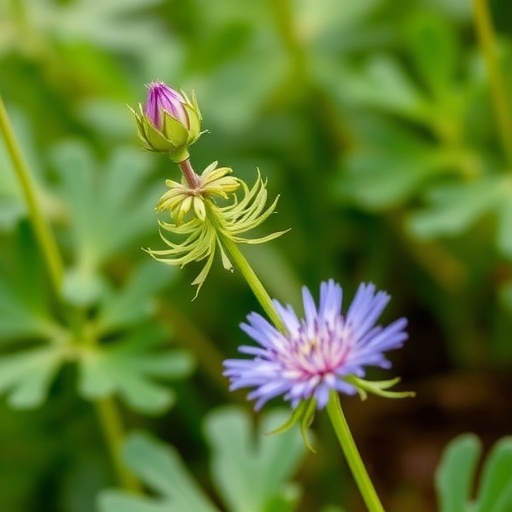
Recent research has brought to light the promising therapeutic potentials of an extract derived from Eryngium caucasicum, specifically in the context of type 2 diabetes management. This study, spearheaded by Ahmadsharbafi and colleagues, has focused on exploring how this plant extract could potentially modulate critical biological pathways that are pivotal in managing glucose metabolism and insulin sensitivity. The intricate relationship between herbal remedies and chronic diseases such as diabetes has always been a promising field of exploration but combining this with modern biochemical understanding brings an innovative approach to the table.
Type 2 diabetes, characterized by insulin resistance and relative insulin deficiency, poses significant health challenges and requires effective management strategies. The prevailing treatments often come with side effects that could deter patient compliance. This urgent need for novel, plant-based therapeutic options sets the stage for the investigation into Eryngium caucasicum. This specific plant, known in traditional medicine for its anti-diabetic properties, was subjected to rigorous scientific scrutiny.
The study employed Wistar rats as a model organism to replicate the type 2 diabetes condition. Such an animal model is not just practical but also allows researchers to observe the physiological changes that can mirror human pathology. The preliminary results indicated that the administration of Eryngium caucasicum extract manifests observable effects on blood glucose levels. This intriguing outcome hints at the potential ability of the extract to either enhance insulin sensitivity or increase insulin secretion.
Delving deeper into molecular interactions, the research highlights the modulation of the Wnt/β-catenin signaling pathway. This pathway is extensively documented for its role in glucose homeostasis and insulin signaling. A disruption in this pathway has been linked to various metabolic disorders, making it a prime target for therapeutic intervention. The extract from Eryngium caucasicum appears to exert a positive regulatory effect, suggesting a method by which it may contribute to improved metabolic function in diabetic subjects.
Moreover, the study’s findings extend to the insulin signaling pathway as well, reiterating the significance of Eryngium caucasicum in enhancing insulin action. Insulin performs a myriad of roles, from glucose uptake in muscle and fat tissues to inhibiting hepatic glucose production. If the plant extract stands validated through further studies, it could revolutionize how type 2 diabetes is approached, shifting the paradigm from synthetic medications to more holistic, nature-derived alternatives.
In addition to therapeutic efficacy, the safety profile of Eryngium caucasicum was also evaluated. As with any potential treatment, especially those derived from natural sources, understanding toxicity and side effects is crucial. The outcomes from the animal studies indicated a favorable safety profile, which is essential for building confidence among both clinicians and patients regarding the use of herbal extracts in managing chronic diseases.
These findings resonate well with the growing body of literature advocating for the integration of traditional medicine with modern pharmacological science. The effectiveness of herbal remedies in managing diseases is being increasingly acknowledged, and research like that conducted by Ahmadsharbafi et al. could pave the way for new treatment paradigms that prioritize natural interventions over pharmaceuticals.
Moreover, this research underscores the importance of plant biochemistry, demonstrating how phytonutrients in botanicals can play crucial roles in metabolic regulation. Scientists are excited to explore the specific compounds within Eryngium caucasicum responsible for these effects, as identifying active constituents will be pivotal for developing targeted therapies. This could lead to more refined formulations that maximize efficacy while minimizing potential adverse effects associated with broad-spectrum plant extracts.
As the investigation around Eryngium caucasicum unfolds, there is also significant interest in its potential contribution to global health challenges. In a world where diabetes is approaching epidemic levels, identifying accessible and cost-effective treatments is critical. Given Eryngium caucasicum‘s historical use and current therapeutic insights, it emerges as a candidate that could be cultivated and utilized in various settings, including developing regions where diabetes prevalence is surging.
The transformative potential of this research lies not just in the immediate findings but also in the bigger picture of how we view and value traditional knowledge. Practices rooted in thousands of years of natural remedies are finally being examined through a scientific lens, bridging the gap between antiquity and modernity. Acknowledging these connections can lead to more sustainable and culturally rooted approaches to health.
As more studies are conducted, the goal will be to transition from preclinical findings to comprehensive clinical trials involving human subjects. This transition is crucial for assessing the practical applications of Eryngium caucasicum in a clinical setting. Successful human trials could indeed open floodgates for herbal medicine acceptance in mainstream healthcare practices.
The ongoing research serves as a reminder of nature’s bounty and how it still holds vast potential in unveiling solutions to contemporary health problems. As scientists engage with traditional practices and scientific inquiry, we edge closer to deciphering the complex interplay of nature and health, heralding new treatments capable of redefining diabetic care significantly. Excitingly, this journey into the therapeutic world of Eryngium caucasicum signifies just one of the many frontiers in herbal medicine that await exploration.
In summary, the ongoing research underscores the promise that lies in Eryngium caucasicum extract, poised to transform the landscape of diabetes treatment through natural and scientifically backed interventions. As the scientific community continues to study and validate these developments, a new chapter in diabetes management may soon unfold, bringing hope to millions suffering globally.
Subject of Research: The therapeutic potential of Eryngium caucasicum extract in type 2 diabetes.
Article Title: Therapeutic potential of Eryngium caucasicum extract in type 2 diabetes: insights into Wnt/β-catenin and insulin pathway modulation in Wistar rats.
Article References: Ahmadsharbafi, M., Habibollahi, H. & Arasteh, A. Therapeutic potential of Eryngium caucasicum extract in type 2 diabetes: insights into Wnt/β-catenin and insulin pathway modulation in Wistar rats. 3 Biotech 16, 55 (2026). https://doi.org/10.1007/s13205-025-04676-w
Image Credits: AI Generated
DOI: https://doi.org/10.1007/s13205-025-04676-w
Keywords: Eryngium caucasicum, type 2 diabetes, herbal medicine, insulin signaling, Wnt/β-catenin pathway, therapeutic potential, natural remedies.


