

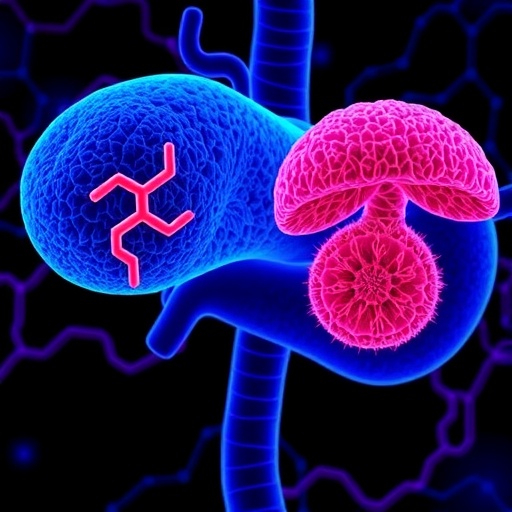
In a groundbreaking new study, researchers have unveiled intricate mechanisms underlying the bidirectional crosstalk between endoplasmic reticulum (ER) stress and lipid metabolism, shedding light on how these molecular dialogues impact cellular proteostasis and tumor adaptation. This discovery, published in Cell Death Discovery, propels our understanding of cell biology to new heights, offering potentially transformative insights into cancer biology and metabolic regulation.
The endoplasmic reticulum is a fundamental organelle responsible for critical cellular functions such as protein folding and lipid synthesis. Disruptions in ER homeostasis trigger what is known as ER stress, a condition that radically alters cellular physiology and activates a complex adaptive response called the unfolded protein response (UPR). This study meticulously outlines how ER stress reciprocally interacts with lipid metabolic pathways, creating a feedback loop that influences cellular fate decisions, especially under pathological conditions.
Historically, lipid metabolism and ER stress have been studied as parallel but separate phenomena. However, the data presented here compellingly argue for a symbiotic relationship wherein lipid dysregulation can exacerbate ER stress, which in turn modulates lipid biosynthesis and catabolism. This bidirectional communication promotes a dynamic cellular environment that is particularly exploited by tumor cells to survive and thrive in hostile conditions.
One of the remarkable revelations of this study is the identification of specific molecular intermediates that serve as communication nodes between ER stress signaling and lipid metabolic pathways. These intermediates orchestrate a finely tuned response ensuring proteostasis while accommodating alterations in lipid composition necessary for membrane remodeling and energy homeostasis. The researchers demonstrate that these pathways do not merely coexist but actively shape each other’s outcomes.
The implications of this crosstalk extend profoundly into oncogenesis, where the tumor microenvironment often induces chronic ER stress. Tumor cells adapt by reshaping their lipid metabolic landscape, modulating membrane fluidity, energy reserves, and signaling lipid pools, showing remarkable plasticity that supports tumor progression and therapy resistance. This study underscores the possibility that targeting these intertwined processes could open new frontiers in cancer therapeutics.
Delving deeper into the cellular machinery, the researchers describe how ER stress activates lipid biosynthetic enzymes via UPR-regulated transcription factors. Simultaneously, lipid metabolites feedback to modulate key sensors of ER stress, establishing a regulatory circuit critical for maintaining cellular equilibrium. The nuanced dialogue affects processes ranging from membrane biogenesis to the generation of lipid-based signaling molecules involved in inflammation and cell death.
The article also captures how alterations in lipid metabolism during ER stress impact proteostasis — the delicate balance of protein synthesis, folding, and degradation. Lipids influence the biophysical properties of ER membranes and directly affect the activity of chaperones and degradation pathways, revealing a multilayered control mechanism that ensures both proteome and lipidome integrity, particularly under metabolic stress.
Another striking aspect discussed is the relevance of this crosstalk in metabolic disorders beyond cancer, such as fatty liver disease, diabetes, and neurodegeneration. Because ER stress and lipid dysregulation are common pathological threads in these conditions, understanding their interplay provides a unified framework for future therapeutic strategies that can address multiple diseases characterized by metabolic imbalance.
Notably, the study leverages cutting-edge lipidomics and proteomics technologies, allowing unprecedented resolution of dynamic changes within the ER and associated lipid compartments. This methodological advancement uncovers previously unappreciated lipid species and modifications that modulate ER stress pathways and hints at new biomarkers and molecular targets for clinical intervention.
The authors also highlight the adaptive advantage conferred by this bidirectional crosstalk in tumor cells experiencing hypoxia, nutrient deprivation, and oxidative stress. By manipulating ER stress responses and lipid metabolism, cancer cells enhance their survival and invasive potential, supporting the concept that metabolic flexibility is a hallmark of malignancy.
The findings encourage a paradigm shift in how cellular stress responses are viewed, emphasizing metabolic rewiring as an integral component of the adaptive landscape. This has profound implications for drug discovery, suggesting that simultaneous modulation of ER stress pathways and lipid metabolism may overcome resistance mechanisms that limit the efficacy of current therapies.
Moreover, the study suggests the involvement of non-canonical signaling cascades and inter-organelle communication beyond just the ER and lipid droplets, including mitochondria and peroxisomes, which collectively coordinate cellular adaptation. Understanding these complex networks will be crucial for designing multi-targeted interventions to disrupt pathological crosstalk.
Given the central role of lipids in modulating membrane dynamics and signaling events, their intersection with ER stress responses reflects a sophisticated cellular strategy to adapt to environmental and intrinsic challenges. This integrative approach to metabolism and proteostasis could redefine how we conceptualize and treat diseases driven by cellular stress.
In summary, this research presents a comprehensive picture of how ER stress and lipid metabolism engage in a bidirectional dialogue that governs cellular homeostasis and underpins pathological adaptations in cancer and metabolic disorders. By mapping the molecular gears of this crosstalk, the study opens multiple avenues for innovative therapies and calls for intensified research into the molecular choreography that sustains cellular life under duress.
This seminal work not only bridges gaps between two historically separated fields but also establishes a new framework to understand and manipulate the cellular response to stress, heralding a new era in biomedical research and precision medicine.
Subject of Research: The interplay between endoplasmic reticulum stress and lipid metabolism with implications for cellular proteostasis and tumor adaptation.
Article Title: Bidirectional crosstalk between ER stress and lipid metabolism: From proteostasis to tumor adaptation.
Article References:
Wu, Y., Luo, H., Pan, Z. et al. Bidirectional crosstalk between ER stress and lipid metabolism: From proteostasis to tumor adaptation. Cell Death Discov. (2025). https://doi.org/10.1038/s41420-025-02878-y
Image Credits: AI Generated


