

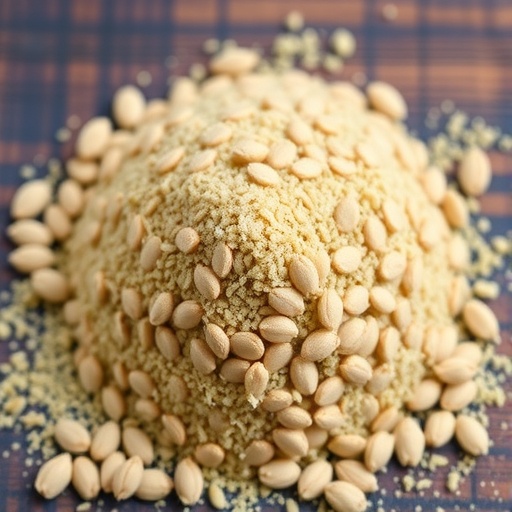
In the realm of sustainable food production, innovative methods for utilizing waste materials are garnering increased attention. A remarkable study conducted by Yılmaz, Çalışkan, and Ok delves deep into the valorization of poppyseed press meal, a byproduct often discarded in the oil extraction process. This comprehensive research investigates the transformative potential of poppyseed press meal as a viable ingredient in plant-based fermented products. By exploring the effects of starter cultures and external oleogel on both physicochemical and sensory properties, the study provides critical insights into enhancing food quality, nutritional value, and palatability.
Poppyseed press meal is often viewed as merely a waste product, yet it holds a treasure trove of essential nutrients, fiber, and bioactive compounds. Most notably rich in protein and essential fatty acids, it could potentially serve as a rich food source for various plant-based applications. Researchers are increasingly emphasizing the importance of recycling such biomass in line with global sustainability goals. Yılmaz and colleagues’ research enhances our understanding of how underutilized agricultural byproducts can be transformed into valuable food ingredients, promoting a circular economy.
One of the primary objectives of the research was to assess the impact of various starter cultures on the fermentation process of poppyseed press meal. Fermentation is a pivotal factor in modifying the properties of food products, often enhancing flavors, aromas, and nutritional profiles. The study meticulously examined different bacterial and yeast cultures to determine their effectiveness in cultivating the poppyseed press meal into a nutritious fermented product. This meticulous setup highlighted the intricate dance between microbial activity and substrate transformation, showcasing how diverse fermentation mechanisms could yield remarkably different results.
Additionally, the incorporation of external oleogel into the fermentation process represented a novel approach in the study. Oleogels are structured oil systems that can mimic the texture and mouthfeel of fats without the associated saturated fatty acids. By integrating oleogel, the researchers sought to enhance the texture and overall sensory experience of the final product. This inventive inclusion reflects a burgeoning trend in food science aimed at creating health-conscious options without compromising on sensory attributes. Such advancements are vital not only for consumer acceptance but also for public health initiatives promoting reduced fat intake.
The study’s methodology was not merely an exploration of culinary potential; it was a rigorous scientific inquiry that employed quantitative analyses to evaluate the physicochemical properties of the fermented products. Parameters such as pH, viscosity, and microbial counts were meticulously measured to establish a thorough understanding of the fermentation dynamics. By correlating these physicochemical measurements to sensory evaluations, the researchers painted a holistic picture of how fermentation impacts the overall quality of plant-based products.
Amid a backdrop of rising veganism and vegetarianism, enhancing sensory properties to meet consumer expectations remains paramount. The sensory evaluation included assessments of taste, aroma, and mouthfeel, all critical factors that influence consumer preferences. Through structured taste tests and analytical sensory panels, the study elucidated how the various combinations of starter cultures and oleogel influenced these properties, thus contributing to the development of a palatable product that stands a chance in competitive food markets.
In essence, this research serves as a beacon of innovation in the intersection of food science and sustainability. The findings offer tangible pathways for integrating previously overlooked agricultural byproducts into mainstream food products, thereby addressing food waste and enhancing the sustainability of the food system. The transitioning of poppyseed press meal from waste to a valued ingredient illustrates the importance of innovative thinking in food technology today.
Moreover, as the demand for plant-based alternatives continues to surge, there’s a critical need for ongoing research in this area. The implications of Yılmaz et al.’s work extend beyond the current findings; they highlight a pressing need for food scientists to collaborate with agricultural industries, ensuring that the valorization of such byproducts becomes a standard practice rather than an exception. Harnessing these materials could reshape our understanding of food production, waste management, and nutrition.
As the food industry grapples with challenges stemming from climate change and sustainability, studies like this push the envelope toward developing eco-friendly and health-promoting food options. The incorporation of nutrient-rich waste materials not only alleviates the environmental burden but also contributes to food security by diversifying food sources.
The innovation behind this research challenges conventional notions surrounding food production. It ignites a spark in the culinary world, inviting chefs and food technologists alike to experiment with new ingredients. Furthermore, it provides a thrilling narrative to consumers who are increasingly curious about food origins and production practices. In bringing new and exciting foods to market, this type of research holds the potential to reshape dietary habits, encouraging healthier choices among consumers.
In conclusion, the valorization of poppyseed press meal for plant-based fermented products is about much more than just enhancing flavors; it’s a pioneering step toward realizing the full potential of agricultural byproducts. Yılmaz, Çalışkan, and Ok’s research not only elucidates scientific methodologies but also inspires a broader movement; it offers a roadmap for the future of sustainable food production. The groundbreaking work promises to influence both consumer trends and policies, positioning itself as an essential contribution to the evolving narrative of food sustainability.
Through the judicious study of fermentation, health-oriented food design, and sustainable practices, researchers can truly change the landscapes of the food we consume. This study undoubtedly adds to the growing body of evidence supporting holistic and sustainable food systems. Such endeavors are necessary as we continue toward a future of nutrition that respects both our health and our planet.
Subject of Research: Valorization of Poppyseed Press Meal for Plant-Based Fermented Products
Article Title: Valorization of Poppyseed Press Meal for Plant-Based Fermented Products: Impact of Starter Cultures and External Oleogel on Physicochemical and Sensory Properties
Article References: Yılmaz, E., Çalışkan, Ş., Ok, S. et al. Valorization of Poppyseed Press Meal for Plant-Based Fermented Products: Impact of Starter Cultures and External Oleogel on Physicochemical and Sensory Properties. Waste Biomass Valor (2025). https://doi.org/10.1007/s12649-025-03424-8
Image Credits: AI Generated
DOI: https://doi.org/10.1007/s12649-025-03424-8
Keywords: Valorization, Poppyseed Press Meal, Plant-Based Products, Fermentation, Sustainable Food Production, Nutrition, Starter Cultures, Oleogel, Sensory Properties, Food Waste.


