

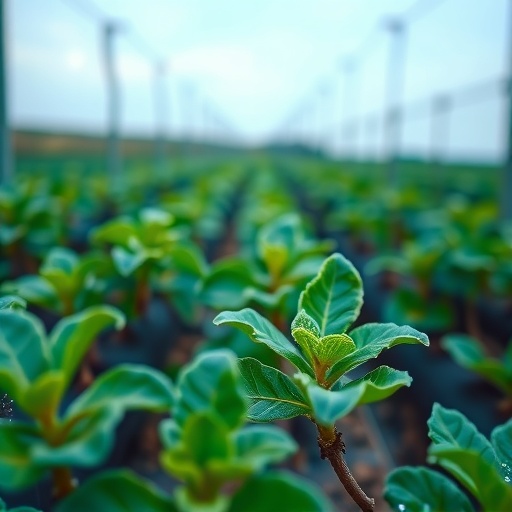
In the ever-evolving field of agricultural science, a groundbreaking study has emerged that could revolutionize how crops are grown and preserved. Durojaye, Gonlepa, and Ofuonye have unveiled innovative synthetic protein strategies aimed at modulating ethylene pathways within crops and postharvest systems. This research not only opens new avenues for enhancing crop yield but also addresses significant challenges in the postharvest phase, promising to reduce food waste effectively. Ethylene, a plant hormone, plays a significant role in the maturation and ripening processes of fruits and vegetables.
The researchers have meticulously examined the biochemical pathways associated with ethylene production, specifically targeting the enzymes that regulate these pathways. This approach allows for the potential manipulation of ethylene levels in various crops, enabling growers to control the timing of ripening and extending shelf life after harvest. By chemically altering ethylene sensitivity and production, these proteins can be designed to support optimal harvesting times, thereby maximizing crop quality and marketability.
One of the most striking implications of this research is its potential impact on postharvest losses. Every year, a staggering amount of food is wasted due to spoilage, primarily caused by the natural ripening process triggered by ethylene. By employing synthetic proteins to modulate this pathway, farmers and distributors can better manage ripening and maturation, ensuring that produce reaches consumers in peak condition.
Furthermore, the synthetic proteins described in the study could be tailored to different plant species, accommodating diverse agricultural practices across the globe. This adaptability is crucial in a world where agronomic conditions vary vastly from one region to another. By customizing these protein strategies to fit the specific needs of various crops, researchers pave the way for a more precise agricultural approach, one that could significantly enhance productivity and sustainability.
The agricultural landscape has witnessed numerous innovations aimed at improving crop yield and quality, yet few hold as much promise as the findings within this study. The researchers’ focus on a protein-centric approach allows for a delicate balance between enhancing growth and preserving the natural characteristics of the crops. This duality not only appeals to consumers who demand high-quality produce but also to growers looking to optimize their harvests.
A notable aspect of this research is the emphasis on sustainability. In an age where environmental concerns are paramount, the ability to reduce food waste through improved postharvest management is invaluable. By ensuring that crops remain fresh longer, this synthetic protein strategy stands to contribute significantly to diminishing the environmental impact associated with food production and waste.
Additionally, integrating these synthetic proteins into existing agricultural practices can enhance the symbiotic relationship between farmers and technology. By leveraging advanced biochemical research, conventional farming methodologies can adapt, leading to more efficient production systems. This synergy between nature and science offers a sustainable path forward, aiming not only for economic benefits but also for ecological balance.
The landscape of consumer preferences is also shifting, with increased awareness regarding food spoilage and waste. Shoppers are becoming more discerning, opting for fresher, longer-lasting produce. The application of synthetic protein technology represents a timely response to these changing dynamics in consumer behavior. It promises not only to satisfy growing market demands but also to enhance the nutritional value of the food supply.
The implications of this study stretch far beyond the immediate agricultural sector. As global populations continue to rise, the need for innovative solutions in food production and preservation will only intensify. By harnessing the power of synthetic proteins to better manage ethylene levels, this research addresses a crucial element of future food security, presenting a holistic solution to one of the most pressing challenges faced by society today.
As the findings of Durojaye and colleagues are further studied and eventually implemented in agricultural practices worldwide, we may witness a transformative shift in how food is produced and distributed. This innovative approach holds the potential for influencing regulations, consumer habits, and even the development of new culinary practices, as chefs and food producers take advantage of the enhanced quality and extended shelf life of fruits and vegetables.
This essential research underscores the importance of nurturing a symbiotic relationship between scientific innovation and agricultural tradition. As crops continue to adapt and evolve, so must the technologies we employ to cultivate them. The synthetic protein strategies presented in this study could serve as a critical turning point, bridging the gap between traditional farming practices and modern scientific advancements.
In conclusion, the synthetic protein strategies for modulating ethylene pathways in crops and postharvest systems detailed in this pivotal research may very well herald a new era in agriculture. The potential to influence not only crop yield and quality but also to significantly reduce food waste speaks to the broader societal implications of scientific research. As this technology develops, it bears the promise of creating a more sustainable and resilient food system—one that adequately meets the needs of our growing population while honoring the delicate balance of our natural ecosystems.
In the rush of scientific discovery, it is essential to recognize the implications of such research on future agricultural practices. The findings from this study invite us to contemplate a future where technology and nature work hand in hand, creating not just crops but a sustainable food system that supports life in all its diversity.
Subject of Research: The modulation of ethylene pathways in crops and postharvest systems through synthetic proteins.
Article Title: Synthetic protein strategies for modulating ethylene pathways in crops and postharvest systems.
Article References:
Durojaye, O.A., Gonlepa, M.K., Ofuonye, C.G. et al. Synthetic protein strategies for modulating ethylene pathways in crops and postharvest systems.
Discov. Plants 2, 359 (2025). https://doi.org/10.1007/s44372-025-00449-0
Image Credits: AI Generated
DOI: https://doi.org/10.1007/s44372-025-00449-0
Keywords: Ethylene, synthetic proteins, crop modulation, postharvest management, food waste reduction, agricultural sustainability.


