

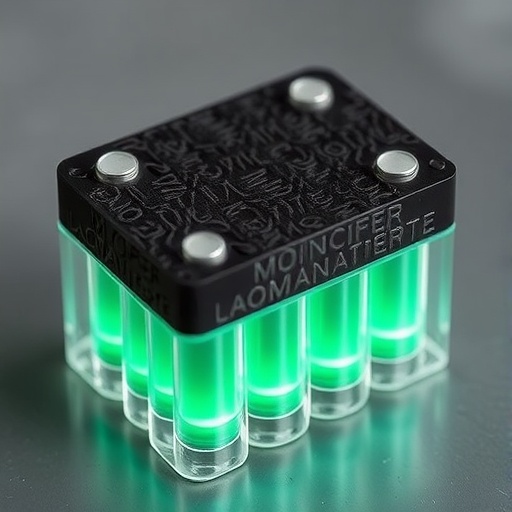
In recent years, the growing demand for sustainable energy storage solutions has catalyzed significant advancements in the field of supercapacitors. A groundbreaking study, soon to be published in the journal “Ionics,” conducted by researchers R. Priyadharsini and J. Balavijayalakshmi, aims to revolutionize energy storage mechanisms by utilizing biowaste-derived activated carbon materials. The research explores the potential of using residues from groundnut shells, sugarcane, and corn cobs to develop a high-performance symmetric supercapacitor, showcasing not only the effectiveness of sustainable materials but also promoting the circular economy.
The researchers harnessed the potential of agricultural waste products that are often discarded or underutilized. By converting these biowastes into activated carbon, they are able to create a versatile and effective material for energy storage applications. This approach not only reduces waste but also presents an eco-friendly method for sourcing materials that traditionally rely on non-renewable resources. With the mounting pressures of climate change and the increasing need for renewable energy sources, the implications of this research are both timely and crucial.
Activated carbon is known for its high surface area and exceptional electrical conductivity, both of which are desirable characteristics for supercapacitor applications. By utilizing groundnut shells, sugarcane, and corn cobs, the researchers produced activated carbon with remarkably high electrochemical performance. The inherent properties of these biowastes contribute to the exceptional efficiency of the supercapacitors, allowing for rapid charge and discharge cycles, which is vital for applications in energy storage systems.
The experimentation process involved optimizing the activation methods to maximize the yield and performance of the activated carbon produced. The researchers employed various thermal and chemical activation techniques, carefully controlling parameters such as temperature and time to ensure the best possible product. The result was a unique formulation of activated carbon that demonstrated remarkable charge storage capabilities, outperforming some commercially available options.
The study not only emphasizes the performance metrics of these newly developed supercapacitors but also explores their advantages over traditional energy storage solutions. For instance, the symmetric configuration of the supercapacitor allows for a balanced energy storage mechanism, which can lead to improved safety and stability during operation. Additionally, the use of biodegradable materials significantly reduces the environmental footprint associated with the manufacturing processes of conventional supercapacitors.
Furthermore, the researchers conducted a series of electrochemical tests to evaluate the performance of their supercapacitor prototypes. These tests revealed an impressive energy density and power density, along with high cycling stability over numerous charge and discharge cycles. Such durability is essential in practical applications, where the longevity of energy storage devices is a key consideration.
The findings of this research carry far-reaching implications, particularly in the context of renewable energy systems. As the world increasingly shifts towards solar and wind energy, energy storage solutions that can efficiently capture and hold energy are critical. The supercapacitors developed using biowaste-derived activated carbon could serve as a complementary technology to conventional batteries, providing rapid energy delivery and enhancing the overall efficiency of renewable energy systems.
Moreover, the economic viability of this approach is noteworthy. By utilizing low-cost raw materials, the researchers propose a sustainable path forward for the production of energy storage solutions. This could lead to a reduction in the overall cost of supercapacitors, making them more accessible for a variety of applications, from electric vehicles to smart grids. The potential for scalability in the production of these supercapacitors opens up exciting avenues not only for researchers but also for industries seeking sustainable energy options.
In concluding their research, Priyadharsini and Balavijayalakshmi stress the importance of interdisciplinary collaboration in advancing sustainable technologies. The integration of agricultural science, materials science, and engineering played a critical role in the successful outcomes of their study. They encourage future research to build upon their findings, exploring other biowaste materials that could yield even more innovative solutions for energy storage challenges.
As nations around the globe strive to meet ambitious sustainability targets, advancements like those presented in this study pave the way for a greener future. The development of eco-friendly, high-performance supercapacitors from biowaste not only offers a solution to energy storage needs but also addresses broader environmental concerns associated with waste management. The time is ripe for the global community to embrace innovative approaches that leverage the resources at hand while safeguarding our planet’s future.
The impact of this research extends beyond just the realm of supercapacitors; it serves as an encouraging model for various fields looking to integrate sustainability into their practices. The ability to reimagine waste materials as valuable resources highlights a growing trend towards sustainability that is becoming increasingly critical as environmental challenges intensify. Whether through energy storage, construction, or materials development, the lessons learned from using biowaste-derived activated carbon will resonate across industries.
Continuing in this vein, the study underscores the necessity of addressing global challenges with inventive and environmentally friendly solutions. The promising results of the supercapacitor prototype derived from agricultural residues signify a step forward not only in energy storage technology but also in fostering a culture of sustainability within the research community. As awareness of the environmental implications of waste grows, so too does the opportunity for innovation through responsible resource management.
This revolutionary study is expected to spark significant interest within the scientific community and beyond. As researchers and industry leaders seek innovative sustainable solutions, Priyadharsini and Balavijayalakshmi’s work exemplifies the potential of merging science with environmental stewardship. The implications of such research could resonate for generations, heralding a new era in energy storage technologies that prioritizes both efficiency and ecological responsibility.
With the path to sustainable energy storage becoming ever more imperative, the research by Priyadharsini and Balavijayalakshmi stands as a beacon of hope. By championing the utilization of biowaste, they champion not only the advancement of technology but also a commitment to a sustainable future. This study is poised to make a significant impact in both the scientific literature and the practical applications of energy storage technologies moving forward.
Subject of Research: Development of high-performance symmetric supercapacitors using biowaste-derived activated carbon.
Article Title: High-performance symmetric supercapacitor using triple biowaste-derived activated carbon: groundnut shell, sugarcane and corn cob residues.
Article References: Priyadharsini, R., Balavijayalakshmi, J. High-performance symmetric supercapacitor using triple biowaste-derived activated carbon: groundnut shell, sugarcane and corn cob residues. Ionics (2025). https://doi.org/10.1007/s11581-025-06907-9
Image Credits: AI Generated
DOI: 10.1007/s11581-025-06907-9
Keywords: Supercapacitor, Biowaste, Activated Carbon, Energy Storage, Sustainability, Groundnut Shell, Sugarcane, Corn Cob.


