

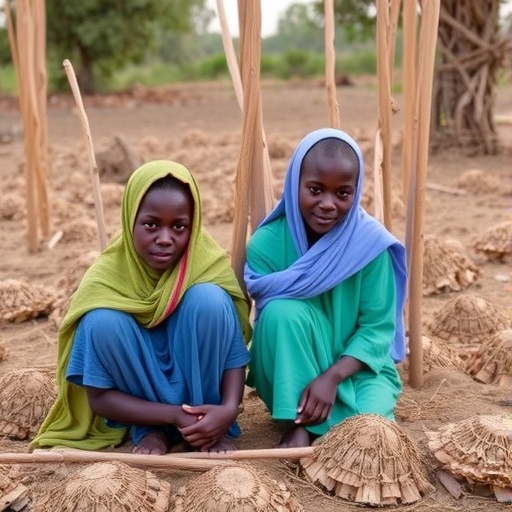
In the face of ongoing climate change, the rural livelihoods of millions are being threatened, particularly in the Amhara region of Ethiopia. A recent study conducted by researchers Damtie, Asmare, and Ambelu sheds light on the critical impacts of drought on these communities. The findings not only underscore the urgency of addressing climate change but also emphasize the adaptive capacities that rural populations have developed over generations.
Amhara, a region with a rich agricultural heritage, has experienced heightened susceptibility to drought conditions. This latest research highlights the mechanistic pathways through which prolonged dry spells affect local farmers, pastoralists, and their families. The data, collected through extensive field surveys and interviews, illustrate a disturbing trend: as droughts become more frequent and severe, the economic stability of rural households is increasingly jeopardized.
The ramifications of drought go beyond immediate agricultural losses. Researchers found that decreased crop yields precipitate food insecurity, which in turn leads to malnutrition and poor health outcomes among vulnerable populations, especially children and the elderly. The study highlights that the impacts of drought are not uniformly distributed; marginalized groups experience the brunt of these challenges due to pre-existing socio-economic disparities.
In addition to agricultural challenges, the study identifies a range of socio-economic consequences stemming from drought. Livestock, a critical asset for many families in Amhara, face increased mortality rates and declining productivity. This not only poses a threat to food sources but also reduces income from livestock sales, further eroding household economic stability. Rural livelihoods depend heavily on both crops and livestock, and the interplay between these sectors becomes increasingly fragile as drought conditions persist.
As the climate crisis intensifies, water scarcity is becoming an inevitable reality for many in Amhara. The research illustrates how diminishing water resources complicate agricultural practices, forcing farmers to shift to less viable crops or abandon farming altogether. This shift not only affects immediate food availability but also alters the cultural and social fabric of rural communities, where agricultural traditions are deeply woven into daily life.
However, the response to these changing conditions reveals a complex and adaptive resilience among rural populations. Many farmers are incorporating innovative techniques to cope with drought, such as diversifying crops, adopting improved irrigation systems, and investing in drought-resistant seed varieties. The study documents several case examples of successful adaptation strategies that may serve as models for other drought-prone regions.
Furthermore, the researchers emphasize the importance of policy interventions to support these adaptive strategies. Protective measures, such as water conservation initiatives, access to credit for small-scale farmers, and market integration, are essential for building resilience against climate change. The study advocates for a comprehensive approach that involves both local communities and governmental support to facilitate sustainable agricultural practices.
Ethiopia’s context is particularly noteworthy in the global dialogue surrounding climate change. The country’s climate vulnerability reflects broader trends observed worldwide, where the poorest populations often bear the greatest burdens of environmental shifts. The authors argue that understanding these local dynamics provides critical insights that can inform global climate adaptation strategies.
Education and awareness programs are also identified as crucial components for enhancing community resilience. By educating farmers about the impacts of climate change and equipping them with knowledge about sustainable practices, communities can become better prepared to confront future challenges. The study highlights the role of local organizations in disseminating information and fostering community engagement in climate adaptation initiatives.
International efforts to combat climate change often emphasize technological solutions, yet this study highlights the importance of local knowledge and practices. Incorporating indigenous strategies alongside modern innovations may prove essential for long-term sustainability in rural livelihoods. The impact of local governance structures on these adaptive strategies is also examined, underscoring the need for inclusive decision-making processes.
The researchers conclude with a call to action for both local and international policymakers, stressing the need for immediate intervention. The ongoing climate crisis necessitates a proactive approach to support the most affected communities, particularly in regions like Amhara where livelihoods are intricately tied to agricultural practices. As climate patterns continue to evolve, it is imperative that strategies for resilience and adaptation are prioritized.
In summary, the implications of drought on rural livelihoods in Ethiopia’s Amhara region are multifaceted and far-reaching. While challenges abound, the research showcases the resilience and ingenuity of local populations in the face of adversity. Policymakers and stakeholders must take heed of these findings to foster environments that not only mitigate the effects of climate change but also empower communities to thrive.
By addressing both the immediate and systemic factors at play, society can work towards a future where rural livelihoods remain viable despite the encroaching threats posed by climate change, thereby ensuring food security, economic stability, and a sustainable future for the generations to come.
Subject of Research: Impacts of drought on rural livelihoods in the Amhara region of Ethiopia
Article Title: Impacts of drought on rural livelihoods an evidence of climate change affected areas of Amhara region in Ethiopia.
Article References:
Damtie, Y.A., Asmare, B.A., Ambelu, T. et al. Impacts of drought on rural livelihoods an evidence of climate change affected areas of Amhara region in Ethiopia. Discov Sustain (2025). https://doi.org/10.1007/s43621-025-02365-5
Image Credits: AI Generated
DOI: 10.1007/s43621-025-02365-5
Keywords: drought, rural livelihoods, climate change, Amhara, Ethiopia, food security, resilience, adaptation strategies.


