

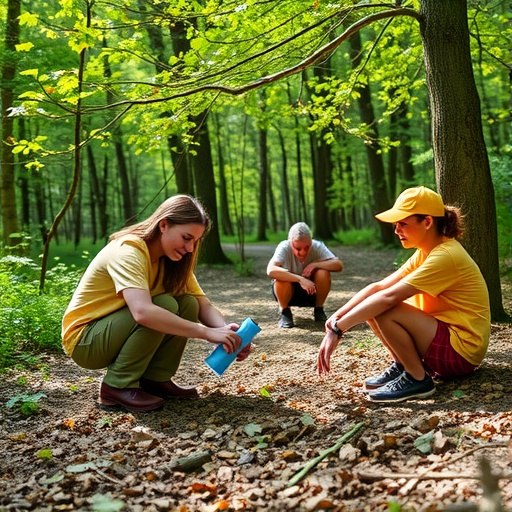
In a world increasingly shaped by urbanization, climate change, and environmental degradation, the intrinsic connection between humans and nature is often overlooked. Yet, recent research underscores the vital need for what has been termed “nature connectedness.” This concept emphasizes the emotional and psychological ties individuals have to the natural world, highlighting its importance for both individual well-being and collective action towards environmental sustainability. The study conducted by Pritchard, Tovey, Tickell, and others provides a detailed examination of how interventions designed to enhance nature connectedness can act as catalysts for transformational change.
The findings reveal that cultivating a deeper relationship with nature can significantly influence individuals’ environmental behaviors and attitudes. By engaging in activities that foster a sense of connection with the natural world, such as spending time outdoors or participating in conservation efforts, people may become more motivated to advocate for environmental protection and sustainability. This transformation is crucial, especially in the face of pressing global challenges like biodiversity loss and climate change effects.
Beyond the individual level, the study emphasizes the social dimensions of nature connectedness. Individuals who feel a strong connection to nature are more likely to engage with their communities and support initiatives aimed at environmental improvement. This collective action is essential for addressing systemic environmental issues that transcend individual capabilities. By fostering environments where people can connect more deeply with nature, communities can mobilize towards common goals, leveraging shared values and experiences to drive meaningful change.
Transformational change through nature connectedness interventions is not merely a theoretical concept; it presents tangible pathways for social and ecological resilience. Implementing these interventions requires a multidisciplinary approach, integrating psychology, ecology, and community organizing. The participatory methods engaged in the research highlight the importance of experiential learning and the value of local ecosystems. By working to understand the specific needs and contexts of communities, researchers and practitioners can design effective interventions that resonate with people’s lived experiences.
Furthermore, the researchers provide insights into the barriers that hinder nature connectedness among various populations. Urbanization, digital distractions, and socioeconomic disparities often create obstacles that distance individuals from nature. Addressing these barriers is crucial in promoting equitable access to nature, ensuring that all individuals have the opportunity to cultivate a sense of connection with the environment. The study argues that public policy and community initiatives must prioritize accessibility to green spaces and nature-based experiences, particularly in urban areas where individuals may feel isolated from the natural world.
Another significant aspect of the study is its focus on mental health and well-being. The overwhelming evidence suggests that individuals who connect with nature experience lower levels of stress, anxiety, and depression. This connection acts as a buffer against modern-day challenges, promoting psychological resilience. In a time when mental health issues are prevailing, integrating nature connectedness into therapeutic practices and community wellness programs could yield substantial benefits. Encouraging outdoor activities, mindfulness in nature, and nature-based therapies could form essential components of mental health strategies, fostering recovery and resilience.
In addition to the psychological impacts, the environmental implications of nature connectedness interventions cannot be understated. When individuals feel a sense of belonging to their natural surroundings, they are more likely to engage in pro-environmental behaviors, such as recycling, conserving water, and advocating for climate action. The ripple effects of these behaviors can lead to widespread changes, prompting communities and businesses to adopt more sustainable practices. This research underscores that fostering emotional ties to nature is not just about personal fulfillment; it plays a critical role in mobilizing collective action toward environmental stewardship.
The study also delves into the role of education in facilitating nature connectedness. By integrating environmental education into school curricula, educators can help foster a sense of connection among younger generations. Experiential learning opportunities that involve outdoor exploration, ecological projects, and hands-on conservation efforts can cultivate lifelong respect and care for the natural world. In this way, education becomes a pivotal tool in shaping the attitudes and behaviors of future leaders and decision-makers.
Furthermore, the implications of these findings extend to the corporate sector. As companies increasingly recognize the importance of sustainability, integrating nature connectedness into corporate social responsibility initiatives can enhance employee well-being and boost organizational outcomes. Companies that create green spaces for their employees, encourage outdoor team-building activities, or support community environmental programs can foster a culture of connection that benefits both workers and the environment. This symbiotic relationship highlights how businesses can play a crucial role in promoting nature connectedness, ultimately aligning corporate success with ecological sustainability.
As we look toward the future, the researchers call for collaborative efforts among governments, non-profits, educational institutions, and the private sector to implement nature connectedness interventions on a larger scale. Creating a society where nature and humanity are harmoniously intertwined requires a multifaceted approach that transcends traditional environmental paradigms. By weaving nature connectedness into the very fabric of our communities, we can cultivate an enduring legacy of environmental responsibility and well-being.
In conclusion, the study reveals the transformative potential of nature connectedness as a catalyst for individual change, community action, and environmental restoration. As we navigate the complexities of the modern world, embracing and nurturing our connection to nature may very well hold the key to fostering a more sustainable and resilient future for all. The time to act is now: through conscious interventions that promote this connection, we can reshape our relationship with the planet and cultivate a thriving world for generations to come.
Subject of Research: Nature Connectedness Interventions
Article Title: Catalysing Transformational Change Through Compound Nature Connectedness Interventions
Article References:
Pritchard, M., Tovey, P., Tickell, P. et al. Catalysing transformational change through compound nature connectedness interventions. Ambio (2025). https://doi.org/10.1007/s13280-025-02328-0
Image Credits: AI Generated
DOI:
Keywords: Nature connectedness, environmental sustainability, mental health, community action, experiential learning, corporate responsibility.


