

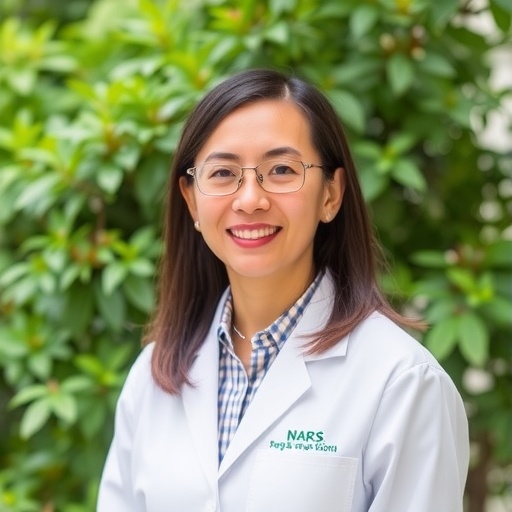
The Society of Nuclear Medicine and Molecular Imaging (SNMMI) proudly announces that Dr. Chun Li, a distinguished professor of chemistry at MD Anderson Cancer Center’s Department of Cancer Systems Imaging, has been awarded the prestigious Drs. Jane & Abass Alavi Mars Shot Research Award for 2026. This remarkable grant, valued at $100,000 and sourced from the forward-looking Mars Shot Fund, is dedicated to pioneering breakthroughs in imaging research related to infection and inflammation. Dr. Li’s project—titled “Imaging vascular inflammation and response to therapy in atherosclerotic coronary artery disease”—promises to reshape how we visualize and manage one of the leading causes of mortality worldwide.
Atherosclerotic coronary artery disease (CAD) remains a colossal global health challenge, affecting upwards of 18 million adults and contributing to more than 370,000 deaths annually in the United States alone. The disease’s pathology centers on the formation and destabilization of atherosclerotic plaques within coronary arteries, culminating in myocardial infarctions when plaques rupture. Despite significant advances in cardiovascular medicine, the ability to accurately identify and characterize vulnerable plaques before catastrophic events occur is still severely limited by current imaging methodologies.
Dr. Li’s research addresses this crucial gap in cardiovascular diagnostics by leveraging state-of-the-art positron emission tomography (PET) radiotracer technology. Recognizing the critical role that inflammation plays in plaque vulnerability, his team proposes to utilize a novel PET radiotracer, ^64Cu-Db-CD11b, designed to selectively bind to inflammatory cells present within atherosclerotic lesions. This innovative tracer promises enhanced specificity for inflammatory activity, a hallmark of unstable plaques, potentially enabling unprecedented precision in identifying high-risk patients before clinical events.
The scientific strategy involves meticulous in vivo preclinical evaluations utilizing murine models of atherosclerosis. Dr. Li and colleagues plan to employ ^64Cu-Db-CD11b PET/CT imaging to not only detect vulnerable plaques but also to monitor dynamic inflammatory responses during anti-inflammatory interventions. Such an approach enables longitudinal tracking of therapeutic efficacy, offering a real-time window into how treatment modalities stabilize plaques and ultimately prevent acute coronary events.
The translational implications of this project extend far beyond the laboratory. Noninvasive PET imaging targeting vascular inflammation could revolutionize personalized cardiovascular care by refining risk stratification models and optimizing intervention timing. If successful, it could guide clinicians in tailoring treatment strategies based on the biological activity of plaques rather than relying solely on anatomical imaging or clinical risk factors, thus ushering in a new era of precision cardiology.
Dr. Li’s extensive background in nanomedicine and molecular imaging equips him uniquely for this challenge. His expertise spans the development of targeted imaging probes across multiple modalities including near-infrared optical imaging, single-photon emission computed tomography (SPECT), and PET. His research vision integrates these imaging tools with molecular targeted therapies, aspiring to create synergistic, image-guided therapeutic approaches that enhance treatment specificity and effectiveness in oncology and beyond.
The Mars Shot Research Fund, established by SNMMI in 2023, represents a visionary commitment to fostering groundbreaking research that propels nuclear medicine into transformative clinical applications. This fund aims to accelerate the development of innovative imaging technologies, radiopharmaceutical therapies, and data science innovations that will substantially improve patient outcomes. Dr. Li’s award-winning project embodies this ambitious spirit, charting a path toward more responsive and tailored management of cardiovascular disease.
CAD remains an intractable challenge largely due to difficulties in early, accurate detection of plaques prone to rupture. Current anatomical imaging techniques—such as angiography and CT—offer limited information about plaque composition and inflammatory status. Dr. Li’s exploration of radiotracers targeting inflammatory markers represents a paradigm shift by focusing on molecular signatures rather than morphology alone.
Inflammatory cells such as macrophages express CD11b integrin, a protein that plays key roles in leukocyte adhesion and migration to inflamed tissues, including atherosclerotic plaques. The use of a PET radiotracer that binds to CD11b harnesses this biological specificity, enabling visualization of inflammatory processes at the cellular level. This molecular specificity could enhance the sensitivity and predictive power of imaging in detecting vulnerable plaques.
The implementation of ^64Cu, a copper radioisotope with favorable decay properties for PET imaging, paired with the Db-CD11b radioligand, results in a sensitive and specific molecular imaging tool. This technology amalgamates advances in radiochemistry, immunology, and nuclear medicine, exemplifying a multidisciplinary approach critical for successful biomedical innovation.
Dr. Li earned his PhD at Rutgers University, followed by postdoctoral research at MD Anderson Cancer Center, where he has since cultivated a prolific career. His pioneering work underscores the potential of integrating molecular imaging with therapeutic strategies to combat complex diseases such as cancer and cardiovascular disorders. Through the Mars Shot Award, Dr. Li’s laboratory is poised to impact both diagnostic imaging and therapeutic monitoring of atherosclerotic disease profoundly.
This award not only recognizes individual excellence but also highlights the growing importance of nuclear medicine and molecular imaging in addressing major public health issues. As CAD continues to impose a heavy burden on populations worldwide, innovative imaging solutions like those developed by Dr. Li could dramatically reduce morbidity and mortality by enabling earlier intervention and personalized treatment regimens.
In conclusion, Dr. Chun Li’s receipt of the SNMMI Mars Shot Research Fund Award marks a significant milestone in nuclear medicine research aimed at vascular inflammation imaging. His work promises to push the boundaries of how cardiovascular diseases are detected and treated, harnessing the power of molecular imaging to save lives. The interdisciplinary nature and translational focus of this research illustrate the future trajectory of precision medicine—where diagnosis and therapy are intricately linked through cutting-edge technologies.
Subject of Research: Imaging vascular inflammation and response to therapy in atherosclerotic coronary artery disease using novel PET radiotracers
Article Title: Dr. Chun Li Awarded SNMMI Mars Shot Research Fund for Breakthrough Imaging of Vascular Inflammation in Coronary Artery Disease
News Publication Date: March 19, 2026
Web References:
- SNMMI website: http://www.snmmi.org/
Image Credits: Image courtesy of SNMMI
Keywords: Molecular imaging, PET radiotracers, coronary artery disease, vascular inflammation, ^64Cu-Db-CD11b, atherosclerotic plaques, nuclear medicine, personalized medicine, cardiovascular imaging, theranostics


