

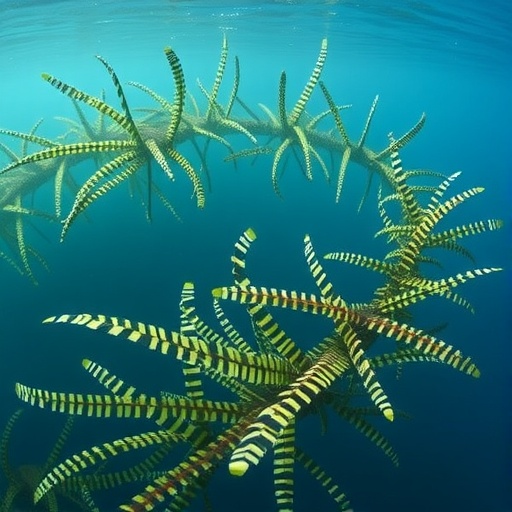
In a groundbreaking study, researchers led by K.C. Cavanaugh have utilized high-resolution Planet Dove satellite data to explore the intricate dynamics driving the persistence of kelp canopies. Kelp forests, often referred to as underwater rainforest ecosystems, are critical for marine biodiversity, coastal protection, and carbon sequestration. Understanding the local factors that influence their health and longevity is essential as these ecosystems face increasing threats from climate change, pollution, and overfishing. The research, published in the journal “Commun Earth Environ,” sheds light on the environmental variables that contribute to the resilience of these vital habitats.
The focus of the study revolves around the collection and analysis of data captured by Planet Dove satellites. These satellites, renowned for their capability to provide high-resolution imagery of Earth’s surface, offer unprecedented insights into the spatial and temporal dynamics of kelp ecosystems. By analyzing satellite imagery over time, the researchers were able to identify patterns in kelp canopy persistence in various coastal regions, revealing the ecological and anthropogenic factors that affect these marine forests.
One of the key findings of the research highlighted the significant role of water temperature in the maintenance of healthy kelp forests. Kelp is highly sensitive to temperature fluctuations, which can lead to stress and subsequent decline in canopy health. The analysis showed that stable, cooler water temperatures are crucial for sustaining robust kelp populations. This finding underscores the potential impact of global warming on these ecosystems, as rising sea temperatures threaten their stability and could lead to widespread declines in kelp coverage.
In addition to temperature, the study examined the effects of nutrient availability on kelp canopy persistence. Nutrient enrichment, often a consequence of agricultural runoff and wastewater discharge, can significantly influence the growth of kelp. The researchers found that while some nutrient input can promote healthier kelp growth, excessive nutrients can lead to harmful algal blooms, which compete with kelp for space and resources. This delicate balance between nutrient availability and ecological health is paramount for maintaining the intricate food webs associated with kelp forests.
Another significant aspect of this research was the examination of human activities in close proximity to kelp forests. Urbanization, coastal development, and recreational activities were found to exert substantial pressure on these ecosystems. The study revealed that regions with significant human activity often experienced declines in kelp canopy health, with factors such as pollution and habitat alteration playing pivotal roles. This highlights the need for comprehensive coastal management strategies that recognize the interconnectedness of human actions and ecological health.
The research also delved into the role of herbivores in the kelp ecosystem. Species such as sea urchins and certain fish can have detrimental impacts on kelp forests when their populations are not kept in check. By utilizing satellite imagery, the researchers could infer areas with healthy kelp canopies often had balanced herbivore populations. This aspect of the study emphasizes the importance of understanding trophic interactions and their influence on the overall resilience of kelp ecosystems.
As the study progressed, the researchers leveraged advanced data analytics and machine learning techniques to sift through the large datasets provided by Planet Dove. By employing these modern analytical tools, they were able to uncover complex relationships and trends within the kelp ecosystems that conventional ecological approaches may have overlooked. This innovative use of technology marks a significant advancement in ecological research, demonstrating the power of remote sensing in monitoring and protecting vital ecosystems.
The implications of this research extend beyond just understanding kelp persistence; it contributes to broader ecological conservation efforts. The insights gained from the study may inform regional management practices aimed at preserving these essential habitats. By identifying local drivers of kelp health, policymakers can tailor conservation strategies that address specific environmental pressures, ensuring the long-term sustainability of kelp forests in the face of climate change and human impacts.
In the context of global biodiversity loss and ecological degradation, the findings of this study serve as a clarion call for the protection of kelp forests. As critical habitats for numerous marine species, their conservation is vital not only for ecological balance but also for maintaining the livelihoods of communities that depend on these resources. The study advocates for a proactive stance in marine conservation, urging decision-makers to prioritize the preservation of these ecosystems as integral components of our natural heritage.
In concluding, the research undertaken by Cavanaugh and colleagues serves as a pivotal contribution to the understanding of kelp canopy dynamics. By combining cutting-edge satellite technology with ecological research, the study unveils the myriad of factors that contribute to the resilience of these underwater ecosystems. The insights gained underscore the importance of continued monitoring and management of kelp forests, not only as a response to anthropogenic pressures but also as part of a broader strategy to mitigate the impacts of climate change.
The study not only highlights the urgency of preserving kelp ecosystems but also illustrates the potential for innovative technological approaches to inform conservation efforts. As ongoing environmental changes continue to pose challenges for marine ecosystems worldwide, the knowledge generated from this research will be instrumental in shaping future efforts to safeguard these crucial habitats for generations to come.
As the research community expands its capabilities in remote sensing and data analysis, further studies building upon the findings from Cavanaugh et al. can enhance our understanding of kelp forests and their responses to a changing world. The integration of satellite imagery with ecological data can revolutionize how we monitor not only kelp but also other vital coastal ecosystems, allowing for a more holistic view of our planet’s health and fostering resilience against environmental stressors. By empowering scientists, policymakers, and coastal communities with this knowledge, we can collectively safeguard our oceans’ future.
In summary, the investigation into kelp canopy persistence offers invaluable insights into the complex interplay of natural and anthropogenic factors affecting these marine ecosystems. The study heralds a new era of ecological research where technology and science converge to unravel the mysteries of the underwater world, emphasizing the need for conscientious stewardship of our planet’s natural resources. Only through collaborative effort and a commitment to understanding and preserving ecological systems like kelp forests can we ensure their survival for the future of biodiversity and humanity alike.
Subject of Research: Kelp canopy persistence and the local drivers affecting the health of kelp forests.
Article Title: High-resolution planet Dove data identify local drivers of kelp canopy persistence.
Article References:
Cavanaugh, K.C., Cavanaugh, K.C., Berberian, L.A. et al. High-resolution planet Dove data identify local drivers of kelp canopy persistence. Commun Earth Environ (2026). https://doi.org/10.1038/s43247-025-03134-y
Image Credits: AI Generated
DOI: 10.1038/s43247-025-03134-y
Keywords: Kelp forests, canopy persistence, high-resolution satellite data, ecological conservation, marine biodiversity, climate change impacts.


