

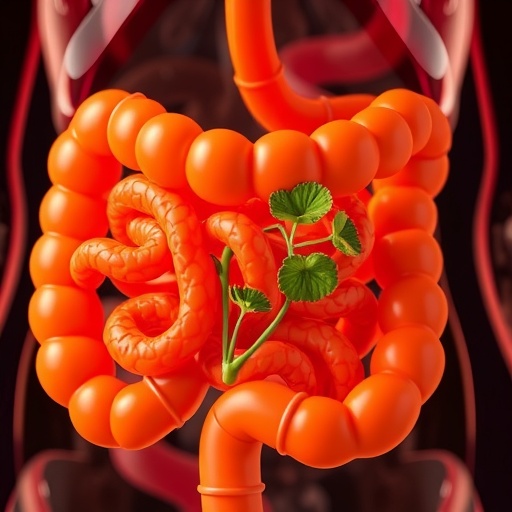
In recent years, the interplay between diet and gut microbiota has emerged as a significant area of research within the sphere of nutritional science and human health. A systematic review conducted by Aslam et al. has delved into this relationship, analyzing 80 controlled clinical trials to draw meaningful conclusions about how dietary interventions can influence gut microbiota composition and functionality. Gut microbiota refers to the vast community of microorganisms residing in the gastrointestinal tract, contributing to various physiological processes such as digestion, immune function, and even mental health. Understanding the effects of different dietary patterns on this microbial population can pave the way for innovative therapeutic strategies aimed at improving overall health outcomes.
The review conducted by Aslam and their colleagues brings to light that dietary choices have profound implications on gut microbiota diversity and stability. It highlights that specific diets, such as those high in fiber, fermented foods, or polyphenols, have been associated with a richer microbial diversity. A diverse microbiota is often linked to better health, while a less diverse microbiome is correlated with numerous health conditions, including obesity, diabetes, and gastrointestinal diseases. The findings of this systematic review underscore the significance of dietary interventions as potential modulators of gut microbiota composition, with implications for various health conditions.
One noteworthy aspect of the review is the focus on fiber-rich diets, which play a crucial role in promoting the growth and activity of beneficial gut bacteria. These bacteria ferment dietary fibers, producing short-chain fatty acids (SCFAs) that serve as energy sources for colonic cells and have anti-inflammatory properties. Research indicates that increased intake of dietary fibers not only enhances SCFA production but also correlates with a reduction in inflammatory markers in the body. Hence, dietary fibers may offer a twofold benefit—enhancing beneficial bacteria while simultaneously mitigating inflammation.
In addition to fiber, the inclusion of fermented foods in one’s diet has shown promising results in enhancing gut microbiota health. Fermented foods such as yogurt, kefir, kimchi, and sauerkraut are rich in probiotics—live bacteria that can positively influence gut health. The systematic review highlights the positive impact of these foods on gut microbiota diversity, suggesting that they may help replenish beneficial bacteria lost due to dietary imbalances or antibiotic use. The presence of these probiotics is essential, as they can compete with pathogenic bacteria, helping to restore balance within the gastrointestinal tract.
Another critical factor identified in the review is the role of polyphenols, which are naturally occurring compounds found in many fruits, vegetables, and beverages like tea and coffee. Polyphenols possess antioxidant and anti-inflammatory properties, contributing to the overall health of the microbiome. They have been shown to enhance the growth of beneficial bacteria while suppressing harmful pathogens. This underscores the complex relationship between diet, gut microbiota, and health, suggesting that a diet rich in polyphenols can significantly contribute to the maintenance of a healthy microbiome.
Moreover, the systematic review offers insights into the effects of high-protein diets, particularly those rich in animal proteins, on gut microbiota composition. Some studies suggest that such diets can lead to an increase in certain bacteria linked to unfavorable health outcomes. This highlights the necessity of a balanced diet incorporating various macronutrients, as imbalances can lead to dysbiosis—a state of microbial imbalance linked to various diseases.
The review also draws attention to the influence of dietary patterns across different populations and cultures. It suggests that traditional dietary patterns, characterized by high consumption of whole foods and low intake of processed foods, may positively impact gut health. The Mediterranean diet, for instance, with its emphasis on fruits, vegetables, whole grains, healthy fats, and lean proteins, has been associated with favorable microbiota profiles. This point emphasizes the need for culturally relevant dietary interventions to enhance the health of diverse populations.
While this systematic review provides compelling evidence supporting the role of dietary interventions in modulating gut microbiota, it also acknowledges the necessity for more robust, longitudinal studies. Many of the studies included in the review had varying methodologies and sample sizes, which can affect the generalizability of the findings. More extensive studies will be essential to elucidate the long-term effects of dietary changes on gut microbiota and overall health effectively.
Furthermore, the review points out the importance of personalized nutrition, considering that individual responses to dietary interventions can vary widely. Factors such as genetics, age, lifestyle, and pre-existing health conditions all play significant roles in how one’s microbiota responds to dietary changes. A more personalized approach to nutrition could enhance the effectiveness of dietary interventions, potentially leading to tailored recommendations based on an individual’s unique gut microbiome profile.
In conclusion, the systematic literature review by Aslam et al. serves as a critical reminder of the significant role diet plays in shaping our gut microbiota. The findings provide valuable insights into how specific dietary interventions can enhance gut health, promoting a diverse microbiota associated with various positive health outcomes. This research not only underscores the need for ongoing investigation into the intricate relationship between diet and gut microbiota but also highlights the potential for dietary strategies to address a myriad of health concerns effectively.
As the scientific community continues to explore the intricacies of the microbiome, the findings presented in this review will undoubtedly contribute to a growing understanding of how dietary choices can impact human health. With further research and a focus on personalized nutrition, there is great potential to harness the power of diet in enhancing gut microbiota and, consequently, overall wellness.
Continued exploration in this dynamic field will likely lead to groundbreaking discoveries that can translate into tangible health benefits for individuals around the globe, making the gut microbiota a pivotal area of focus for future health-related innovations.
Subject of Research: Dietary interventions and their effects on gut microbiota.
Article Title: Dietary interventions and the gut microbiota: a systematic literature review of 80 controlled clinical trials.
Article References:
Aslam, H., Trakman, G., Dissanayake, T. et al. Dietary interventions and the gut microbiota: a systematic literature review of 80 controlled clinical trials.
J Transl Med 24, 39 (2026). https://doi.org/10.1186/s12967-025-07428-9
Image Credits: AI Generated
DOI: https://doi.org/10.1186/s12967-025-07428-9
Keywords: gut microbiota, dietary interventions, fiber, probiotics, polyphenols, health, systematic review.


