

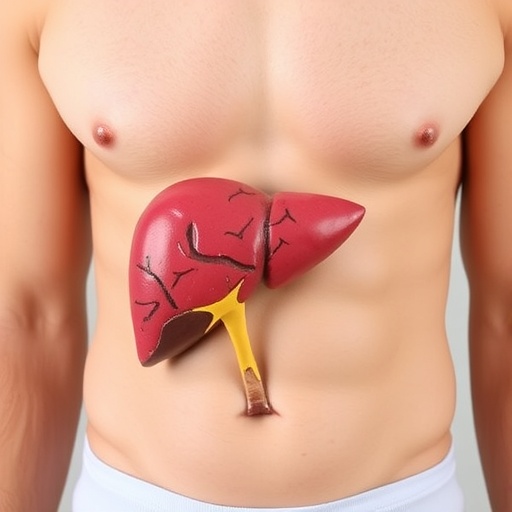
In a groundbreaking randomized controlled trial published in Nature Communications, researchers have unveiled compelling evidence about the profound impacts of diet composition on liver fat accumulation and cardiometabolic health in individuals with type 2 diabetes or prediabetes. The study meticulously compared the effects of an anti-lipogenic low-carbohydrate, high polyunsaturated fat diet against a Healthy Nordic diet and usual care habits, revealing significant biochemical and physiological changes that may redefine dietary recommendations for metabolic disorders.
The intricate relationship between diet, liver fat, and cardiometabolic disorders has gained increasing attention due to the escalating prevalence of non-alcoholic fatty liver disease (NAFLD) and related conditions globally. NAFLD, often linked with insulin resistance and type 2 diabetes, accelerates cardiovascular risks and liver-related morbidity. Traditional dietary interventions predominantly focus on calorie restriction and macronutrient balancing, but this trial pivots toward understanding how specific macronutrient profiles influence hepatic lipid metabolism and systemic metabolic health.
At the core of this study lies the anti-lipogenic low-carbohydrate, high polyunsaturated fat diet, designed to reduce endogenous lipid synthesis within hepatocytes. By limiting carbohydrate intake, the diet lowers substrate availability for de novo lipogenesis (DNL), a metabolic pathway responsible for converting excess carbohydrates into fatty acids. Concurrently, the increased intake of polyunsaturated fats aims to favorably modulate lipid profiles, membrane fluidity, and oxidative stress. This contrasts with the Healthy Nordic diet, which emphasizes whole grains, fruits, vegetables, and moderate fat intake, including more saturated and monounsaturated fats.
The randomized controlled trial recruited a diverse cohort of individuals diagnosed with either prediabetes or type 2 diabetes to ensure broad applicability of the findings. Over the intervention period, participants honed adherence to their assigned dietary regimens under rigorous nutritional supervision. Advanced imaging techniques, including proton magnetic resonance spectroscopy (1H-MRS), were employed to quantitatively assess hepatic fat content, providing high-resolution insights into changes in liver lipid stores over time.
Remarkably, the results demonstrated that participants following the anti-lipogenic low-carbohydrate, high polyunsaturated fat diet exhibited a more pronounced reduction in liver fat content compared to those assigned to the Healthy Nordic diet or usual care. These findings suggest that restricting carbohydrate-induced lipogenesis, compounded by polyunsaturated fat supplementation, can more effectively reverse hepatic steatosis. The underlying biochemical mechanisms are supported by observed improvements in markers of lipid oxidation, insulin sensitivity, and systemic inflammation.
Beyond hepatic effects, the trial revealed significant improvements in cardiometabolic parameters among the low-carbohydrate, high polyunsaturated fat group. Blood lipid profiles showed decreased triglycerides and low-density lipoprotein cholesterol levels, alongside elevations in high-density lipoprotein cholesterol. Insulin resistance indices improved markedly, indicating enhanced glucose homeostasis, a critical factor in mitigating the progression of diabetes-related complications. Notably, inflammatory biomarkers such as C-reactive protein and interleukin-6 were reduced, highlighting the anti-inflammatory potential of this dietary approach.
Contrastingly, while the Healthy Nordic diet provided modest benefits in liver fat reduction and cardiometabolic risk factors, its impact was substantially less pronounced. Usual care, reflecting standard clinical advice without intensive dietary modification, yielded the least improvements. These comparative outcomes underscore the necessity of precision nutrition strategies tailored to disrupt specific metabolic pathways involved in hepatic lipid accumulation and systemic insulin resistance.
The study also investigated the molecular adaptations within adipose tissue and hepatic gene expression profiles to decode the translational relevance of dietary modifications. Transcriptomic analyses indicated downregulation of lipogenic genes such as sterol regulatory element-binding protein 1c (SREBP-1c) and fatty acid synthase (FAS) in the low-carbohydrate, high polyunsaturated fat group. These shifts were concomitant with upregulation of genes involved in fatty acid oxidation pathways, suggesting enhanced catabolic capacity to dispose of excess lipids and reduce intracellular fat storage.
From a mechanistic standpoint, the selective influence of polyunsaturated fatty acids (PUFAs), particularly omega-3 and omega-6 fatty acids, appears to orchestrate beneficial alterations in cell membrane composition and signaling cascades. PUFAs have been shown to modulate nuclear receptors such as peroxisome proliferator-activated receptors (PPARs) and liver X receptors (LXRs), which govern lipid metabolism, inflammation, and insulin sensitivity. The interplay between macronutrient restriction and PUFA supplementation appears to synergistically optimize these regulatory networks.
Clinically, the study’s findings have significant implications for managing NAFLD, type 2 diabetes, and their cardiovascular sequelae. Dietary interventions that target hepatic lipid metabolism may circumvent the need for pharmacological agents with potential side effects. Furthermore, the sustainability and palatability of the diets were closely monitored, with adherence rates suggesting feasible real-world application despite the often-restrictive nature of low-carbohydrate regimens.
Future research directions gleaned from this trial emphasize the importance of personalized nutrition, integrating genomic, metabolomic, and microbiome data to tailor diets that maximize metabolic outcomes. Additionally, long-term trials assessing clinical end points such as liver fibrosis progression, cardiovascular events, and mortality are warranted to solidify the therapeutic utility of these dietary strategies.
In summary, this landmark investigation elucidates the nuanced effects of macronutrient composition on liver fat and cardiometabolic health, challenging conventional dietary guidelines. The anti-lipogenic low-carbohydrate, high polyunsaturated fat diet emerges as a potent modulator of metabolic dysfunction in type 2 diabetes and prediabetes, providing a promising avenue for combating the intertwined epidemics of diabetes and NAFLD. These insights pave the way for a new paradigm in nutritional therapy, prioritizing targeted metabolic modulation through diet.
The study’s robust design, including randomization, advanced imaging, and comprehensive biomarker analysis, ensures high confidence in the observed effects. This trial thus sets a benchmark for future nutritional science, blending mechanistic insights with clinical relevance. As metabolic diseases continue to strain global health systems, such evidence-based dietary innovations offer a beacon of hope for millions affected worldwide.
Understanding the biochemical crossroads at which carbohydrates and fats influence hepatic and systemic metabolism broadens the horizon for therapeutic diets beyond mere calorie counting. The intricate dance of lipogenesis suppression coupled with the reparative capacities of polyunsaturated fats charts a metabolic blueprint that could recalibrate clinical strategies for decades. This research reaffirms the capacity of expertly designed nutritional interventions to fundamentally transform disease trajectories and improve quality of life.
Subject of Research: Effects of dietary macronutrient composition on liver fat and cardiometabolic health in type 2 diabetes and prediabetes.
Article Title: Effects of an anti-lipogenic low-carbohydrate high polyunsaturated fat diet or a healthy Nordic diet versus usual care on liver fat and cardiometabolic disorders in type 2 diabetes or prediabetes: a randomized controlled trial (NAFLDiet).
Article References:
Fridén, M., Rosqvist, F., Kullberg, J. et al. Effects of an anti-lipogenic low-carbohydrate high polyunsaturated fat diet or a healthy Nordic diet versus usual care on liver fat and cardiometabolic disorders in type 2 diabetes or prediabetes: a randomized controlled trial (NAFLDiet). Nat Commun (2025). https://doi.org/10.1038/s41467-025-65613-2
Image Credits: AI Generated


