

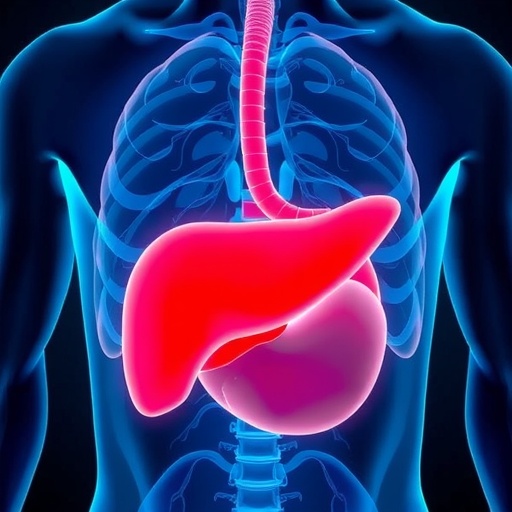
In recent years, the intersection of metabolic conditions and diabetes has garnered significant attention, particularly the implications of Metabolic Dysfunction-Associated Steatohepatitis (MASH) in patients with Type 2 diabetes. A groundbreaking study conducted by Gbadamosi et al. sheds light on the risk factors associated with microvascular and macrovascular complications in this cohort. The retrospective analysis focuses on patients diagnosed with both Type 2 diabetes and MASH, unveiling crucial insights into their health outcomes and associated risks.
The findings from this study underscore a pressing concern in the realm of diabetes management. MASH, characterized by the accumulation of fat in the liver alongside inflammation and fibrosis, presents unique challenges for individuals living with Type 2 diabetes. The research emphasizes the correlation between these two conditions, indicating that patients with both diagnoses face an elevated risk of severe health complications. These findings not only broaden the understanding of diabetes-related conditions but also initiate a dialogue about the need for tailored therapeutic approaches.
Moreover, the study provides a detailed examination of the microvascular complications, such as retinopathy, nephropathy, and neuropathy, which are prevalent among those with concurrent Type 2 diabetes and MASH. The implications of these complications extend beyond individual health, with potential repercussions for healthcare systems due to the increasing patient burden. As healthcare providers confront this dual threat, it becomes increasingly important to identify at-risk populations for proactive management and intervention strategies.
One of the standout features of this research is its retrospective cohort design, which assembles a substantial database of patient records. This methodology enables the authors to draw robust conclusions based on real-world data, offering a more nuanced understanding of how MASH interacts with diabetes. By analyzing patient demographics, clinical outcomes, and treatment regimens, the authors uncover patterns that could inform future clinical practice and research direction.
Furthermore, Gbadamosi et al. highlight the pathophysiological mechanisms linking MASH and Type 2 diabetes. The liver plays a pivotal role in glucose homeostasis and metabolism, and disturbances in this organ’s function can compound the effects of diabetes. This relationship raises significant questions about the management of these diseases in tandem. A deeper understanding of these interactions will be essential for developing effective therapeutic strategies that address both conditions simultaneously.
In terms of public health, the findings of this study resonate strongly with the ongoing efforts to tackle the obesity epidemic. As obesity rates rise, so too do the cases of diabetes and liver disease. This triangle of health issues poses a significant challenge to healthcare professionals and policymakers alike. The research from Gbadamosi et al. calls for increased awareness of the metabolic implications of Type 2 diabetes management, particularly in populations that are already at significant risk for liver-related complications.
The implications of this research extend beyond clinical settings and into the community. Education and awareness initiatives must prioritize the understanding of MASH among individuals at risk for Type 2 diabetes. By fostering a greater understanding of the potential complications stemming from these connected conditions, patients can become empowered advocates for their health, promoting early intervention and comprehensive management plans.
The economic burden of diabetes-related complications is another vital consideration highlighted by the authors. The study reflects the increasing costs associated with managing multiple comorbidities, which can overwhelm healthcare resources. As the prevalence of Type 2 diabetes continues to grow globally, understanding the financial implications of associated complications, such as MASH, becomes even more critical for health systems. This research could prove pivotal in advocating for policy changes that prioritize preventive healthcare and the early management of at-risk populations.
As the scientific community grapples with the complexities of metabolic disorders, the study by Gbadamosi et al. serves as a clarion call for further research. The elucidation of risk factors and outcomes associated with MASH and Type 2 diabetes is not merely an academic exercise; it has profound implications for patient management and health policies. Investigating these interrelations will enhance the collective knowledge within the medical community, paving the way for innovative treatments and preventive measures.
Moreover, exploring longitudinal data may provide valuable insights into how these complications develop over time. Understanding the natural history of patients with both Type 2 diabetes and MASH could lead to more refined risk stratification and targeted interventions. Early detection and management of MASH in diabetic patients may significantly reduce the incidence of associated complications, translating into improved patient outcomes and lower healthcare costs.
In summary, the retrospective cohort study by Gbadamosi et al. is a significant contribution to the field of diabetes and metabolic disorders. By focusing on the intersection of Type 2 diabetes and MASH, this research sheds light on the myriad challenges faced by affected individuals. The findings underscore the need for a collaborative approach among healthcare providers, researchers, and public health advocates to address the growing burden of these interconnected health issues.
Addressing the challenges posed by MASH and Type 2 diabetes requires a multifaceted approach, incorporating clinical endeavors, patient education, and policy initiatives. As the landscape of metabolic health continues to evolve, the insights derived from this study will undoubtedly influence future research and intervention strategies aimed at tackling one of the most pressing health dilemmas of our time.
In conclusion, the research conducted by Gbadamosi et al. is a significant step forward in understanding the complexities surrounding Type 2 diabetes and its association with MASH. This study provides crucial insights that hold promise for shaping future clinical guidelines and improving patient care, ultimately aiming to reduce the associated burden of both microvascular and macrovascular complications in this vulnerable patient population.
Subject of Research: The risk of microvascular and macrovascular complications in patients with Type 2 diabetes and metabolic dysfunction-associated steatohepatitis (MASH).
Article Title: Risk of Microvascular and Macrovascular Complications in Patients with Type 2 Diabetes and Metabolic Dysfunction-Associated Steatohepatitis: A Retrospective Cohort Study.
Article References:
Gbadamosi, S.O., Shi, D., Aly, A. et al. Risk of Microvascular and Macrovascular Complications in Patients with Type 2 Diabetes and Metabolic Dysfunction-Associated Steatohepatitis: A Retrospective Cohort Study. Diabetes Ther (2025). https://doi.org/10.1007/s13300-025-01831-7
Image Credits: AI Generated
DOI: https://doi.org/10.1007/s13300-025-01831-7
Keywords: Type 2 Diabetes, Metabolic Dysfunction-Associated Steatohepatitis, Microvascular Complications, Macrovascular Complications, Healthcare Policy, Patient Management.


