

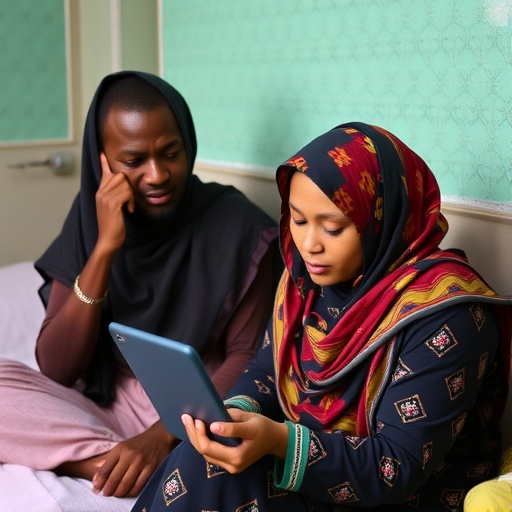
In the realm of healthcare, the experiences and perceptions of diverse communities often reveal significant disparities, particularly regarding access to essential services such as occupational therapy. A comprehensive study on the Somali community in the UK conducted by Atwal, Gawde, Hassan, and their colleagues shines light on the intricate dynamics shaping the perception and accessibility of occupational therapy within this demographic. This investigation not only addresses the cultural barriers confronted by members of the Somali community but also scrutinizes the systemic challenges that hinder their access to vital healthcare resources.
Occupational therapy, which focuses on helping individuals regain or develop the skills needed for daily living, is often underutilized in marginalized communities. The Somali population in the UK, a group marked by unique cultural practices and traditions, presents a distinctive case for examining the multifaceted barriers to accessing these services. Despite the documented benefits of occupational therapy, many Somali individuals remain unaware or skeptical about its value, often stemming from cultural stigmas and misunderstandings regarding mental health and rehabilitation practices.
One of the most significant findings of the study highlights the pervasive cultural barriers that permeate the Somali community’s approach to healthcare and, more specifically, to occupational therapy. Many Somalis are influenced by cultural narratives that emphasize self-reliance and traditional healing practices. This reliance on informal support systems often leads to a reluctance to seek professional therapy services. Consequently, individuals might misinterpret therapy as a sign of weakness or a failure to cope independently, which further exacerbates their hesitance to engage with occupational health professionals.
Language accessibility poses another formidable barrier. Many Somali individuals in the UK may not speak English fluently, which can lead to misunderstandings during consultations with healthcare providers. This lack of proficiency can create a stark disconnect between patients and practitioners, who might inadvertently overlook the specific needs and preferences of Somali patients. The study underscores the necessity for culturally competent care that acknowledges and adapts to the linguistic needs of diverse populations.
Furthermore, the examination of systemic challenges reveals that institutional biases and unequal power dynamics within the healthcare system often disproportionately affect minority communities. For the Somali community, experiences of discrimination or cultural insensitivity can significantly deter individuals from pursuing necessary occupational therapy services. The study underscores the urgent need for healthcare policies that prioritize inclusivity and equity, ensuring that all individuals receive respectful and appropriate care regardless of their cultural background.
In addition to cultural and systemic barriers, the researchers also note the critical role of social networks within the Somali community. Family and community perceptions significantly influence individual decisions about healthcare. If influential figures within the community downplay the benefits of occupational therapy or prioritize traditional methods, the entire community may adopt similar views. This phenomenon reinforces the cycle of underutilization of occupational therapy services, making outreach efforts crucial to shifting perceptions.
The findings of this study serve as a pivotal call to action for healthcare providers and policymakers. To facilitate better access to occupational therapy services for the Somali community, there is a pressing need for targeted educational initiatives that dispel myths surrounding therapy while highlighting its importance and relevance. Such initiatives should not only aim to inform potential patients but also equip healthcare professionals with the cultural competence required to engage effectively with Somali individuals.
In the context of service delivery, the researchers propose the integration of community health workers who can bridge the gap between Somali patients and healthcare systems. These workers, often viewed as trusted members of the community, can help demystify occupational therapy and provide invaluable support in navigating the healthcare landscape. Their involvement could foster a more welcoming environment that encourages individuals to embrace available therapeutic options.
Moreover, collaborative efforts between healthcare providers and community organizations represent a promising avenue for improving access to occupational therapy services. By partnering with local groups, healthcare systems can tailor their interventions to address the specific cultural needs of the Somali community. Such collaborations can extend beyond mere service delivery, creating a platform for sustained engagement and advocacy that empowers community members to take charge of their health choices.
Ultimately, the study emphasizes that addressing the barriers faced by the Somali community requires a multifaceted approach that combines cultural understanding, systemic change, and community involvement. By collectively acknowledging and tackling these challenges, healthcare providers can significantly improve the accessibility and effectiveness of occupational therapy services for Somali individuals. The future of inclusive healthcare hinges on our ability to listen, learn, and adapt to the unique needs of diverse populations.
In conclusion, the research conducted on the Somali community in the UK underscores the vital importance of understanding and addressing both cultural and systemic barriers to healthcare access. Through enhanced awareness, educational initiatives, and community engagement, it is possible to break down the walls that prevent individuals from seeking necessary occupational therapy services. As the healthcare landscape evolves, ensuring that all demographics receive equitable care remains paramount, and the insights from this research serve as a guiding light in that endeavor.
Subject of Research: Perceptions and access to occupational therapy services among the Somali community in the UK.
Article Title: Perceptions of and access to occupational therapy services among the Somali community in the UK: cultural barriers and systemic challenges.
Article References:
Atwal, A., Gawde, V.C., Hassan, F. et al. Perceptions of and access to occupational therapy services among the Somali community in the UK: cultural barriers and systemic challenges.
BMC Health Serv Res (2025). https://doi.org/10.1186/s12913-025-13896-y
Image Credits: AI Generated
DOI: 10.1186/s12913-025-13896-y
Keywords: Occupational therapy, Somali community, healthcare access, cultural barriers, systemic challenges, community health workers, inclusivity, healthcare policy.


