

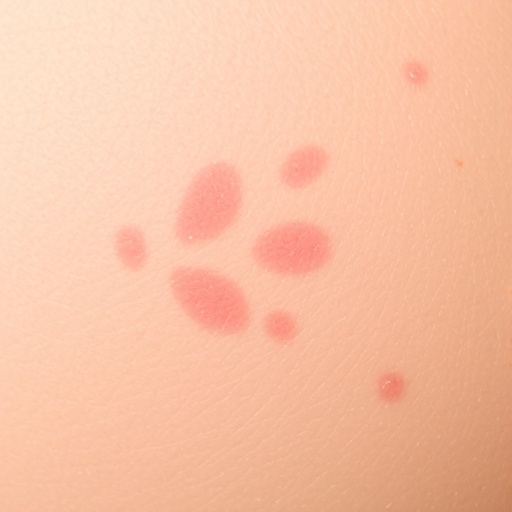
Cutis marmorata telangiectatica congenita (CMTC) is a rare and intriguing congenital vascular anomaly that continues to challenge clinicians and researchers alike. A groundbreaking systematic review recently published in Pediatric Research sheds new light on the complex clinical presentation, risk factors, and associated comorbidities of this enigmatic condition. The research team led by Kamholtz, Gaumond, and Schachner meticulously compiled and analyzed data from numerous case studies and clinical reports, constructing the most comprehensive profile of CMTC to date. Their findings not only deepen our understanding of the disorder but also raise important considerations for diagnosis and management.
CMTC predominantly presents at birth or during infancy, manifesting as a distinctive bluish-lilac, reticulated vascular pattern on the skin resembling a marbled or net-like appearance. This hallmark feature arises from persistent cutaneous vascular dilation and telangiectasias that fail to normalize postnatally. The researchers emphasize the variability in clinical presentation, noting that while the classic skin findings dominate, other features such as limb asymmetry, ulcerations, and localized atrophy frequently coexist. These diverse manifestations underscore the difficulty in early and accurate diagnosis and highlight the necessity for heightened clinical awareness.
In delving into risk factors, the review points to both intrinsic and possibly environmental influences contributing to CMTC. Although the condition is primarily considered sporadic, rare familial cases hint at underlying genetic predispositions. Current evidence, however, falls short of identifying definitive genetic mutations or pathways. Interestingly, some reports suggest associations with prenatal complications or exposures, although these are inconsistent and require further validation. This ambiguity reinforces the complexity of CMTC’s pathogenesis and the need for ongoing genetic and epigenetic research.
One of the most compelling aspects of this systematic review is the detailed scrutiny of comorbidities linked with CMTC. The condition appears far from being a mere cutaneous anomaly; it sometimes heralds a spectrum of systemic involvement. Vascular abnormalities can extend beyond the skin, with capillary malformations detected in muscles and internal organs in a subset of patients. Neurological associations, including developmental delays, seizures, and asymmetrical brain lesions, have also been reported, adding layers of clinical complexity. These observations challenge the previously held notion that CMTC is a purely superficial disorder.
Further complicating the clinical landscape is the frequent concurrence of musculoskeletal abnormalities alongside CMTC. Limb length discrepancies and hypoplasia reflect disrupted embryonic growth patterns, potentially linked to the underlying vascular derangements. Joint hypermobility and contractures further impair function in affected individuals. As the authors discuss, these musculoskeletal presentations significantly impact patients’ quality of life and necessitate multidisciplinary approaches encompassing dermatology, neurology, orthopedics, and rehabilitation services.
Histopathological analyses reviewed in the article reinforce the view that CMTC reflects aberrant vascular development. Skin biopsies reveal dilated capillaries and venules within the superficial dermis, often accompanied by perivascular fibrosis and minimal inflammatory infiltrate. Notably, the absence of endothelial cell proliferation distinguishes CMTC from other vascular malformations and tumors such as hemangiomas. These distinctive histological features, combined with clinical findings, assist pathologists in confirming diagnoses with greater confidence.
The systematic review also addresses the natural history and prognosis of CMTC, highlighting a generally benign but variable clinical course. Many lesions improve with age, fading or becoming less conspicuous with time, likely due to vascular remodeling. Nonetheless, persistent or progressive cutaneous changes, ulcerations, and systemic complications necessitate ongoing monitoring. The authors call attention to the paucity of long-term follow-up studies, emphasizing an urgent need for prospective registries and standardized outcome measures to better guide therapeutic decision-making.
Therapeutic interventions remain largely supportive and symptomatic, tailored to individual manifestations. Compressive therapy and skin care are primary for managing skin lesions and preventing complications such as ulceration and infection. For functional deficits arising from limb discrepancies or contractures, physical therapy and orthopedic interventions are vital. Emerging vascular-targeted therapies including laser treatments and pharmacological agents hold promise, but the literature remains sparse and calls for rigorous clinical trials.
Of considerable interest to the biomedical community is the potential overlap and differential diagnosis of CMTC with other vascular anomalies such as Klippel-Trenaunay syndrome and Sturge-Weber syndrome. The review carefully delineates clinical and radiologic distinctions crucial for appropriate categorization. Accurate diagnosis is imperative not only for prognosis but also for familial counseling and genetic studies, which remain nascent yet promising areas.
In assembling this exhaustive synthesis, Kamholtz and colleagues employed stringent inclusion criteria, encompassing published peer-reviewed case reports, case series, and cohort studies. The meta-analytical approach, combined with qualitative assessments, provides a robust evidence base—albeit limited by the relative rarity of the condition and heterogeneity in reported data. Nonetheless, this work sets a high standard and serves as a definitive reference point for clinicians and researchers engaged with CMTC.
The authors propose several future directions critical for advancing the field. Foremost is the establishment of international collaborative registries to gather comprehensive, standardized clinical data. Advancements in genetic sequencing and molecular pathology are poised to unravel the enigmatic etiopathogenesis further. In parallel, exploring targeted therapeutic modalities founded on molecular insights could transform patient outcomes. This integrative vision aligns with precision medicine paradigms increasingly embraced across pediatric vascular anomalies.
This landmark review not only enriches the medical community’s appreciation of cutis marmorata telangiectatica congenita but signals a pivotal shift toward holistic patient care. By synthesizing decades of fragmented knowledge into a coherent narrative, it empowers healthcare providers with enhanced diagnostic acumen and a framework for individualized management. Ultimately, the study exemplifies how systematic reviews can bridge gaps between rare disease research and clinical practice, fostering hope for improved quality of life in affected individuals.
###
Subject of Research: Clinical presentation, risk factors, and comorbidities of cutis marmorata telangiectatica congenita (CMTC)
Article Title: Clinical presentation, risk factors, and comorbidities of cutis marmorata telangiectatica congenita: a systematic review.
Article References:
Kamholtz, I., Gaumond, S.I., Schachner, L.A. et al. Clinical presentation, risk factors, and comorbidities of cutis marmorata telangiectatica congenita: a systematic review. Pediatr Res (2025). https://doi.org/10.1038/s41390-025-04588-8
Image Credits: AI Generated
DOI: https://doi.org/10.1038/s41390-025-04588-8


