

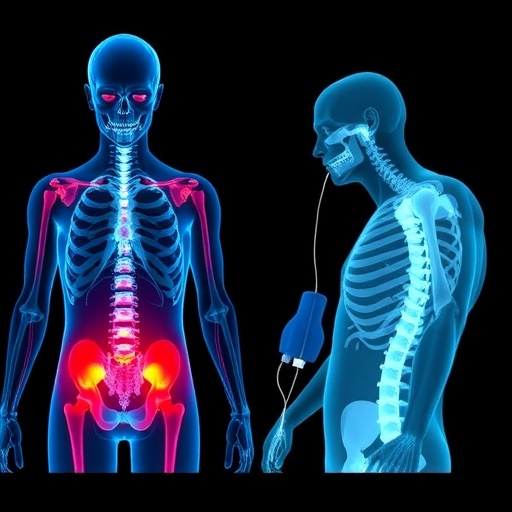
Polymyalgia rheumatica (PMR) is an inflammatory condition predominantly affecting older adults, marked by pain and stiffness in the shoulder and hip regions. The interplay between age, treatment, and recovery times has been under scrutiny, particularly in the context of tailoring therapeutic approaches for diverse demographic segments. In an illuminating study published in the European Geriatric Medicine journal, researchers Ösken and Tezcan delve into the intricacies of treatment regimens for PMR, focusing notably on the differential responses of younger and older patients. Their findings facilitate a deeper understanding of the nuances involved in managing this chronic ailment.
The study primarily investigates the critical question of how age influences both the time to remission and the dosage of steroids required for effective management of PMR. As PMR often presents in older populations, the importance of age-specific treatment protocols becomes increasingly apparent. The authors emphasize that while steroids are the first line of treatment, the metabolic and physiological differences across age groups could impact their effectiveness and the duration required to achieve remission.
Analysis within the study reveals that younger patients often exhibit a faster response to steroid therapy, with shorter times to remission when compared to their older counterparts. This difference is pertinent as it raises questions about the biological mechanisms underpinning recovery. It may be influenced by factors such as muscle mass, metabolism, and the presence of comorbid conditions that are more prevalent in older adults. The intricacies of these interactions suggest a need for nuanced strategies in pharmacological interventions, which could potentially alter the standard care protocols currently in place.
Steroid dosages present another layer of complexity in managing PMR across different age groups. The findings from Ösken and Tezcan’s research indicate that older adults, due to their unique physiological responses and existing health issues, generally require more meticulous dosing than younger patients. A higher initial dosage often becomes necessary for older adults to achieve comparable outcomes. However, this approach does carry the risk of pronounced side effects, which necessitates ongoing monitoring and dose adjustments based on individual responses throughout the treatment journey.
In terms of insights garnered from treatment persistence, the authors report that older patients often have longer trajectories to find effective relief. Coupled with often more significant baseline symptoms, many older individuals may struggle to return to their previous quality of life. Recognition of these delays in remission is crucial, not merely for clinical decision-making but also for setting realistic patient expectations throughout the treatment period. Open communication about potential timelines and anticipated outcomes can empower patients to remain engaged and hopeful as they navigate their recovery.
The study illuminates the inherent need for further research into tailored strategies that effectively cater to the heterogeneous patient demographic. As healthcare providers strive towards more personalized medicine, examining how variations in age and biology influence treatment efficacy is integral. The compelling evidence suggests that age-related factors should explicitly be integrated into existing clinical guidelines relating to PMR management.
Despite the encouraging findings, the authors caution against making sweeping generalizations that could lead to oversimplified treatment plans. Such approaches might overlook the complex individual patient profiles, thus necessitating a more granular understanding of both biological and psychosocial factors affecting recovery. The authors call for clinicians to approach each case with a comprehensive mindset, considering not just the age but the entire health profile of the person seeking treatment.
Observing the interdependencies within treatment regimens also reveals a recurrent theme: the importance of a multidisciplinary approach. The treatment of PMR does not lie solely within the domain of rheumatology but should also encompass principles from geriatrics, physical therapy, and perhaps even psychology. By integrating input from various specialists, healthcare teams can provide holistic care that addresses not only physical discomfort but also cognitive and emotional well-being.
This intricate web of interaction complicates the narrative of PMR treatment and indicates that research such as that published by Ösken and Tezcan is vital. The outcomes underscore a pivotal movement towards embracing a multifaceted view of PMR management—not merely as a physical ailment but as a condition requiring a diligent, patient-centered approach capable of adapting to the varying needs of individuals based on demographic characteristics.
In sum, Ösken and Tezcan’s exploration of the treatment differences for polymyalgia rheumatica patients based on age provides vital insights into the clinical management of this prevalent condition. It advocates for a recognition of the unique challenges faced by older patients, championing an evidence-based approach that prioritizes tailored therapeutic options. This study not only encourages existing practitioners to reconsider their therapy strategies but also lays the groundwork for future inquiries into optimal PMR treatment schemas across various age demographics.
As this research unfolds, it highlights an essential shift towards personalized care that is both responsive and adaptive. Continued dialogue and investigation into this topic will undoubtedly yield significant benefits for the thousands who grapple with PMR daily, ultimately enhancing their quality of life. Understanding the intricate dance of age, treatment efficacy, and recovery trajectories could well alter the landscape of PMR management, sparking a renaissance in how chronic inflammatory conditions are approached in the clinical setting.
Through this lens, the study offers a consequential contribution to the field of geriatric medicine and rheumatology alike. The findings extend beyond immediate clinical relevance, representing a step forward in addressing the complexities of aging populations that grapple with chronic diseases. In the broader milieu of healthcare, embracing such nuanced understandings will foster improvements in care delivery, ensuring that all patients, regardless of age, receive the optimal path toward wellness.
Subject of Research: Polymyalgia Rheumatica Treatment Based on Age
Article Title: Time to remission and steroid doses in older and younger patients with polymyalgia rheumatica.
Article References:
Ösken, S., Tezcan, M.E. Time to remission and steroid doses in older and younger patients with polymyalgia rheumatica.
Eur Geriatr Med (2026). https://doi.org/10.1007/s41999-025-01399-2
Image Credits: AI Generated
DOI: https://doi.org/10.1007/s41999-025-01399-2
Keywords: Polymyalgia Rheumatica, Treatment, Age, Steroids, Remission, Geriatric Medicine, Chronic Inflammatory Conditions.


