

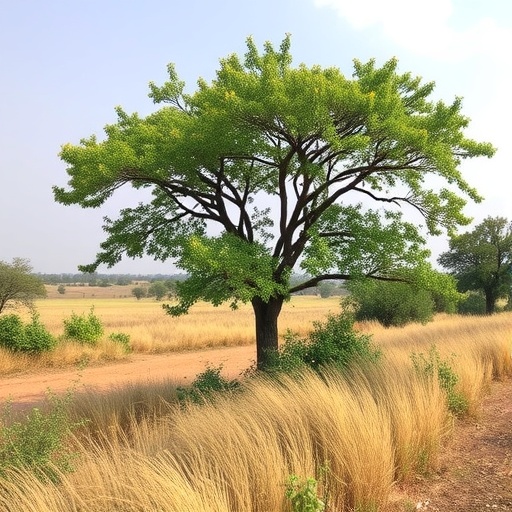
In the heart of Southern Malawi, local communities are grappling with the challenges and opportunities presented by the invasion of Prosopis species, a group of plants known for their rapid growth and adaptability. This article sheds light on the rich tapestry of community perspectives regarding these invasive species, examining both the threats they pose and the potential benefits they may offer. As environmental scholars Nkhata, Pangapanga-Phiri, and Jumbe delve into these complex dynamics, they reveal critical insights that are crucial for sustainable management strategies.
The spread of Prosopis species, particularly Prosopis juliflora, has garnered attention not only for its ecological impact but also for its socio-economic implications in the region. While these plants were initially introduced for their potential to provide fuelwood and fodder, they have since become a formidable presence, often outcompeting local flora. This displacement threatens biodiversity and alters local ecosystems, leading to concerns among conservationists and environmentalists alike.
In their research, the authors emphasize the importance of integrating local knowledge and perspectives into the management of invasive species. Communities possess invaluable insights that have been shaped by generations of interaction with their environment. Engaging these stakeholders in the decision-making process is crucial for developing strategies that are practical and culturally relevant. Local voices can significantly enhance the effectiveness of management practices, ensuring that they are not only scientifically sound but also socially accepted.
The researchers conducted extensive interviews and surveys within affected communities, uncovering a spectrum of views regarding Prosopis. Some individuals perceive these invasive plants as a resource, providing economic benefits such as income from charcoal production or livestock feed. Others, however, express frustration over the ecological degradation they witness in their surroundings, attributing reductions in agricultural yields and traditional forage availability to the encroachment of Prosopis.
This duality in perception highlights the complexity of managing invasive species, where the question of sustainability intertwines with socio-economic realities. Community members often find themselves caught in a paradox; while they may rely on Prosopis for immediate economic relief, they are simultaneously aware of the long-term detrimental effects that these species can have on their natural resources. This tension underscores the need for a multifaceted approach to invasion management that considers both ecological balance and human livelihoods.
Importantly, the research emphasizes the role of education and awareness in fostering effective community-led initiatives. Empowering local populations with knowledge about the ecological impacts of Prosopis, alongside training on alternative sustainable practices, can lead to innovative solutions. For instance, community workshops focused on the potential of using native species for fuelwood and fodder can illuminate paths toward restoring ecological balance while enhancing local livelihoods.
Furthermore, the authors advocate for collaboration among various stakeholders, including government agencies, NGOs, and academic institutions. Such partnerships can facilitate the sharing of resources, knowledge, and strategies for effective management of Prosopis species. This collaborative approach can harness diverse expertise, ensuring that interventions are holistic and encompass both ecological and social dimensions.
The discourse surrounding invasive species management is often laden with challenges, particularly in terms of policy implementation. Legislative frameworks must evolve to address the unique contexts of local communities, which may differ significantly from one region to another. The research highlights the necessity of flexible policies that recognize community rights and the importance of indigenous knowledge systems.
As the study progresses, it sheds light on successful case studies where community-led initiatives have made significant strides in managing invasive Prosopis populations. These examples serve as powerful testimonies to the potential of grassroots movements in driving sustainable change. By recognizing and supporting local leadership in these efforts, broader systemic shifts can occur that benefit both people and the environment.
The findings of Nkhata, Pangapanga-Phiri, and Jumbe are not only relevant to Southern Malawi but resonate with global conversations about invasive species management. As ecosystems worldwide continue to face similar challenges, the lessons drawn from this research offer a template for incorporating local perspectives into conservation efforts. The implications for policy reform and community engagement are profound, suggesting that successful management of invasive species often begins at the community level.
As attention turns to developing strategies for dealing with invasive Prosopis species, it becomes increasingly clear that the solutions must be rooted in collaboration, understanding, and mutual respect between local communities and external stakeholders. The path forward requires a commitment to fostering dialogue, building trust, and facilitating innovative solutions that are context-specific and inclusive of all voices.
Through the lens of community perspectives, the study by Nkhata and colleagues encapsulates the intricate connections between human societies and their environments. Addressing the issue of invasive species management is not merely an ecological endeavor; it is a deeply social one—one that invites us to rethink our approach to environmental stewardship and sustainability in the face of ever-evolving challenges.
This remarkable exploration of local community perspectives offers a glimpse into the future of conservation in Southern Malawi and beyond. By focusing on collaborative, community-centered approaches to invasive species management, we can pave the way toward a more sustainable and harmonious coexistence with nature.
As these conversations evolve, we are reminded that the fight against invasive species is not only about preserving biodiversity but also about nurturing the resilience of communities that depend on these ecosystems. The story of Prosopis in Southern Malawi serves as a powerful reminder that the path to sustainability is paved with local knowledge, collaboration, and shared visions for a healthier planet.
By highlighting the intricate dynamics of community perspectives, this research positions itself at the forefront of a growing body of work that seeks to redefine our relationship with nature. As the challenges posed by invasive species continue to mount, the integration of local insights into management strategies may well hold the key to forging effective solutions that honor both people and the environment.
As we stand on the brink of a changing ecological landscape, the insights gleaned from this study urge us to rethink our approaches to invasive species management. It calls for a recognition of local voices and an appreciation for the wisdom they contain, as we collectively work towards a sustainable future that respects both human and ecological needs.
As this important conversation continues to unfold, we must remain vigilant, adaptive, and responsive to the complexities of our environment. A harmonious balance between nature and human activity is not merely desirable; it is essential for our survival and for the preservation of the world’s rich biodiversity.
Through the lens of local community perspectives, the path to managing invasive Prosopis species becomes illuminated—a journey that holds both challenges and opportunities, deeply rooted in the land and its people.
Subject of Research: Community perspectives on managing invasive Prosopis species in Southern Malawi.
Article Title: Local community perspectives in managing invasive Prosopis species in Southern Malawi.
Article References:
Nkhata, M.J., Pangapanga-Phiri, I. & Jumbe, C. Local community perspectives in managing invasive Prosopis species in Southern Malawi.
Discov Sustain (2026). https://doi.org/10.1007/s43621-025-02553-3
Image Credits: AI Generated
DOI: 10.1007/s43621-025-02553-3
Keywords: invasive species, Prosopis, community management, Southern Malawi, sustainability, conservation, biodiversity.


