

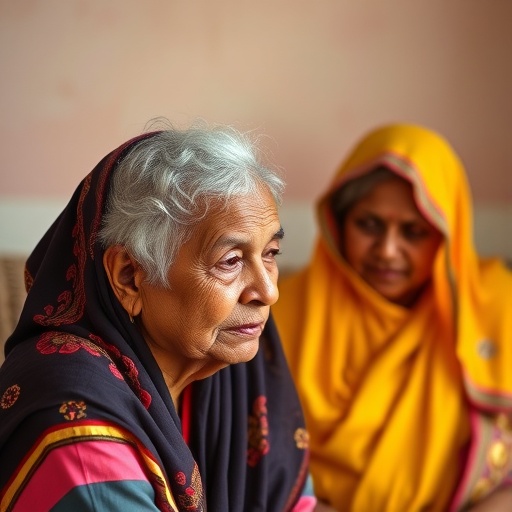
In a world facing the impending challenge of an aging population, understanding cognitive health among older individuals has grown increasingly critical. Recent research conducted in India has shed light on the prevalence and risk factors associated with cognitive impairment in older adults. The study, led by F. Biswas and M. Mustaquim, highlights an urgent public health concern that demands attention not only from researchers but also from policymakers and healthcare providers.
The importance of cognitive health in older age cannot be overstated. Cognitive impairment can lead to significant declines in individuals’ quality of life, impacting their ability to perform daily activities, engage with loved ones, and maintain independence. With India rapidly becoming an aging society, currently home to a burgeoning population of elderly individuals, the urgency of identifying vulnerable groups cannot be ignored. This research fills a gap by focusing specifically on the Indian context, providing invaluable insights that may inform national health strategies.
Through a cross-sectional study design, the authors collected data from a substantial sample of older adults across various regions in India. The methodology used involved standardized cognitive assessments alongside demographic, health-related, and psychosocial questionnaires. This multifaceted approach allowed for a comprehensive analysis of cognitive impairment alongside potential contributing factors.
One of the most compelling aspects of this research is the statistical findings on the prevalence of cognitive impairment among the participants. Alarmingly, a significant percentage of older adults were identified as experiencing varying degrees of cognitive decline. This high rate necessitates a reevaluation of current health initiatives and resources dedicated to the elderly population. Understanding the scope of cognitive impairment is the first step toward developing effective intervention strategies.
Moreover, the study meticulously examined numerous risk factors associated with cognitive decline, providing a nuanced understanding of the interplay between various elements such as socioeconomic status, education level, comorbid health conditions, and lifestyle choices. The findings underscore the importance of addressing not only the cognitive health of older adults but also the broader social and economic determinants affecting their well-being.
Education emerged as a particularly significant factor in the research. Those with higher levels of education displayed lower rates of cognitive impairment, suggesting that educational interventions may be vital for prevention. As India grapples with educational disparities, tailored programs to improve educational access for older adults may bridge the cognitive health gap and promote active aging.
Furthermore, comorbidities such as diabetes, hypertension, and cardiovascular diseases were identified as critical contributors to cognitive decline. The intersectionality of physical and cognitive health highlights the need for integrated healthcare approaches that consider the whole person rather than isolated conditions. This insight could inform healthcare policymakers to develop holistic models that enhance elder care services.
Additionally, the study delved into lifestyle factors, finding that physical activity, a balanced diet, and social engagement could mitigate the risk of cognitive impairment. Promoting active lifestyles among the elderly not only benefits cognitive health but also strengthens community ties. Public health campaigns that encourage exercise and socialization may play a crucial role in improving overall outcomes for the aging population.
As India continues to progress, urbanization and rapid technological changes contribute to shifting lifestyles that can either positively or negatively affect cognitive health. The researchers highlighted the dual nature of modern technology, which has the potential to either enhance social interactions or lead to increased isolation. Understanding these dynamics can help in crafting policies that leverage technology while safeguarding against its adverse effects.
The emotional and psychological aspects of aging were also examined, highlighting the role of mental health in cognitive impairment. Anxiety and depression among older adults can signal an increased risk of cognitive decline, emphasizing the importance of mental health services tailored specifically for this demographic. Addressing mental health alongside cognitive health can lead to more effective prevention and intervention strategies.
The implications of this study extend beyond the borders of India. As other countries face similar demographic transitions, the findings could inspire comparative research and international collaborations. Global learning could foster the sharing of best practices and innovations in addressing cognitive health challenges that transcend cultural and geographic boundaries.
Furthermore, as healthcare systems worldwide prepare for an increased prevalence of cognitive impairments due to aging populations, the recommendations from this study could pave the way for evidence-based policies. Enhancing screening for cognitive decline and increasing accessibility to preventive health measures will be vital in managing future health crises related to aging.
In conclusion, the research conducted by Biswas and Mustaquim underscores an urgent need to prioritize cognitive health in aging populations, particularly in diverse settings like India. The implications of their findings call for multi-faceted approaches that integrate education, health care, and lifestyle interventions to combat cognitive impairment. As the world continues to age, the lessons learned from this study could prove invaluable in fostering healthier, more engaged older adults across the globe.
Subject of Research: Cognitive Impairment and Its Risk Factors Among the Aging Population in India
Article Title: Prevalence and Risk Factors of Cognitive Impairment Among the Aging Population in India: A Cross-Sectional Study
Article References: Biswas, F., Mustaquim, M. Prevalence and Risk Factors of Cognitive Impairment Among the Aging Population in India: A Cross-Sectional Study. Ageing Int 50, 47 (2025). https://doi.org/10.1007/s12126-025-09626-8
Image Credits: AI Generated
DOI: https://doi.org/10.1007/s12126-025-09626-8
Keywords: Cognitive Impairment, Aging, India, Risk Factors, Public Health


