

A groundbreaking study from Lund University reveals that adopting an environmentally sustainable diet, such as the EAT–Lancet diet, not only benefits the planet but also supports nutritional adequacy far beyond initial scientific expectations. Contrary to previous concerns suggesting that diets lower in meat and animal products might cause nutrient deficiencies, this comprehensive research shows that individuals adhering closely to the EAT–Lancet guidelines maintain a nutritional status comparable to those consuming typical Western diets with higher meat intake.
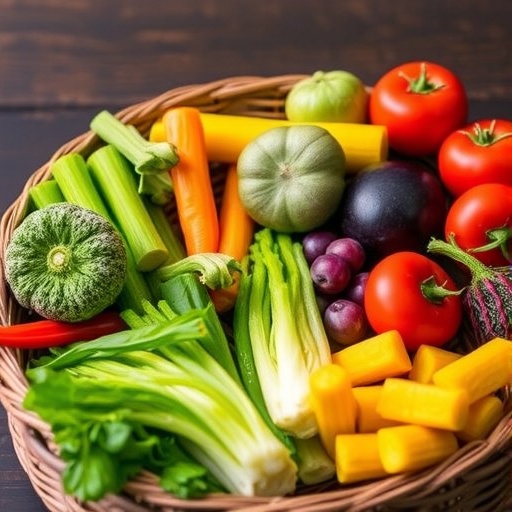
The EAT–Lancet diet, developed as a global benchmark for healthy and sustainable eating, emphasizes a plant-centric approach abundant in wholegrains, fruits, vegetables, and legumes, with limited consumption of animal products. Its proposed meat intake is notably less than the current recommendations of the Swedish Food Agency, marking a paradigm shift in dietary guidelines globally. This shift aims to reduce environmental footprints while promoting human health, an intersection often overlooked in traditional nutritional advice.
Anna Stubbendorff, a dietitian and doctoral researcher at Lund University’s Faculty of Medicine, spearheaded the analysis using data derived from the extensive Malmö Diet and Cancer Study cohort. This longitudinal dataset tracks the dietary patterns and health outcomes of approximately 26,000 participants over several decades. Evaluating both self-reported food intake and blood-based nutritional biomarkers, the study lends unprecedented rigor to the assessment of nutritive adequacy amid changing dietary landscapes.
One notable finding is the higher circulating levels of folate among participants following the climate-friendly diet, suggesting enhanced intake or absorption of B vitamins despite reduced animal product consumption. However, a slight increase in anemia risk, particularly iron deficiency anemia among women, was observed. While the absolute difference between diet groups was modest, Stubbendorff proposes fortification strategies or targeted supplementation for at-risk groups to mitigate this issue without compromising the overall benefits.
The biochemical data collected complements intake records by validating the physiological impact of dietary patterns on nutrient status. Biomarkers such as vitamin D, zinc, selenium, and hemoglobin concentration were scrutinized, revealing no significant deficits associated with adherence to the EAT–Lancet diet. This insight underscores the body’s adaptive mechanisms in nutrient absorption and homeostasis, which may optimize uptake under diverse dietary conditions.
Beyond nutrient status, the research probes the linkage between environmentally sustainable diets and chronic disease susceptibility. Analysis indicates that individuals closely following the EAT–Lancet diet exhibited an approximate 33% reduction in the relative risk of cardiovascular mortality. Furthermore, overall premature death risk declined by around 25%, with cancer-related mortality mirroring this trend. While these associations do not establish causation, they highlight potential synergistic benefits of dietary patterns aligned with planetary health metrics.
Swedish dietary habits pose a significant challenge in this context, as current consumption patterns are heavily biased towards meat and dairy products, placing Sweden near the lower end of global sustainability rankings based on per capita greenhouse gas emissions from food. The average Swede consumes about 680 grams of meat weekly, well above the recommended 90 grams posited by the EAT–Lancet diet, underscoring an urgent need for dietary reform at the population level.
The study further integrates an environmental assessment by quantifying the greenhouse gas emissions associated with participants’ diets throughout the food supply chain. Individuals with higher dietary emissions faced a 38% increased risk of developing type 2 diabetes compared to those with lower-impact diets, solidifying links between diet-related environmental impacts and metabolic health outcomes.
Stubbendorff acknowledges methodological challenges inherent to nutritional epidemiology, particularly in accurate dietary assessment. However, the use of multifaceted data collection techniques—food diaries, questionnaires, and interviews—and the extensive follow-up period lends robustness to the findings. These attributes mitigate common limitations such as recall bias and single time-point dietary snapshots.
This research not only advances scientific understanding of the health-environment nexus but also offers pragmatic insights for policymaking. Revising dietary guidelines to reflect sustainability imperatives without compromising nutrient sufficiency could potentially transform public health landscapes while mitigating climate change impacts. Considerations such as portion size, food waste reduction, and promoting wholegrains and legumes emerge as critical levers in this transformation.
As the food production sector accounts for a substantial fraction of global greenhouse gas emissions, freshwater use, and biodiversity loss, aligning human diets with sustainability goals becomes ever more urgent. The study’s findings suggest that such alignment is possible without nutritional trade-offs, offering a pathway to achieving the United Nations’ Sustainable Development Goals by fostering healthful, planetary-conscious food systems.
Anna Stubbendorff’s pioneering work thus reinforces the feasibility of delicious, nourishing, and sustainable diets—dispelling myths around nutrient deficits linked to reduced meat consumption and illustrating tangible health benefits alongside environmental stewardship. This evidence bolsters the scientific foundation necessary for societal shifts in eating behaviors at scale.
As policy-makers and health experts grapple with the complexities of diet-related climate strategies, these findings urge courage and decisiveness in reshaping food guidelines. The co-benefits for human health and planetary well-being are clear, inviting a new era of dietary recommendations rooted in integrative science and holistic sustainability.
Subject of Research: People
Article Title: Nutritional adequacy of the EAT-Lancet diet: a Swedish population-based cohort study
News Publication Date: 12-Feb-2026
Web References: 10.1016/j.lanplh.2025.101416
Image Credits: Adam Haglund, Apelöga
Keywords: EAT-Lancet diet, sustainability, nutrition, cardiovascular disease, diabetes risk, plant-based diet, nutrient adequacy, environmental impact, dietary guidelines, public health


