

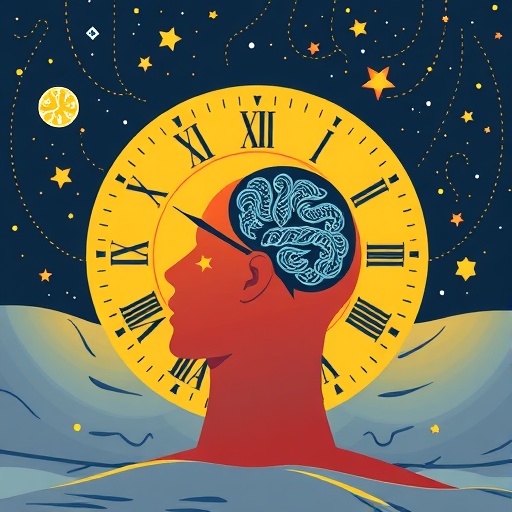
Circadian rhythms, the natural cycles that regulate sleep and wakefulness, have long fascinated scientists, particularly in their role in mental health. A recent study published in Discov Ment Health by researchers Propper, Kang, and Sawyer delves into the intricate relationship between circadian rhythm disruptions and self-diagnosed mental illness. This research is timely and significant as it bridges the gap between biological rhythms and mental health issues that are increasingly prevalent in today’s fast-paced society.
The human body operates on an internal clock that governs numerous physiological processes, including sleep patterns, hormonal fluctuations, and even metabolic functions. Disruptions to these circadian rhythms, whether they stem from irregular sleep schedules, exposure to artificial light, or lifestyle changes, can lead to profound implications for psychological well-being. The study posits that individuals who experience disruptions in their circadian rhythms may be more prone to self-diagnosing mental health conditions, such as anxiety and depression.
One fascinating aspect of this research is its exploration into how these disruptions are not simply markers of mental illness but may also contribute to the onset or exacerbation of symptoms. The authors suggest that irregular sleep patterns can lead to mood instability, impaired cognitive function, and heightened stress responses. This impacts an individual’s ability to cope with daily challenges, thus creating a cycle where mental health deteriorates further due to poor sleep quality.
Researchers have previously identified a biochemical connection between circadian regulation and mood disorders. Hormones such as cortisol, known for their role in the body’s stress response, follow a circadian pattern, peaking and declining at specified intervals throughout the day. An imbalance in these rhythms can lead to mood disturbances, wherein individuals may react to daily stressors more intensely. Thus, understanding the implications of disrupted circadian rhythms is not merely scientific inquiry; it’s foundational to addressing mental health comprehensively.
Additionally, the phenomenon of self-diagnosis in mental health is gaining attention as individuals increasingly turn to the internet and social media for information. The authors emphasize that self-diagnosis can be problematic because it might overlook the nuanced interplay of various factors contributing to an individual’s mental state. Accordingly, it emphasizes the need for professional evaluation and intervention. However, this study draws attention to the importance of recognizing potential indicators of mental health issues stemming from disruptions in circadian rhythms.
This connection has profound implications for mental health interventions, particularly in light of our modern lifestyles. The societal shift towards 24/7 work environments and the pervasive use of digital devices has undoubtedly altered sleep patterns for the majority. Awareness of the risks associated with consistent circadian disruptions can empower individuals to make more informed choices about their health. Emphasizing structured routines is crucial in mitigating the adverse effects on mental well-being.
The study also raises questions about potential therapeutic approaches to enhance mental health. If circadian rhythm stability can improve or prevent mental health issues, interventions such as light therapy, sleep hygiene education, and lifestyle modification can be significant. Research indicates that exposure to natural light during the day, coupled with the reduction of artificial light at night, could re-establish more regular circadian patterns, potentially improving mood and reducing feelings of anxiety.
Understanding the neurobiological underpinnings of this relationship is essential in forging pathways towards more effective treatment methodologies. Circadian rhythms influence neurotransmitter activity which, in turn, plays a role in mood regulation. Engaging in activities that promote natural circadian alignment might counteract some of the adverse mental health outcomes linked to irregular sleep and wake patterns.
The social implications of this finding are also noteworthy. In today’s world, working professionals, students, and others must manage numerous commitments, often at the expense of their sleep and mental health. This dynamic calls for a cultural shift towards valuing wellness, where individuals prioritize sufficient rest alongside productivity. Schools, workplaces, and communities should come together to foster environments that encourage maintaining balanced circadian rhythms.
As we continue to dissect the specifics of this research, its implications extend beyond individual health. Public health policies must consider the societal impact of circadian rhythm disruptions on collective mental health. This may involve advocating for new regulations that enforce work-life balance in professional fields or rethinking educational structures that demand rigid schedules on adolescents. The essence of our findings could inspire a movement toward a healthier, more cognizant society.
The urgency of this research is underscored by the growing recognition of mental health as a critical public issue. By aligning our understanding of circadian rhythms with mental health awareness, we can potentially create a framework that addresses these challenges holistically. Moving forward, continued exploration into causal links between circadian disruption and mental health should be a priority in scientific inquiry, informing both practitioners and policymakers about necessary changes.
This study’s conclusions add an important dimension to our understanding of mental health and the need for greater awareness of how lifestyle choices impact psychological well-being. As the world wrestles with many challenges impacting mental health, this research sheds light on an accessible and meaningful target for intervention. Addressing circadian rhythm disorders could be a game-changer in the quest to improve mental health outcomes for many individuals navigating their lives.
To summarize, the connection between circadian rhythm disruption and self-diagnosed mental illness highlights a crucial area of consideration in our approach to psychological wellness. With a greater emphasis on aligning our lifestyles with our biological clocks, we can take significant strides towards fostering healthier mental states and improving overall quality of life in an increasingly complex world.
Subject of Research: Circadian Rhythm Disruption and Self-Diagnosis of Mental Illness
Article Title: Circadian Rhythm Disruption is Related to Self-Diagnosis of Mental Illness
Article References:
Propper, R.E., Kang, J. & Sawyer, M. Circadian rhythm disruption is related to self-diagnosis of mental illness.
Discov Ment Health (2025). https://doi.org/10.1007/s44192-025-00337-9
Image Credits: AI Generated
DOI: 10.1007/s44192-025-00337-9
Keywords: Circadian rhythms, mental health, self-diagnosis, sleep disorders, psychological well-being, light therapy, lifestyle modifications.


