

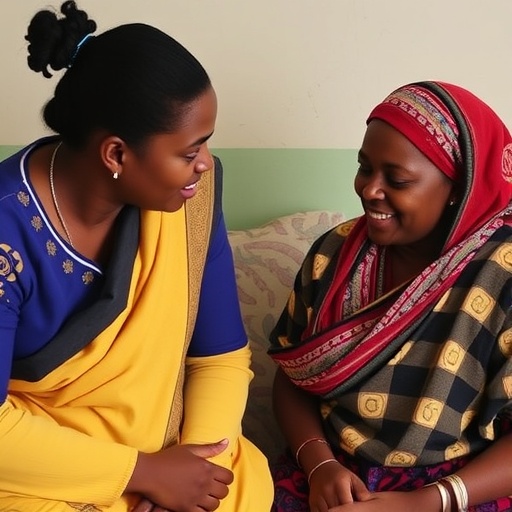
The quality of life among caregivers of psychiatric patients has emerged as a critical area of research, particularly within the context of developing nations. A recent study conducted in Ethiopia sheds light on the multifaceted dimensions of caregiver experiences in tertiary care settings, revealing significant insights into the factors that influence their well-being. This examination is timely and crucial, considering the increasing prevalence of mental health disorders and the subsequent burden placed on families and caregivers.
This investigation underscores that caregiving extends well beyond the act of providing physical support or managing medical needs. It encapsulates emotional, psychological, and social dimensions, which profoundly affect the caregiver’s quality of life. The relationships between caregivers and psychiatric patients often carry immense responsibilities that can evoke feelings of stress, anxiety, and isolation. Thus, understanding these dynamics is essential for improving not only the caregivers’ well-being but also the quality of care provided to patients.
The study identifies a variety of factors that influence caregivers’ quality of life. Among these, the emotional burden stands out prominently. Caregivers commonly encounter overwhelming emotional stress, which manifests as anxiety and depression. The need to manage their emotions while providing support to a loved one with mental health issues can be incredibly taxing. This emotional journey often leads to a significant reduction in life satisfaction, raising alarms among healthcare professionals about the need for adequate support systems.
Additionally, factors such as socioeconomic status, education, and access to mental health resources play pivotal roles in shaping caregivers’ experiences. The study emphasizes that many caregivers in Ethiopia face economic hardships that severely limit their ability to seek help or respite. The lack of financial resources can lead to an endless cycle of stress and diminished quality of life, making it imperative to address these socioeconomic barriers through policy and community initiatives.
Furthermore, the research highlights the critical importance of social support networks in enhancing the quality of life for caregivers. Family and friends provide essential emotional and practical support, helping to alleviate some of the burdens associated with caregiving. However, the degree of social support varies widely across communities. In some circumstances, caregivers might feel isolated or stigmatized due to the nature of mental health issues, exacerbating their feelings of loneliness and despair.
The study also notes the impact of knowledge and education on caregivers’ experiences. Those who are more informed about mental health conditions and caregiving techniques are often better equipped to manage challenges effectively. This knowledge can empower caregivers, helping them to take proactive steps in seeking appropriate care for their loved ones while maintaining their own health. This empowerment is vital in breaking down feelings of helplessness that many caregivers experience.
Another striking finding of the research is the psychological toll linked to societal attitudes toward mental health. In many cultures, including Ethiopia, mental health issues are still stigmatized, affecting not only the patients but also their caregivers. The societal perception of mental illness can lead to discrimination and exclusion, further isolating caregivers and impacting their mental well-being. Combating stigma through public awareness campaigns and education can significantly alter these perceptions and foster more supportive environments.
The findings of this study are not merely academic; they have practical implications for healthcare providers and policymakers alike. By recognizing the challenges faced by caregivers, healthcare systems can design interventions aimed at alleviating their burdens. Programs that provide counseling, support groups, and educational resources can empower caregivers, enabling them to thrive in their roles. It is essential for hospitals and mental health facilities to integrate caregiver support into their patient care frameworks.
In addition to institutional support, community involvement is crucial in creating a robust infrastructure that helps caregivers. Local organizations can play a vital role in implementing community-based programs tailored to meet the unique needs of caregivers. By fostering a sense of community, caregivers can connect with one another, share experiences, and provide mutual support, thus enhancing their overall quality of life.
Looking forward, it is fundamental that future research continues to explore the intricacies of the caregiver experience. Longitudinal studies could offer deeper insights into how caregiving impacts quality of life over time, while also investigating the effectiveness of various support interventions. Understanding these long-term implications is critical for developing sustainable solutions that promote caregiver well-being and mental health.
This study serves as a compelling reminder of the often-overlooked challenges faced by caregivers of psychiatric patients. It calls for a multifaceted approach to caregiving that includes emotional support, education, societal change, and systemic healthcare reforms. By prioritizing caregiver well-being, we can create a more compassionate and effective mental health care system that benefits both patients and those who care for them.
As we contemplate the findings, it becomes increasingly clear that caregivers are integral to the mental health landscape. Their experiences deserve attention, recognition, and action. Addressing the needs and enhancing the quality of life for caregivers will not only improve their personal outcomes but also transform the care patients receive, ultimately leading to a healthier society.
The journey toward improving the quality of life for caregivers is an ongoing one, but it begins with awareness and understanding. By advocating for caregiver needs and utilizing research findings like those from this study, we can begin to forge pathways to brighter futures for caregivers and psychiatric patients alike. This harmony is essential for building resilient communities that recognize mental health as a cornerstone of overall well-being.
The work of Abeje, Mogus, and Gebrehiwot is a testament to the importance of acknowledging and addressing the intricate dynamics involved in psychiatric caregiving. Their research not only contributes to academic discourse but serves as a clarion call for change in mental health policy, societal attitudes, and support systems globally. It is through these efforts that we can hope to create a landscape where caregivers are supported, acknowledged, and empowered in their invaluable roles.
Subject of Research: Quality of life and influencing factors among caregivers of psychiatric patients in tertiary care hospitals in Ethiopia
Article Title: Quality of life and influencing factors among caregivers of psychiatric patients in tertiary care hospitals in Ethiopia
Article References:
Abeje, E.W., Mogus, L.S., Gebrehiwot, E.H. et al. Quality of life and influencing factors among caregivers of psychiatric patients in tertiary care hospitals in Ethiopia.
Discov Ment Health (2026). https://doi.org/10.1007/s44192-026-00380-0
Image Credits: AI Generated
DOI: 10.1007/s44192-026-00380-0
Keywords: Caregiver quality of life, psychiatric patients, emotional burden, social support, mental health stigma, Ethiopia.


