

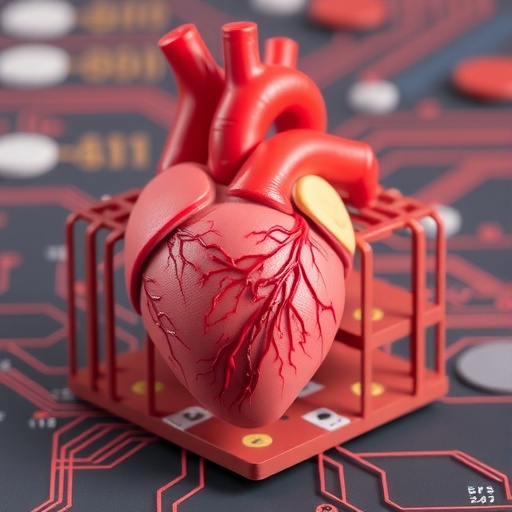
The advent of organ-on-a-chip platforms has brought about a transformative shift in the representation of cardiovascular pathophysiology, allowing scientists to delve deeper into the intricacies of disease mechanisms and pharmacological responses across a spectrum of inherited and acquired cardiovascular conditions. Traditional approaches, reliant on static in vitro culture systems and animal models, have frequently fallen short due to their limited biological relevance and the inherent differences that arise from differing species. These shortcomings have stifled the pace of innovation in cardiovascular research, creating an urgent call for more effective models that can accurately mimic human physiology and disease.
Heart-on-a-chip and vasculature-on-a-chip are at the forefront of this technological revolution. These sophisticated models boast three-dimensional structures that integrate a variety of cell populations, often sourced from pluripotent stem cells, to create more accurate representations of human cardiovascular tissues. By controlling electromechanical conditions and providing precise biochemical stimuli, these platforms cultivate functional, biomimetic microenvironments that closely resemble the physiological state of human cardiovascular systems. One of the most significant benefits of these models is their ability to recreate the dynamic interactions between various cell types found within the heart and blood vessels under normal and pathological conditions.
The heart-on-a-chip systems rigorously mimic the beating of heart tissues, capturing the electro-mechanical function akin to that of a living organism. These engineered tissues facilitate studies that simulate how heart cells respond to pharmacological compounds, and they can provide insights into the efficacy and safety of new drugs in ways that traditional models cannot. This is particularly crucial in the context of personalized medicine, where patient-specific models can provide tailored insights into drug responses, opening the door to more effective treatment strategies that are individualized to a patient’s unique cardiac profile.
Similarly, vasculature-on-a-chip models are pivotal in understanding the complexities of blood flow and vascular response under both healthy and diseased states. By recreating the structural and functional characteristics of blood vessels, these models allow researchers to study endothelial cell interactions, endothelial dysfunction, and the dynamics of thrombus formation. These critical insights are invaluable in the development of therapeutic strategies to combat conditions such as atherosclerosis and other vascular diseases that significantly contribute to morbidity worldwide.
Despite the promise held by organ-on-a-chip technology, several technical and biological hurdles remain. The manufacturing processes involved in creating these microscale systems can be complex, requiring sophisticated fabrication techniques that may not be widely accessible or standardized. Moreover, the integration of different cell types within these models to achieve realistic tissue architectures poses significant challenges. Achieving the right balance between various cell populations, their spatial arrangement, and functional integration is crucial in ensuring that the model accurately reflects human biology.
Biologically, the challenge resides in replicating the multifaceted interactions that occur within a living organism. For instance, how cells communicate through biochemical signals or how various cell types respond to mechanical forces exerted by blood flow needs further elucidation. Researchers are actively working to integrate biomechanical stimuli and replicate physiological conditions more accurately to enhance the biological relevance of these models. Advancements in materials science, microfluidics, and 3D bioprinting are promising avenues to overcome these difficulties, and researchers are optimistic that these advancements will facilitate broader applications of organ-on-a-chip technology.
Funding and resource allocation also play a crucial role in the establishment of these platforms in mainstream research and clinical settings. Collaborations between academic institutions, biotech startups, and pharmaceutical companies are essential for driving innovation. As organ-on-a-chip technology matures, creating shared platforms and open-access facilities may help democratize research, allowing a wider range of scientists to utilize these advanced tools in their studies.
Ethical considerations surrounding the use of human-derived cells in organ-on-a-chip technology cannot be overlooked. Pluripotent stem cells, particularly induced pluripotent stem cells (iPSCs), offer exciting possibilities for generating patient-specific models, but their acquisition and use also raise ethical questions regarding consent and genetic modification. Clear guidelines and policies will need to be established to govern the ethical use of these technologies in research to maintain public trust and scientific integrity.
The utilization of organ-on-a-chip platforms has already begun to yield promising results in both fundamental research and drug development. Various studies have employed these models to uncover new insights into congenital heart diseases, highlighting how specific genetic mutations influence cardiac function. Similarly, innovative studies have started to explore how these models can help decipher the complex pathways involved in myocardial infarction and heart failure, paving the way for novel therapeutic targets.
Notable advancements showcase the potential of organ-on-a-chip models in identifying drug responses. For example, research has revealed how specific heart-on-a-chip setups can predict adverse drug reactions that might not be evident in traditional animal models. By mimicking the human cardiovascular environment more closely, these platforms have the potential to streamline drug testing phases, reduce development times, and minimize the risk of late-stage failures during clinical trials.
In summary, organ-on-a-chip technology stands as a beacon of hope in revolutionizing cardiovascular research. The capability to create bespoke models that not only simulate disease conditions but also respond to therapeutic interventions marks a remarkable step toward personalized medicine. As scientists continue to refine these platforms, addressing technical, biological, and ethical challenges, the story of organ-on-a-chip technology is still being written – one that promises to unlock new realms of understanding in cardiovascular pathology and treatment strategies.
As this field progresses, the collaboration across multidisciplinary teams—encompassing bioengineering, materials science, and clinical medicine—will be crucial. This synergy can fast-track the translation of discoveries made in the laboratory to impactful clinical applications, ultimately reshaping the future of cardiovascular health and medicine for generations to come.
Subject of Research:
Article Title:
Article References: Khosravi, R., Radisic, M. Heart-on-a-chip and vasculature-on-a-chip platforms as models of cardiovascular disease. Nat Rev Cardiol (2026). https://doi.org/10.1038/s41569-026-01255-1
Image Credits: AI Generated
DOI:
Keywords:


