

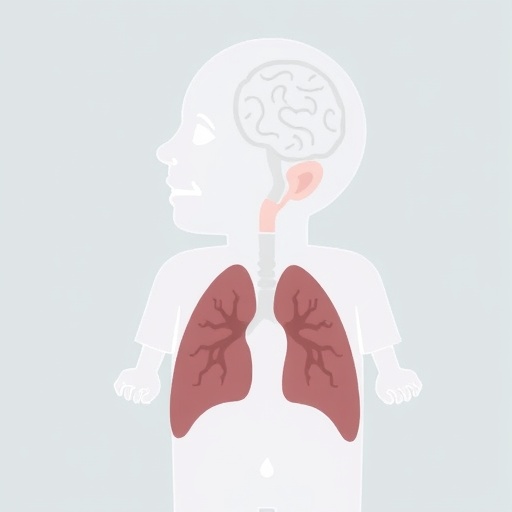
In a groundbreaking new study published in the Journal of Perinatology, researchers have uncovered compelling evidence linking the severity of bronchopulmonary dysplasia (BPD) in infants to an increased risk of neurodevelopmental disorders (NDD). Bronchopulmonary dysplasia, a chronic lung disease primarily affecting premature infants, has long been recognized for its respiratory complications and its association with cognitive impairments later in life. However, this latest research pioneers an in-depth investigation into how the gradations in BPD severity directly correlate with the likelihood of various neurodevelopmental challenges, offering a new perspective on early developmental risks.
Bronchopulmonary dysplasia arises when premature infants, often requiring prolonged oxygen therapy and mechanical ventilation, experience disrupted lung development, leading to chronic respiratory issues. These infants face not only physical challenges but also risk impairments in brain development, manifesting as cognitive delays, motor dysfunctions, and behavioral abnormalities. While previous studies have noted cognitive deficits associated with BPD presence, an understanding of how the severity of BPD influences the spectrum of neurodevelopmental outcomes has remained elusive—until now.
The research team hypothesized that as BPD severity escalates, so too does the risk of neurodevelopmental disorders. To test this, they analyzed a robust cohort of preterm infants stratified by standardized severity metrics of BPD—mild, moderate, and severe. By using comprehensive neurodevelopmental assessments conducted longitudinally, the study was able to meticulously track the progression and emergence of developmental anomalies against the backdrop of respiratory health status. This approach allowed for a granular understanding of the nuanced interplay between lung pathology and brain development.
Their findings reveal a striking dose-response relationship: infants classified with severe BPD exhibited substantially higher incidences of neurodevelopmental diagnoses compared to those with milder forms or no BPD at all. These disorders encompass a broad range of cognitive, motor, and behavioral impairments including attention deficit hyperactivity disorder (ADHD), autism spectrum disorders (ASD), and global developmental delays. This discovery underscores the importance of considering BPD beyond pulmonary outcomes, positioning it as a critical determinant of long-term neurological health.
Delving into the mechanistic underpinnings, the study discusses how chronic hypoxia, prolonged inflammation, and oxidative stress—hallmarks of severe BPD—may disrupt critical periods of neurogenesis and synaptic pruning in the developing brain. These pathophysiological processes can interrupt the establishment of vital neural circuits, thereby predisposing infants to cognitive and functional deficits. Furthermore, the frequent need for invasive respiratory support in severe BPD cases may compound brain injury through hemodynamic instability and inflammatory cascades.
An essential aspect of this study is the emphasis on early identification and intervention. By recognizing the direct correlation between BPD severity and NDD risk, clinicians can prioritize neurological monitoring alongside respiratory care in high-risk infants. The research advocates for integrating neurodevelopmental evaluations into routine follow-up protocols for infants diagnosed with moderate to severe BPD, enabling earlier therapeutic strategies to mitigate or ameliorate the impacts of neurodevelopmental disorders.
Technological advances in neuroimaging and biomarker discovery may also play a pivotal role in future approaches. The study highlights the potential for employing advanced MRI techniques to detect subtle brain abnormalities in BPD-affected infants, thereby refining prognostic assessments. Meanwhile, the quest for specific inflammatory or metabolic biomarkers could revolutionize screening, allowing for personalized medicine paradigms tailored to the individual risk profile conferred by BPD severity.
The implications of this research ripple beyond the clinical domain into public health policy and resource allocation. Given the increasing survival rates of extremely preterm infants due to advancements in neonatal care, the burden of chronic morbidities such as BPD and its neurological sequelae is poised to rise. As such, health systems worldwide must brace for a surge in demands for multidisciplinary interventions combining pulmonology, neurology, and developmental pediatrics—a call-to-action underscored by this compelling evidence.
Moreover, the study contributes to the urgent dialogue surrounding the optimization of neonatal intensive care practices. It suggests that minimizing invasive ventilation duration and adopting gentler respiratory support modalities may reduce BPD severity, thereby indirectly mitigating neurodevelopmental risks. This aligns with emerging paradigms focusing on neuroprotective strategies during the critical neonatal window, including caffeine therapy, erythropoietin administration, and targeted oxygen saturation protocols.
This research also fuels an ongoing debate about the precise mechanisms linking pulmonary pathology to brain development. While the inflammatory hypothesis stands prominent, alternative theories propose that shared genetic susceptibilities or environmental exposures such as prenatal infections may simultaneously predispose infants to BPD and NDD. Future investigations building upon this foundational work aim to disentangle these intertwined etiologies to develop more effective preventative and therapeutic interventions.
Importantly, the broad neurodevelopmental spectrum associated with BPD severity reported in this study calls for a holistic view of infant health. Neurodevelopmental disorders manifest variably, affecting speech, motor skills, cognition, and social interactions. Therefore, multidisciplinary rehabilitation programs encompassing physical therapy, speech-language pathology, and behavioral support must be integral components of post-discharge care for infants with significant BPD.
The study’s methodological rigor, employing prospective designs and validated neurodevelopmental instruments, strengthens the validity of its conclusions. However, the authors acknowledge limitations including potential confounders such as socioeconomic status and coexisting morbidities like intraventricular hemorrhage, which also influence developmental trajectories. Future multi-center studies with larger samples and more diverse populations are encouraged to confirm and expand upon these findings.
In sum, this pivotal research revolutionizes the understanding of bronchopulmonary dysplasia by illuminating its direct relationship with neurodevelopmental disorders in a severity-dependent manner. It calls for a paradigm shift in neonatal care where respiratory outcomes are no longer viewed in isolation but recognized as part of a complex interplay impacting lifelong neurological health. This fresh insight opens new avenues for early detection, intervention, and ultimately improved quality of life for vulnerable preterm infants.
As scientific communities and clinicians digest these findings, the quest continues to unravel the nuanced crosstalk between underdeveloped lungs and immature brains. The hope is that through integrated research, precision medicine, and compassionate care, the shadow of bronchopulmonary dysplasia on neurodevelopmental futures can be significantly diminished, offering new horizons of health and potential for the tiniest patients.
Subject of Research: The association between bronchopulmonary dysplasia severity and neurodevelopmental disorders in preterm infants
Article Title: The association between bronchopulmonary dysplasia severity and neurodevelopmental disorders
Article References:
Rueff, D.A., Gee, J., Ruddy-Humphries, A. et al. The association between bronchopulmonary dysplasia severity and neurodevelopmental disorders. J Perinatol (2026). https://doi.org/10.1038/s41372-025-02372-4
Image Credits: AI Generated
DOI: 10.1038/s41372-025-02372-4


