

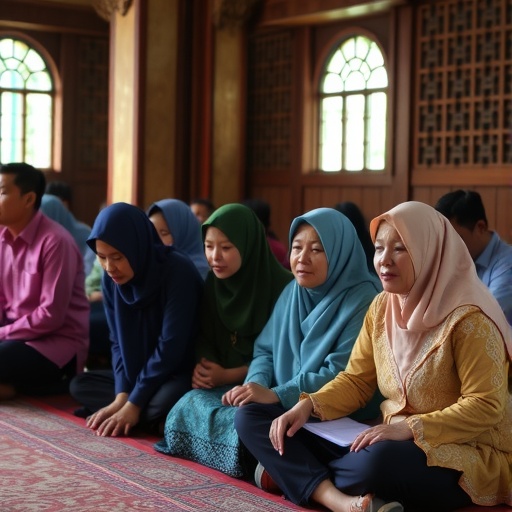
In the intersection of mental health and spirituality, a new study has emerged, illuminating the often overlooked connections between religious institutions and mental health practitioners in Indonesia. Conducted by a team of researchers led by Ahnaf M., alongside collaborators Prabandari Y. and Smith J., the study titled “Gaps and Links Between Religious Institutions and Mental Health Practitioners in Indonesia” is set to be published in the authoritative journal Pastoral Psychology in 2025. This groundbreaking research explores a crucial area where faith meets psychological well-being, especially in a culturally rich and diverse society such as Indonesia.
The study responds to an urgent need for integrated mental health care that acknowledges the significant role of religious institutions in the lives of many Indonesians. Mental health practitioners often encounter patients whose struggles and recovery journeys are deeply intertwined with their spiritual beliefs. However, there exists a gap in collaboration between these practitioners and religious organizations. The researchers argue that fostering a better understanding between the two sectors can enhance mental health outcomes for individuals seeking help.
Within the Indonesian context, religious practices play an essential role in daily life, providing not only spiritual guidance but also communal support systems. The prevalence of spiritual beliefs in mental health care has been recognized globally, yet Indonesia’s unique landscape presents distinctive challenges and opportunities. The researchers delve into how these religious frameworks can either aid or hinder mental health treatment, depending on the level of dialogue and partnership between religious leaders and mental health professionals.
One of the most noteworthy aspects of this study is its emphasis on the importance of cultural competence in mental health care. The authors suggest that practitioners must be equipped not only with clinical skills but also with an understanding of the various religious contexts that inform the lives of their patients. This cultural sensitivity can lead to more effective treatment plans that resonate with patients on a spiritual level, thereby fostering a more holistic approach to mental health.
Furthermore, the research highlights the potential benefits of collaborative practices between mental health practitioners and religious leaders. By working together, these two groups can create an ecosystem that offers comprehensive support to individuals facing mental health challenges. For instance, religious institutions could serve as referral points for individuals in need of psychological support, while mental health practitioners can benefit from the community outreach capabilities of these organizations.
At the same time, the researchers address potential barriers to collaboration. Misunderstandings, stigma related to mental health, and differing perspectives on wellness can create friction and dissuade effective partnership. The study calls for open dialogue aimed at dismantling these barriers and building trust between religious institutions and practitioners of mental health. Trust is a vital component in the therapeutic process, and having trusted figures in the community could facilitate individuals seeking help more readily.
Another significant issue examined in the study is the stigma surrounding mental illness within certain religious contexts. Many individuals may feel hesitant to seek help due to perceptions that mental health issues are a sign of spiritual weakness or lack of faith. The researchers emphasize that greater education and community engagement initiatives are necessary to change these perceptions and encourage a more accepting attitude towards mental health treatment.
The implications of this research extend beyond Indonesia, as similar dynamics exist in many parts of the world. As societies become increasingly aware of the interplay between mental health and spirituality, the findings from this study may serve as a model for other nations grappling with the same issues. The global mental health community can learn valuable lessons in bridging the gap between secular and spiritual approaches to health care.
Additionally, the study underscores the significance of empirical research in informing these collaborations. By providing data-driven insights into the effectiveness of integrative approaches, researchers can encourage policymakers and health organizations to prioritize partnerships with religious institutions. Ultimately, such collaborations can lead to more robust mental health services tailored to the beliefs and values of local populations.
As mental health continues to emerge as a global priority, the insight gained from this research represents a critical step toward an integrative health model that respects and incorporates spirituality. This evolution could fundamentally reshape how mental health practitioners approach care and how religious leaders perceive their role in supporting the psychological well-being of their communities.
In conclusion, the work of Ahnaf, Prabandari, Smith, and their colleagues sheds light on the important dialogue that must occur between the realms of spirituality and mental health. By recognizing the potential for collaboration, acknowledging cultural nuances, and advocating for shared understanding, Indonesia can lead the way in offering comprehensive mental health care that aligns with the spiritual lives of its citizens. This study is not only timely but essential for fostering a more inclusive and effective approach to mental health, one that honors the intricate tapestry of beliefs that shapes individual experiences in Indonesia.
This research promises to spark conversations and actions that can have profound implications for mental health practices not only within Indonesia but also internationally, guiding future efforts to harmonize care across diverse cultural landscapes.
Subject of Research: The relationship between religious institutions and mental health practitioners in Indonesia.
Article Title: Gaps and Links Between Religious Institutions and Mental Health Practitioners in Indonesia.
Article References:
Ahnaf, M., Prabandari, Y., Smith, J. et al. Gaps and Links Between Religious Institutions and Mental Health Practitioners in Indonesia.
Pastoral Psychol (2025). https://doi.org/10.1007/s11089-025-01289-1
Image Credits: AI Generated
DOI:
Keywords: Mental health, religious institutions, Indonesia, collaborative care, spiritual well-being.


