

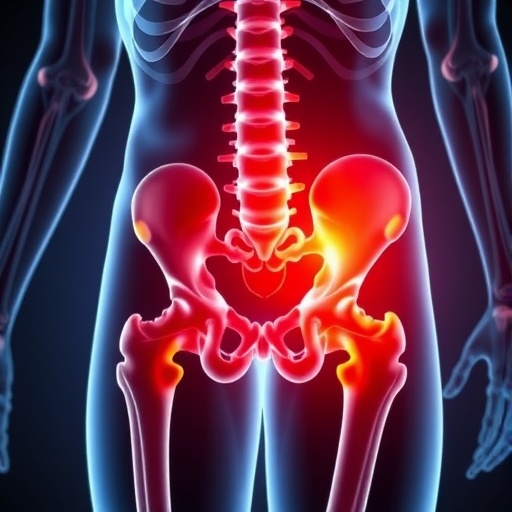
Obesity is notorious for escalating the risk of diabetes and cardiovascular conditions, yet its profound impact on skeletal health remains insufficiently acknowledged. Beyond the visible metabolic disturbances, excessive adipose tissue triggers complex alterations within the bone microenvironment. These changes include disrupted bone remodeling, compromised bone quality, and impaired fracture healing capabilities. A significant pathological hallmark in metabolic diseases is the abnormal accumulation of adipocytes in the bone marrow, which interferes with osteoblast function and deteriorates the vasculature critical for skeletal maintenance. The interplay between systemic metabolism and bone integrity has remained elusive, largely due to the intricate cellular and molecular mechanisms underlying these processes.
In an ambitious attempt to decode this nexus, researchers at KU Leuven, led by Professor Christa Maes, have explored the therapeutic potential of modulating hypoxia-inducible factor (HIF) signaling in the context of diet-induced obesity. HIF pathways serve as cellular adaptive mechanisms to hypoxic stress and also orchestrate pivotal regulatory functions in metabolism, angiogenesis, and tissue repair. The team implemented an experimental paradigm using mice fed a high-fat diet (HFD) to model obesity-induced metabolic strain. They pharmacologically activated HIF signaling via the administration of Roxadustat (FG-4592), a PHD inhibitor already clinically approved for anemia treatment. This strategic intervention aimed to probe whether manipulating oxygen-sensing pathways could simultaneously mitigate metabolic derangements and preserve skeletal function amid obesity.
Remarkably, the experiments demonstrated profound metabolic improvements in the Roxadustat-treated cohort. The treated animals exhibited attenuated body weight gain despite continuous high-fat dietary intake. Enhanced glucose tolerance tests revealed superior glycemic control, underscoring improved systemic metabolic homeostasis. Notably, the reduction in adiposity was accompanied by an elevation in energy expenditure rather than mere caloric restriction. This signifies that HIF activation instigated a metabolic shift towards increased energy dissipation, a valuable mechanism to counteract obesity-induced energy surplus and its deleterious consequences.
Critically, these systemic metabolic benefits were paralleled by protective effects within the bone microenvironment. Obesity typically provokes marrow adiposity expansion, which detrimentally alters the osteogenic-adipogenic balance. In this study, HIF pathway activation effectively constrained marrow adipocyte accumulation, preserving a conducive niche for bone-forming cells. Intrabony vascular integrity, frequently compromised in metabolic disease, was maintained by this intervention. This preservation of the skeletal vascular architecture is essential because it facilitates oxygen and nutrient delivery, supports progenitor cell viability, and enables proper cellular crosstalk needed for bone remodeling and regeneration.
Delving deeper into bone repair dynamics, the study assessed fracture healing outcomes under metabolic stress conditions. Obesity and hyperglycemia are known to delay the regenerative response and reduce fracture strength. However, Roxadustat administration significantly enhanced fracture healing efficacy, suggesting that hypoxia signaling reactivation revitalizes the regenerative machinery impaired by metabolic insults. This restoration likely involves improved angiogenesis, osteoblast function, and stem cell activity, collectively fostering a more robust skeletal repair process.
Professor Maes underscores a pivotal insight: activating the HIF pathway via PHD inhibition conveys dual therapeutic benefits by simultaneously fostering metabolic health and skeletal integrity. This integrative approach transcends traditional paradigms that treat metabolic disease and bone complications as isolated entities. Instead, it highlights the interconnectedness of systemic energy metabolism with bone physiology, mediated through oxygen-sensing molecular mechanisms.
Broader implications of these findings extend into diverse biomedical domains. Since HIF signaling regulates fundamental processes such as energy metabolism, vascular biology, and tissue regeneration, these results bridge gaps between metabolic disease research, aging studies, and regenerative medicine. The capacity to modulate this pathway pharmacologically paves avenues for novel interventions that target multiple organ systems affected in chronic diseases.
Clinically, this research advocates the repurposing of existing PHD inhibitors, such as Roxadustat, to address skeletal fragility in patients with obesity or metabolic syndrome. Current clinical management often neglects bone health within the metabolic disease spectrum, despite increased fracture risk and healing complications. Hypoxia signaling activation could therefore become a cornerstone strategy for integrated disease management, improving patient outcomes by potentiating both metabolic control and musculoskeletal resilience.
Moreover, the translational potential is heightened by the use of a drug already approved for human use, reducing barriers related to safety profiling and regulatory approval. Future human clinical trials are warranted to validate these preclinical findings and decipher optimal dosing regimens and treatment windows that maximize dual benefits while minimizing adverse effects.
On the molecular level, this study contributes to the growing understanding of how cellular response to oxygen tension intricately influences systemic physiology. The orchestrated crosstalk between bone cells, marrow adipocytes, endothelial cells, and systemic metabolic regulators under hypoxic conditions underscores the dynamic adaptability of skeletal tissue. These new mechanistic insights offer fertile ground for developing targeted therapeutics aimed at restoring homeostasis disrupted by modern lifestyle-induced metabolic stressors.
As health systems worldwide grapple with rising obesity and diabetes prevalence, strategies that concurrently tackle metabolic dysregulation and its skeletal ramifications are urgently needed. The discovery that pharmacological hypoxia pathway modulation can yield comprehensive benefits marks a milestone in integrated medicine, promising improved quality of life and reduced healthcare burdens associated with chronic metabolic and skeletal diseases.
In conclusion, this groundbreaking research from KU Leuven elegantly elucidates the multifaceted role of hypoxia-inducible factor signaling in bridging energy metabolism and bone health. By leveraging an approved pharmacological agent to activate this pathway, the study reveals a promising therapeutic avenue capable of mitigating obesity-related metabolic dysfunction and preserving skeletal integrity. This dual-action approach not only advances fundamental biological understanding but also charts a prospective clinical pathway for holistic management of metabolic disorders and associated skeletal complications.
Subject of Research: Animals
Article Title: Pharmacological HIF activation protects against diet-induced obesity, glucose intolerance, and skeletal dysfunction by exerting dual beneficial effects on energy metabolism and bone
News Publication Date: 11-Feb-2026
References: DOI: 10.1038/s41413-025-00503-3
Image Credits: Prof. Christa Maes from KU Leuven, Belgium
Keywords: Obesity, Hypoxia-inducible factor, HIF signaling, Roxadustat, Bone health, Metabolism, Marrow adiposity, Glucose tolerance, Angiogenesis, Fracture healing, PHD inhibitor, Metabolic disorders


