

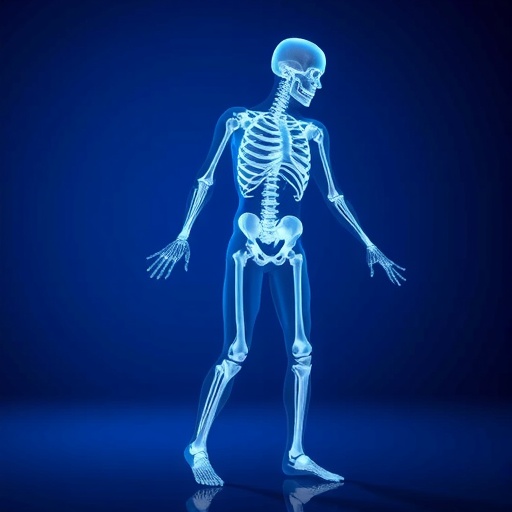
Recent research published in the Archives of Osteoporosis highlights a critical yet often overlooked aspect of health among middle-aged adults in India: the relationship between bone health and lifestyle choices. As the population continues to urbanize, it becomes increasingly essential to understand how factors such as diet, physical activity, and socio-economic conditions affect bone density and overall skeletal health. The study presents a comprehensive analysis that delves into the discrepancies between urban and rural populations, revealing that lifestyle choices significantly impact the prevalence of osteoporotic conditions and general bone health.
The research was led by Bhat, Ireland, Shah, and their colleagues, who meticulously gathered data from both urban and rural cohorts. They sought to uncover the intricate connections between various lifestyle factors and bone health metrics among middle-aged Indians, a demographic that often experiences rapid physiological changes and heightened vulnerabilities to diseases such as osteoporosis. By focusing on this age group, the authors aimed to illuminate the challenges that arise from an increasingly sedentary lifestyle and dietary habits that may not support optimal bone health.
One of the core findings of this study is the stark contrast in bone health between urban and rural adults. The urban population, often characterized by sedentary occupations and fast food diets, displayed lower bone density levels compared to their rural counterparts, who generally engage in more physical labor and consume a diet rich in whole foods. Such lifestyle distinctions are crucial in understanding the epidemic of osteoporosis that seems to be looming, especially in urban settings where lifestyle diseases are becoming prevalent.
The role of nutrition in bone health cannot be overstated. The study analyzed dietary habits that contribute to calcium and vitamin D intake, both of which are fundamental for maintaining bone integrity. Urban residents often showed a lack of awareness regarding nutritional needs, resulting in a considerable deficiency in essential nutrients vital for bone health. Conversely, rural individuals tended to possess a more grounded understanding of nutrition tied to traditional diets that facilitate better bone health outcomes. The emphasis on locally sourced foods likely plays a significant role in promoting a robust dietary framework for rural populations.
Physical activity emerged as another crucial factor in this research. The authors found that regular exercise contributes significantly to maintaining and improving bone density. Urban dwellers, with their more sedentary lifestyles heavily reliant on technology, were shown to have limited engagement in weight-bearing and resistance exercises. Meanwhile, rural populations benefit from naturally active lifestyles that include tasks such as farming and manual labor, which can have a positive impact on skeletal health. This distinction highlights the importance of promoting an active lifestyle in urban communities to mitigate the risks associated with bone health decline.
The socio-economic aspects of the participants also presented notable findings. The study revealed that individuals with higher socio-economic status tend to have better access to resources that promote health, such as gyms, nutritional programs, and healthcare services. Yet, this does not always correlate with better bone health due to a shift in lifestyle that comes with urban living. Thus, the challenge becomes twofold: not only must access to care be improved, but individuals must also be educated about maintaining a healthy lifestyle that encompasses both nutrition and physical activity.
The comparison of urban and rural middle-aged individuals also leads to questions about cultural attitudes toward health. In many rural areas, there remains a strong community rapport that fosters shared practices related to health and wellness. This contrasts sharply with urban environments, where isolation can lead to neglect in personal health management. Understanding these cultural underpinnings can inform public health initiatives that aim to bridge the gap between urban and rural health practices.
As we explore the implications of this study, it becomes evident that a multisectoral approach is required to foster better bone health outcomes across diverse populations. Health policymakers, community leaders, and researchers must collaborate to create awareness programs focused on the significance of lifestyle choices in bone health. Moreover, by integrating traditional knowledge with contemporary health practices, we can develop culturally relevant interventions that cater to the unique needs of various populations.
In summary, the findings from Bhat et al.’s comprehensive study call for immediate action to address the growing concerns surrounding bone health in India. Continued research should not only explore these disparities further but also seek to find innovative solutions that can be implemented across the country. The journey toward better bone health for middle-aged adults in India necessitates a united effort from all stakeholders involved in public health and community development.
In conclusion, the emerging concerns about osteoporosis and bone health serve as a critical reminder of how interconnected our lifestyles are with our overall health. The lessons drawn from urban and rural comparisons can lead to improved education and resources that empower individuals to make informed choices regarding their health. As we move forward, the call to action is clear: prioritize bone health by embracing lifestyle changes that foster strength and resilience in our skeletons.
As osteoporosis continues to rise from the shadows, it is essential to recognize that knowledge is power. By advocating for awareness and education about lifestyle factors, we can inspire communities to take charge of their bone health together, creating a healthier future for generations to come.
Subject of Research: Association of lifestyle factors with bone health in middle-aged Indian adults.
Article Title: Bone health and its association with lifestyle factors among urban and rural middle-aged Indian adults.
Article References:
Bhat, G., Ireland, A., Shah, N. et al. Bone health and its association with lifestyle factors among urban and rural middle-aged Indian adults.
Arch Osteoporos 20, 148 (2025). https://doi.org/10.1007/s11657-025-01623-3
Image Credits: AI Generated
DOI: https://doi.org/10.1007/s11657-025-01623-3
Keywords: Bone health, lifestyle factors, urban rural differences, osteoporosis, nutrition, physical activity, socio-economic status, public health initiatives.


