

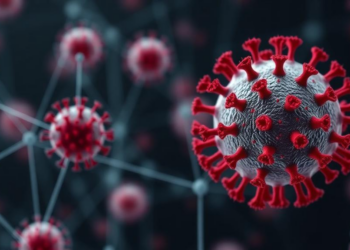
Network Science Reveals Why SARS-CoV-2 Binds Human Cells More Tightly Than SARS-CoV-1
A network-based analysis of molecular dynamics simulations shows that SARS-CoV-2 forms more robust connections with the human ACE2 receptor than ...
A network-based analysis of molecular dynamics simulations shows that SARS-CoV-2 forms more robust connections with the human ACE2 receptor than ...

Researchers at Institute of Science Tokyo developed pyrene-modified polyionic complex vesicles whose membrane stiffness can be tuned to program their ...
A PLOS Climate analysis shows over 90 percent of Brazilian rural credit goes to large-scale producers while Amazon sociobiodiversity economies ...
A secondary analysis of the ADORE randomized trial shows that a functional FADS gene variant predicts which pregnant women benefit ...
New research in PLOS Genetics shows that lactate and phosphate together acidify the cytoplasm of Mycobacterium tuberculosis at acidic pH, ...
A randomized experiment with eighty Chinese undergraduates shows that encountering new second-language words across varied stories significantly improves vocabulary learning ...
A landmark analysis of Demographic and Health Survey data from 465,208 households in 30 Sub-Saharan African countries finds that while ...
A four-decade satellite analysis of Brazil's Cananéia-Iguape mangroves shows regional warming of about 0.20 degrees Celsius per decade and reveals ...
A 13-year cohort study of over 1,000 children with inherited metabolic disorders found that nearly one in four showed skin ...
Computational screening of the Pan-African Natural Products Library identified two compounds, 152CSB2 and Thix6g, as promising selective COX-2 inhibitors with ...

Embark on a thrilling journey of discovery with Scienmag.com—your ultimate source for cutting-edge breakthroughs. Immerse yourself in a world where curiosity knows no limits and tomorrow’s possibilities become today’s reality!