

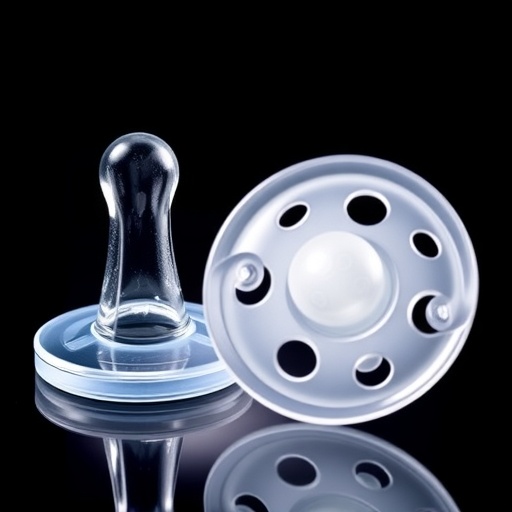
In a world increasingly aware of the implications of synthetic chemicals on human health and development, a new study sheds light on a specific concern that has been circling parents for years: the migration of bisphenol A (BPA) from pacifiers into the mouths of infants and toddlers. This critical research was instigated by the widespread use of plastic pacifiers containing BPA, a chemical notoriously linked to adverse effects on human health. The implications of this study could resonate throughout public health discussions, especially given the vulnerability of the early formative years of life.
The research conducted by a dedicated team, including Herwanger, Sternecker, and Kühnisch, utilized sophisticated High-Performance Liquid Chromatography with Fluorescence Detection (HPLC-FLD) to meticulously analyze the migration levels of BPA from various commercially available pacifiers. This method not only ensures precision in detecting minute concentrations of BPA but also showcases the team’s commitment to employing advanced analytical techniques. The findings provide an essential reference point for understanding just how much of this endocrine-disrupting chemical may seep into the delicate oral environments of infants.
BPA is primarily used in the manufacturing of polycarbonate plastics and epoxy resins, which are prevalent in countless consumer products, including baby bottles and pacifiers. It mimics estrogen, a crucial hormone in human development, and can lead to a slew of health issues ranging from reproductive anomalies to neurodevelopmental disorders. For infants and toddlers, whose organ systems are still maturing, exposure to such chemicals is particularly perilous. This study brings to the forefront the need for rigorous safety evaluations in products designed for young children, advocating for a re-examination of what materials are deemed safe for use.
The researchers undertook a comprehensive exposure assessment, which entailed not only laboratory analyses but also considerations of typical usage scenarios—how often infants suck on pacifiers and for how long. They quantified BPA migration across various temperatures and exposure times, illustrating that even benign domestic conditions could exacerbate the leaching of this chemical. Their results reveal that parents might unknowingly be exposing their children to this harmful substance much more than previously understood, emphasizing the urgent necessity for public awareness and education.
Importantly, the research findings underscore the variable levels of BPA migration across different brands and types of pacifiers analyzed. This variability illuminates a darker side of consumer choice; while parents may interpret the brand differences as trivial, the health implications could be significant. Some pacifiers showed alarming migration rates, leading to calls within the scientific community and regulatory bodies to scrutinize and regulate these products more stringently. As the findings circulate through both academic and popular media, they may prompt parents to reconsider which products they allow their infants to use.
Furthermore, the study serves as a performance gauge for manufacturers—encouraging initiatives to innovate and produce BPA-free alternatives that do not compromise safety or usability. With contemporary alternatives already available, there is a pressing incentive for companies to pivot towards safer materials that do not pose similar risks of leaching harmful substances. This research acts not only as a warning but also as a catalyst for change in the manufacturing process within the industry.
As a wake-up call, the study inspires a broader dialogue regarding the long-term health implications of exposure to chemicals like BPA. Children are not just small adults, and the long-term consequences of such exposure could manifest in unforeseen ways as they grow older. The scientific community is urged to expand and deepen research in this area, as associations between early-life exposure and subsequent health outcomes need clarification and additional exploration.
Public health forums and educators should seize the opportunity presented by this study to inform and educate parents about proper product choices for their children. A well-informed parent is better equipped to safeguard their child’s health. This research provides a basis for strong advocacy that can drive policy changes in consumer product legislation, ultimately influencing the regulatory landscape and enhancing preventive health measures.
Finally, as the conversation pivots towards future studies, researchers are being called to explore the combined effects of chemical exposures. Moreover, the interaction between BPA and other commonly used plastics could yield critical insights into a multi-chemical exposure scenario that modern families navigate unknowingly. This study on BPA migration from pacifiers not only raises alarms about immediate health risks but also sends ripples through various fields within environmental science, public health, and toxicology.
In this critical juncture in consumer safety, the vital inquiry into BPA migration is symbolic of the essential intersection between health science and everyday life. As the knowledge base expands, there is hope that practical solutions will arise, creating products that align better with the health needs of our youngest citizens. Parents deserve peace of mind, knowing that the products they choose for their children are as safe as possible, and this groundbreaking study is a significant step in paving that path.
As the research is further disseminated and discussed, one hopes that both industries and governments will take heed and act swiftly to safeguard our children’s health. With collective effort, we can reduce the presence of harmful substances in our everyday products and create a healthier future for generations to come.
Subject of Research: Migration of bisphenol A from pacifiers
Article Title: Migration of bisphenol A from commercially available pacifiers: HPLC-FLD analysis and exposure assessment in infants and toddlers.
Article References: Herwanger, L., Sternecker, K., Kühnisch, J. et al. Migration of bisphenol A from commercially available pacifiers: HPLC-FLD analysis and exposure assessment in infants and toddlers. Environ Sci Pollut Res (2026). https://doi.org/10.1007/s11356-026-37444-1
Image Credits: AI Generated
DOI: https://doi.org/10.1007/s11356-026-37444-1
Keywords: Bisphenol A, pacifiers, infant exposure, migration analysis, environmental health


