

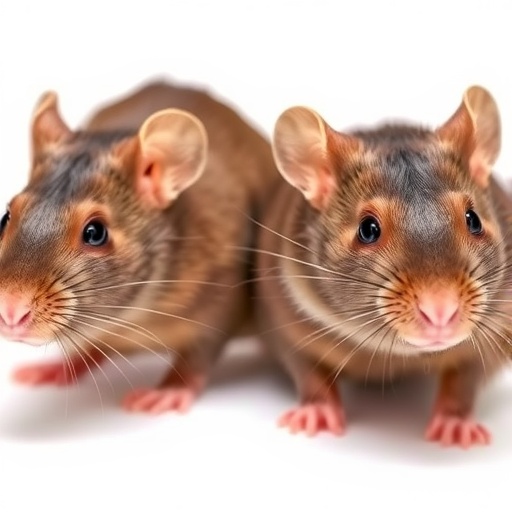
Polycystic ovarian syndrome (PCOS) is a debilitating condition that affects a significant portion of the female population globally. It is characterized by hormonal imbalances that often lead to infertility, weight gain, and other metabolic disorders. Recent studies have illuminated potential therapeutic pathways for addressing these complications, with natural compounds receiving increasing attention for their efficacy and safety profiles. Among these compounds, betaine—a metabolite derived from food sources such as beets and whole grains—has emerged as a promising candidate. The recent research conducted by Babaeenezhad and colleagues demonstrated the potential of betaine in alleviating symptoms related to letrozole-induced polycystic ovarian syndrome in an animal model.
In this groundbreaking study, the focus was on understanding how betaine affects oxidative stress and inflammation, two key contributors to the progression of PCOS. The researchers drew parallels between the biochemical challenges faced in PCOS and the cellular responses evoked by the administration of letrozole—a medication commonly used in fertility treatments that has been linked to the induction of PCOS-like symptoms in experimental settings. By carefully examining the effects of betaine, they aimed to ascertain its ability to restore homeostasis in biological systems adversely affected by oxidative stress and inflammation.
Oxidative stress occurs when there is an imbalance between free radicals and antioxidants in the body, and it plays a crucial role in the etiology of various diseases, including PCOS. The study analyzed inflammatory markers and oxidative stress indicators post-treatment in a controlled laboratory environment. The results indicated that betaine helped to reduce the levels of toxic reactive oxygen species (ROS)—a significant finding that suggests the compound’s protective effects at the cellular level. By mitigating these markers, betaine appeared to restore functionality in ovaries with induced cysts, opening new avenues for non-pharmaceutical mitigation of PCOS symptoms.
What sets this research apart is the innovative approach of employing both biochemical assessments and histological analysis to understand the full spectrum of betaine’s impact. The results from the histological examinations painted a vivid picture of the modifications occurring in ovarian tissue post-betaine treatment. Epithelial integrity, follicular development, and the presence of apoptotic markers were meticulously documented, painting a more comprehensive picture of the healing process. The improvements in these areas strongly correlate with improvements in fertility metrics and hormonal balance, making a compelling case for further exploration of betaine as a therapeutic agent in managing PCOS.
In addition to its antioxidative properties, the role of betaine in modulating inflammation was a focal point of the study. Chronic inflammation is a common underlying factor in many metabolic disorders, including PCOS. By evaluating key inflammatory cytokines, the research team demonstrated that betaine administration significantly reduced the expression of pro-inflammatory markers in the ovarian tissue. This aspect of the research underscores the dual-action of betaine—addressing both oxidative stress and inflammation—which is vital for restoring organ function. The multi-faceted approach emphasizes a shift towards natural interventions in disease management, urging the scientific community to delve deeper into the implications of low-risk dietary supplements.
Furthermore, the study’s implications extend beyond the immediate context of PCOS. The metabolic pathways impacted by oxidative stress and chronic inflammation are also central to a myriad of other conditions, such as obesity, cardiovascular disease, and even certain cancers. The findings surrounding betaine suggest that this compound could serve as a foundational building block in the framework of preventive medicine, particularly for women facing the long-term consequences of PCOS. With more research, betaine may not only alleviate the symptoms of PCOS but also serve as a preventive agent against co-morbid conditions associated with the syndrome.
One cannot overlook the broader significance of these findings for women’s health. Traditionally, many treatments of conditions like PCOS are hormone-based and can lead to side effects as well as long-term complications. The exploration of betaine heralds a new era where natural products can be emphasized over synthetic drugs. This shift could profoundly change the landscape of treatment options available for women outfitted with PCOS, providing them with safer and more effective alternatives.
The authors of the study indisputably positioned their findings within the broader scope of existing literature on PCOS management and dietary interventions. They highlighted the pressing need for sustained studies to substantiate the benefits of betaine and to unravel the underlying mechanistic pathways through which it operates. Engaging with the scientific community and fostering collaborative efforts could lead to more robust clinical trials that bolster the natural health paradigm.
In summary, the research encapsulated in the article presents an exciting development for those affected by polycystic ovarian syndrome. The implications of betaine’s antioxidant and anti-inflammatory properties are promising, paving the way for future studies that hone in on non-invasive therapeutic measures. This work not only emphasizes a potential new approach to managing PCOS but also encourages an integrative mindset in addressing diverse health issues related to women’s reproductive health.
As we venture into a new realm of understanding how natural substances can influence our health, it becomes increasingly clear that our pursuit of knowledge is leading us towards holistic and multifaceted treatment modalities. The call for further research echoes throughout the scientific community, lighting the path for future discoveries in the molecular mechanisms surrounding betaine, PCOS, and beyond.
Subject of Research: The efficacy of betaine in alleviating letrozole-induced polycystic ovarian syndrome in rats.
Article Title: Betaine alleviates letrozole-induced polycystic ovarian syndrome in rats by regulating oxidative stress and inflammation and restoring the proliferation-apoptosis balance.
Article References:
Babaeenezhad, E., Farzane Yegane, D., Yarahmadi, S. et al. Betaine alleviates letrozole-induced polycystic ovarian syndrome in rats by regulating oxidative stress and inflammation and restoring the proliferation-apoptosis balance.
J Ovarian Res 18, 261 (2025). https://doi.org/10.1186/s13048-025-01826-9
Image Credits: AI Generated
DOI: https://doi.org/10.1186/s13048-025-01826-9
Keywords: Polycystic ovarian syndrome, betaine, oxidative stress, inflammation, female reproductive health, therapeutic agents, natural compounds, fertility, histological analysis, cytokines.


