

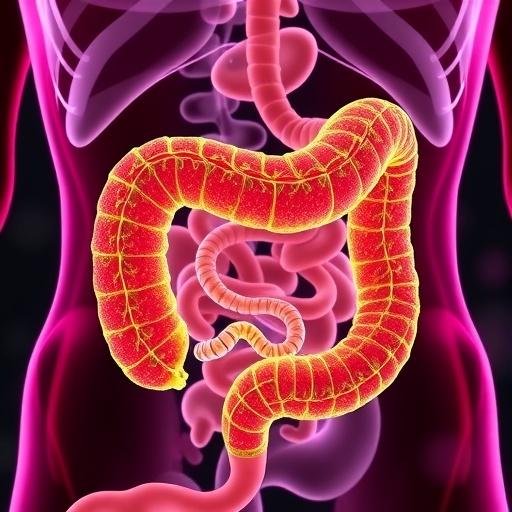
In a groundbreaking discovery poised to redefine the understanding of glucose regulation in diabetes, researchers have identified a novel molecular pathway driving intestinal glucose excretion through the activation of atypical protein kinase C (aPKC). The study, led by Kang, C.W., Hong, Z.Y., Oh, J.H., and colleagues, unveils a complex biochemical mechanism that could revolutionize therapeutic strategies for diabetes mellitus by targeting this newly found axis in the gut. Published in Nature Communications in 2026, this research expands the landscape of diabetes treatment far beyond the traditional focus on pancreatic insulin secretion and hepatic glucose production.
For decades, the gut has been recognized primarily as the site of nutrient absorption, with limited understanding of its direct role in glucose handling beyond uptake. However, the current study challenges this notion by demonstrating that the intestine can actively excrete glucose under pathological conditions such as diabetes mellitus. Central to this phenomenon is the atypical protein kinase C, a member of the protein kinase C family, which operates through unique regulatory pathways distinct from classical and novel PKCs, governing diverse cellular processes including signal transduction and metabolism.
The research team employed a multifaceted approach combining advanced molecular biology techniques, genetically engineered animal models, and human clinical data to elucidate the mechanism by which aPKC activation induces glucose excretion in the intestine. Using transgenic mice with intestine-specific upregulation of aPKC, the scientists observed a significant increase in glucose efflux into the intestinal lumen, effectively lowering systemic blood glucose levels despite concurrent hyperglycemia. This discovery suggests an adaptive, albeit maladaptive in chronic states, compensatory pathway activated in diabetes.
Further biochemical analyses revealed that aPKC activation modulates the function and expression of key glucose transporters, notably the sodium-glucose co-transporter 1 (SGLT1) and glucose transporter 2 (GLUT2), shifting their activities to favor glucose secretion rather than absorption. This switch in transporter dynamics occurs via phosphorylation events triggered by aPKC, altering their localization and transport kinetics. These findings provide the first evidence that glucose transporters are not unidirectional conduits but can be regulated to operate in reverse under certain pathological stimuli.
Delving deeper, the team identified upstream signals responsible for stimulating aPKC activation, including elevated free fatty acids and inflammatory cytokines characteristic of the diabetic milieu. These factors converge on intracellular signaling cascades that culminate in aPKC phosphorylation and activation. Once activated, aPKC initiates a feedback mechanism that influences gut epithelial cell metabolism and barrier functions, linking metabolic dysregulation with mucosal homeostasis.
Importantly, the researchers uncovered that this aPKC-driven pathway contributes to a significant loss of calories through intestinal glucose excretion, which may partly explain the paradoxical weight loss seen in some individuals with poorly controlled diabetes. However, this glucose loss is not sufficient to normalize blood sugar levels, underlining the complexity of glucose homeostasis in diabetic patients. This insight opens avenues for designing drugs that could selectively enhance intestinal glucose clearance without adverse consequences.
The clinical implications of these findings are immense, as they reveal a previously unrecognized target for diabetes management. Therapeutic strategies aimed at modulating aPKC activity in the gut could provide a complementary approach to existing treatments, potentially improving glycemic control by promoting intestinal glucose clearance. Moreover, understanding this pathway might help mitigate complications related to chronic hyperglycemia and metabolic syndrome by addressing aberrant glucose handling at the intestinal interface.
From a translational perspective, the team is already exploring small molecule inhibitors and activators of aPKC, carefully characterizing their efficacy and safety profiles in preclinical models. Early results suggest that fine-tuning aPKC activity can favorably adjust glucose excretion rates without compromising intestinal integrity or systemic metabolism. These promising developments hint at a new class of therapeutics that could transform the management of diabetes mellitus.
The study also emphasizes the importance of the gut as a critical organ in systemic metabolic regulation, complementing the roles traditionally attributed to the pancreas, liver, and muscle tissues. It aligns with emerging research highlighting the gut’s active participation in metabolic homeostasis and provides a molecular framework supporting gut-targeted interventions in metabolic diseases.
To facilitate future research, the authors have made their raw data and genetically modified mouse models available to the scientific community, encouraging collaborative efforts to dissect the broader implications of aPKC in gastrointestinal and systemic metabolism. The cross-disciplinary nature of this work bridges endocrinology, gastroenterology, and molecular biology, fostering a comprehensive understanding of metabolic diseases.
In conclusion, the identification of atypical protein kinase C as a driver of intestinal glucose excretion marks a paradigm shift in diabetes research. It uncovers a hidden facet of gut physiology with direct implications for disease pathogenesis and treatment. As the global burden of diabetes continues to rise, discoveries like this illuminate new paths to better patient outcomes and novel therapeutic horizons, heralding a new era in metabolic medicine.
Subject of Research:
Role of atypical protein kinase C in regulating intestinal glucose excretion in diabetes mellitus.
Article Title:
Atypical protein kinase C activation drives intestinal glucose excretion in diabetes mellitus.
Article References:
Kang, C.W., Hong, ZY., Oh, J.H. et al. Atypical protein kinase C activation drives intestinal glucose excretion in diabetes mellitus. Nat Commun (2026). https://doi.org/10.1038/s41467-026-69193-7
Image Credits:
AI Generated


