

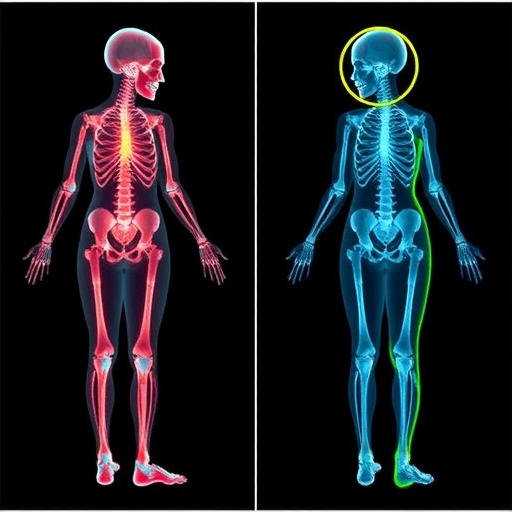
In a groundbreaking study, researchers have turned their focus toward evaluating the clinical risk factors for osteoporotic fractures among women in Armenia who are aged 40 and above. Osteoporosis is a silent disease, often sneaking up on its victims without any symptoms until a fracture occurs. The research highlights not just the prevalence of this condition but also emphasizes the importance of early intervention and risk assessment using the FRAX calculator, which evaluates an individual’s 10-year risk of sustaining a fracture based on various clinical risk factors.
The study utilized a large cohort of women from diverse backgrounds across Armenia, ensuring that the data collected was representative of the general population. The FRAX calculator serves as an indispensable tool in this research, offering a way to quantify fracture risk by incorporating clinical risk factors such as age, BMI, previous fractures, and family history of osteoporosis. Each participant underwent a standardized assessment to gather the necessary information for the FRAX calculation.
One of the pivotal findings was the correlation between age and fracture risk. As women advance into their 40s and beyond, the likelihood of developing osteoporosis increases significantly. This rise can largely be attributed to hormonal changes associated with menopause that lead to decreased bone density. The researchers found that women who had reached menopause were at a markedly higher risk, underscoring the urgency of implementing preventive strategies tailored specifically for this demographic group.
In addition to age, the study illuminated the role of lifestyle factors such as physical activity, diet, and smoking in influencing fracture risk. Women who led sedentary lifestyles were found to have a substantially higher risk of fractures, suggesting that promoting physical activity could be a critical component of osteoporosis prevention. This area of focus aligns with global health trends that advocate for increased physical engagement at every stage of life, particularly for postmenopausal women.
Another important aspect of the study was the evaluation of body mass index (BMI) as a clinical risk factor. Surprisingly, the researchers noted that underweight women, defined as those with a BMI of less than 18.5, had a heightened risk of fractures compared to their overweight counterparts. This finding emphasizes the importance of not just adequate nutrition but also maintaining a healthy weight to support bone health, especially in a population that may have different dietary habits due to cultural influences.
Family history of osteoporosis emerged as a significant predictor in this research. Women with a familial predisposition to bone health issues faced an amplified risk. This genetic component underlines the importance of screening and monitoring for those with relatives who have suffered from osteoporosis or fractures related to it. Education on the hereditary nature of osteoporosis could encourage proactive health-seeking behavior among at-risk individuals.
Moreover, the study explored the impacts of calcium and vitamin D intake on osteoporosis risk. Insufficient dietary intake of these essential nutrients often exacerbates bone density loss. While the Armenian diet traditionally includes various dairy products, the adequacy of calcium and vitamin D intake remains inconsistent among older women. By promoting education around nutrition and supplementation, healthcare professionals can potentially reduce the burden of osteoporotic fractures in this population.
The implications of this research extend beyond the individual. The findings suggest that public health initiatives geared toward monitoring and managing osteoporosis risk factors should be a priority in Armenia. Integrating these assessments into routine health check-ups could establish frameworks for early identification of at-risk individuals, enabling timely intervention that could ultimately save lives and prevent the debilitating consequences of osteoporotic fractures.
The researchers also examined the role of healthcare access in the context of osteoporosis care. In Armenia, as in many low- and middle-income countries, barriers to healthcare can prevent timely diagnosis and treatment. Addressing these organizational barriers is crucial in facilitating more comprehensive osteoporosis care and ensuring that women have consistent access to screenings and preventative measures.
As we look toward the future, the study advocates for wider implementation of FRAX calculators at health facilities throughout Armenia. Training healthcare professionals on risk factors and the utility of the FRAX tool could aid in better educating patients, leading to greater awareness and proactive measures against osteoporosis. The hope is that such initiatives will eventually lower the incidence of fractures and improve the overall health of older women in Armenia.
The significance of this study cannot be overstated, as it contributes vital data to the larger discourse surrounding bone health, particularly among vulnerable populations. By establishing a clearer understanding of the risk factors associated with osteoporotic fractures in Armenian women, the study paves the way for improved healthcare strategies and public health policies aimed at reducing osteoporosis’ impact.
As a final note, the research encourages collaborations between local health authorities and researchers to develop tailored educational programs focused on lifestyle changes, dietary improvements, and understanding personal risk factors. With the combined efforts of healthcare professionals, policymakers, and communities, it is possible to create a future where osteoporotic fractures are a rarity rather than a common reality for women in Armenia.
In light of the findings presented in this pivotal study, there is an urgent call to action. Women in Armenia and similar contexts must be educated about osteoporosis and empowered to take charge of their bone health, fostering a proactive approach in combating this silent epidemic that disproportionately affects aging populations worldwide.
Subject of Research: Evaluation of clinical risk factors for osteoporotic fractures among women in Armenia.
Article Title: Evaluation of clinical risk factors for osteoporotic fractures using the FRAX calculator among women in Armenia aged 40 and older.
Article References:
N., B.V., A., M.S., A., D.R. et al. Evaluation of clinical risk factors for osteoporotic fractures using the FRAX calculator among women in Armenia aged 40 and older.
Arch Osteoporos 20, 141 (2025). https://doi.org/10.1007/s11657-025-01629-x
Image Credits: AI Generated
DOI: https://doi.org/10.1007/s11657-025-01629-x
Keywords: Osteoporosis, FRAX calculator, Women, Armenia, Clinical risk factors, Health intervention, Age, Lifestyle, Nutrition, Public health.


