

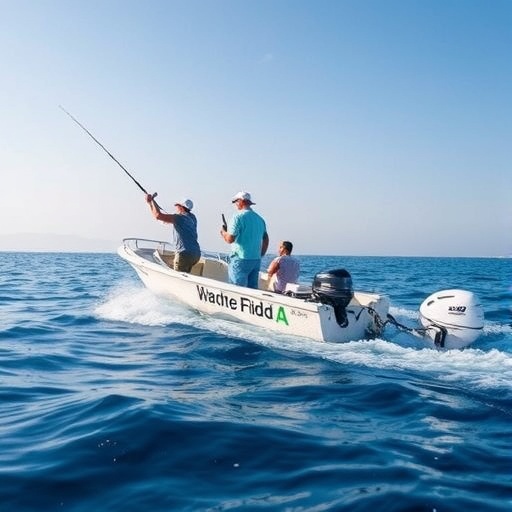
In a world increasingly aware of the delicate balance between nature and human activity, the recent study conducted by Al-Shidhani, Al-Masroori, and Dutta shines a spotlight on the intricate dynamics of marine recreational fishing in the Sultanate of Oman. This research piece, published in the journal Discover Sustainability, delves deeply into the socio-economic and environmental ramifications of this popular pastime, revealing a complex web of interactions that underscores the need for sustainable practices in recreational fishing.
The Sultanate of Oman, with its stunning coastlines and rich marine biodiversity, is a hotspot for fishing enthusiasts. This recent study meticulously evaluates the importance of marine recreational fishing not just as a leisure activity but as a vital component of the local economy. The researchers reveal that fishing is deeply rooted in the culture of Oman, providing both economic benefits and social cohesion within communities. The data collected illustrates a bustling sector where local fishermen and family-oriented fishing excursions contribute significantly to the wellbeing of rural populations.
However, the study does not shy away from addressing the potential environmental pitfalls associated with this burgeoning industry. Overfishing, habitat degradation, and pollution are rampant concerns that threaten the very ecosystems that support marine life. Al-Shidhani and colleagues emphasize that the allure of catching a prized fish can lead to unsustainable practices if left unchecked. They advocate for a structured approach to fisheries management that prioritizes ecological health alongside economic interests. The researchers leverage statistical models to project the long-term impacts of current fishing practices, cautioning that without intervention, the future of marine biodiversity hangs in the balance.
The socio-economic assessment within the study outlines the livelihoods that depend on recreational fishing. The influx of tourists seeking out fishing adventures directly impacts local economies, fostering job creation in sectors ranging from hospitality to fishing gear sales. Yet, the authors point out that while the economic benefits are pronounced, they must not come at the expense of environmental degradation. Awareness campaigns and educational opportunities are essential to instill a sense of responsibility and stewardship among fishermen and tourists alike. The findings advocate for economic strategies that integrate conservation principles, ensuring the sustainability of marine resources for future generations.
As the researchers delve into the environmental assessment aspects of their study, they highlight the essential role of marine ecosystems in supporting diverse species of fish. The biodiversity found in Oman’s waters not only sustains fishing activities but also plays a critical role in the health of marine environments. The paper discusses the direct correlation between biodiversity levels and the resilience of ecosystems to withstand human impacts. A focus on preserving habitats such as coral reefs and seagrass beds emerges as a fundamental element in maintaining the integrity of these ecosystems.
The authors employed a range of innovative methodologies to gather data, including surveys, ecological assessments, and economic analyses. These approaches delivered a comprehensive overview of the interconnectedness of socio-economic and environmental factors. By using both qualitative and quantitative data, the research articulates a compelling narrative of both the benefits and risks associated with recreational fishing. This rigorous approach lends credence to the study’s findings, which are intended to inform policymakers and stakeholders about the pressing need for sustainable fishing practices.
Community involvement emerges as a vital theme in the discussions surrounding marine recreational fishing. The voices of local fishermen, tourists, and conservationists collectively enrich the narrative, illustrating a shared responsibility in preserving marine resources. Recognizing the interconnectedness of everyone involved—those who fish, those who enjoy the sea, and those who advocate for the environment—can lead to more effective cooperative strategies for resource management. The study thus acts as a call to action, urging stakeholders to collaborate towards a sustainable future for Oman’s marine heritage.
Policy recommendations proposed in the paper are both timely and necessary. The researchers advocate for the implementation of stricter regulations regarding catch limits, seasonal closures to protect spawning populations, and habitat protection strategies. These recommendations are designed to mitigate the adverse effects of overfishing while ensuring that the economic benefits of recreational fishing can continue. Moreover, the authors stress the importance of monitoring progress through regular assessments, which would aid in adapting policies as necessary based on environmental and socio-economic changes.
With growing global attention to sustainability issues, this study resonates beyond the shores of Oman. The research signifies a broader trend reflecting the need for responsible management of natural resources. Countries grappling with similar challenges can glean insights from Oman’s approach, using this study as a framework for their own examinations of recreational fishing impacts. In a world where biodiversity loss and climate change remain pervasive threats, learning from successful case studies becomes paramount.
The implications of this research extend to academia, policymakers, and practitioners alike. It lays the groundwork for future research in marine conservation, socioeconomic studies, and fisheries management. By illuminating the dual aspects of enjoyment and sustainability, Al-Shidhani, Al-Masroori, and Dutta’s work inspires ongoing discussions on how best to balance human activity with environmental stewardship, fostering a culture of sustainability in recreational fishing practices.
The findings also call attention to the necessity of engaging a younger audience—the future stewards of the oceans. Educational programs targeting youth could instill a deeper appreciation for marine environments, fostering an ethos of sustainability that encourages responsible fishing practices from an early age. Through workshops, hands-on experiences, and community events, young fishermen can learn the importance of respecting marine ecosystems while engaging in their favorite pastime.
As environmental challenges escalate, Oman’s proactive approach to assessing and managing its marine recreational fishing sector provides a hopeful blueprint for other regions. A concerted effort to ensure the sustainability of fishing will serve not just local communities but will also enhance the global understanding of responsible environmental practices. The research underscores that marine recreational fishing, when properly managed, can coexist harmoniously with the goal of preserving our natural heritage for the enjoyment of future generations.
In conclusion, the study of marine recreational fishing in the Sultanate of Oman by Al-Shidhani and his colleagues emphasizes a critical narrative about sustainability. It aptly highlights the intricate relationships between socio-economic factors and environmental health, advocating for a balanced approach that fulfills the demands of an evolving society while safeguarding our planets’ precious ecosystems. As the world watches and learns from Oman, this discourse heralds a promising path toward sustainability in recreational fishing—one that prioritizes the vibrancy of marine life for years to come.
Subject of Research: Marine recreational fishing in the Sultanate of Oman
Article Title: Socio-economic and environmental assessment of marine recreational fishing in the Sultanate of Oman
Article References:
Al-Shidhani, M., Al-Masroori, H. & Dutta, S. Socio-economic and environmental assessment of marine recreational fishing in the Sultanate of Oman.
Discov Sustain (2026). https://doi.org/10.1007/s43621-025-02537-3
Image Credits: AI Generated
DOI:
Keywords: Marine recreation, Fishing sustainability, Socio-economics, Environmental assessment, Oman


