

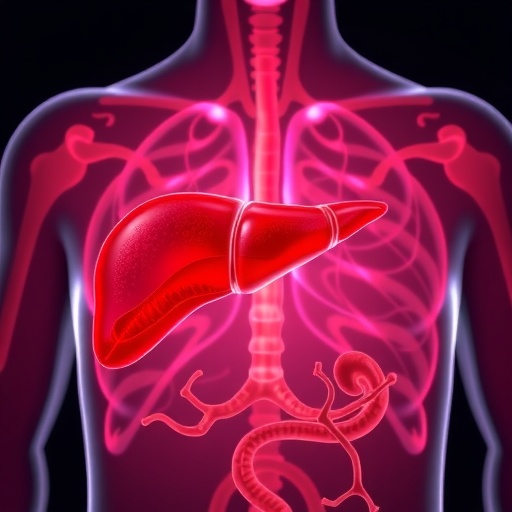
The significance of functional assessment in patients undergoing liver transplantation cannot be overstated, as it’s integral to optimizing preoperative evaluations and guiding postoperative management. Bernstein and Kappus’s recent exploration of this critical area sheds light on the methodologies and results surrounding the assessment of physical, psychological, and social functioning in patients awaiting liver transplants. Their comprehensive review, published in Current Transplant Reports, details how effective assessment can lead to improved outcomes and better quality of life for these patients, emphasizing the necessity for a multidisciplinary approach.
Liver transplantation remains a complex procedure often reserved for patients with end-stage liver disease. The demand for donor organs frequently outstrips supply, thus necessitating careful selection of patients who not only present with adequate medical indications but also demonstrate functional capacity to withstand the rigors of surgery and recovery. The work of Bernstein and Kappus emphasizes that recognizing functional status—encompassing physical strength, mental health, and social support—is crucial in determining the suitability of candidates for transplantation.
A pivotal aspect discussed is the evolving nature of functional assessment tools. In the past, assessments might have focused primarily on physical parameters, while more recent approaches recognize the multidimensionality of health. The authors underscore the importance of incorporating various assessment instruments, such as the Karnofsky Performance Status Scale, which gauges patients’ ability to perform daily activities and their functional independence. Such tools help healthcare providers create a more nuanced picture of a patient’s overall health.
In their investigation, Bernstein and Kappus also delve into the psychological dimensions of functional assessment. Mental health plays a significant role in the liver transplant process, as anxiety and depression can profoundly affect adherence to medical regimens and recovery outcomes. Utilizing validated mental health questionnaires within preoperative evaluations allows clinicians to identify at-risk patients who may benefit from psychological support prior to surgery and throughout their recovery.
Another key point raised is the importance of social support systems for patients. The transplant journey can be isolating, and the authors highlight evidence suggesting that strong social networks contribute positively to post-transplant recovery. Functional assessment should, therefore, include evaluating the patient’s social environment and support systems, which can encompass family, friends, and community resources. This holistic view of patient health aligns well with current best practices in patient-centered care.
As the body of evidence regarding functional assessments in liver transplantation grows, so too do the implications for practice. Bernstein and Kappus advocate for the integration of standardized functional assessments into routine clinical practice, promoting a shift towards a more inclusive approach to patient evaluation. This proposal not only enhances patient care but also has the potential to streamline the transplantation process, optimizing outcomes for both patients and healthcare providers.
Moreover, the authors highlight the importance of continual research to validate the efficacy of different functional assessment tools and their predictive value on transplant outcomes. Existing gaps in knowledge need to be filled through rigorous studies that not only explore various assessment methods but also their application in diverse patient populations. Comprehensive data collection can provide the necessary insights for refining assessment protocols and improving overall patient care.
In summary, the pivot towards comprehensive functional assessment in liver transplantation marks a significant evolution in caring for patients with liver diseases. Bernstein and Kappus’s work underscores how a thorough understanding of a patient’s functional status—situated at the intersection of physical, psychological, and social variables—can help healthcare providers make better-informed decisions that align with the patients’ needs and circumstances. By placing greater emphasis on these multifaceted evaluations, transplantation centers can ultimately enhance the quality of care they deliver to liver transplant candidates.
This landmark review not only addresses current practices but also serves as a clarion call for further investigation into the elements that comprise effective functional assessments. With the increase in patient complexity and the evolving landscape of transplantation, health professionals must remain vigilant and responsive, ensuring that the tools used to evaluate potential transplant candidates are both robust and relevant. Achieving excellence in liver transplantation requires a commitment to ongoing education and adaptation in practice, inspired by the findings put forth by Bernstein and Kappus.
The future landscape of liver transplantation will likely be shaped by a growing emphasis on comprehensive assessments that afford a deeper understanding of patient health beyond traditional medical metrics. Such changes herald a new era of transplant medicine, where patient-centered approaches reign supreme, fostering improved medical and personal outcomes.
In conclusion, this exploration of the current state of functional assessments in liver transplantation provides a robust framework for ongoing discussions and improvements. It reflects a broader trend within medicine to prioritize patient quality of life and functional capabilities alongside clinical outcomes. With sustained attention and focused research, a more profound understanding of how to assess and enhance patient functionality will continue to evolve, ultimately enriching the journey of those facing liver transplantation.
Subject of Research: Functional Assessment in Liver Transplantation
Article Title: The Current State of Functional Assessment in Patients Undergoing Liver Transplantation
Article References: Bernstein, D.A., Kappus, M.R. 2025: The Current State of Functional Assessment in Patients Undergoing Liver Transplantation. Curr Transpl Rep 13, 1 (2026). https://doi.org/10.1007/s40472-025-00493-5
Image Credits: AI Generated
DOI: https://doi.org/10.1007/s40472-025-00493-5
Keywords: liver transplantation, functional assessment, patient-centered care, psychological health, social support, multidisciplinary approach.


