

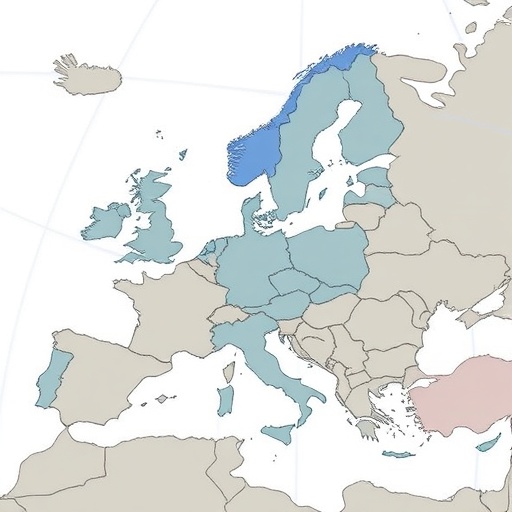
In an increasingly complex world, the pursuit of sustainability is more paramount than ever. Recent research by D’Adamo, Di Leo, and Gastaldi shines a light on this pressing issue, particularly within the context of Europe. The study, published in the journal “Discover Sustainability,” introduces a framework for evaluating sustainability through the use of composite indicators. This innovative approach not only provides a quantitative measure of sustainability but also sheds light on key areas where policymakers can focus their efforts for maximum impact.
Composite indicators offer a multifaceted perspective on sustainability, integrating various environmental, economic, and social dimensions into a singular framework. The researchers emphasize that traditional methods of evaluation often overlook the interconnected nature of these dimensions. By employing composite indicators, the research presents a more holistic view, allowing for a clearer understanding of the sustainability landscape across Europe. This method includes a range of metrics that can be tailored to specific contexts, enhancing the framework’s utility for diverse stakeholders.
At the heart of this study is the recognition that sustainability is not a one-size-fits-all concept. The authors address the challenges inherent in measuring sustainability across different nations and regions. This variability necessitates a flexible approach, allowing for local conditions and priorities to inform the assessment criteria. By tailoring the composite indicators to specific contexts, stakeholders can better align their sustainability goals with the realities of their unique environments.
Furthermore, D’Adamo and colleagues argue that the implementation of composite indicators can stimulate policy development. These indicators provide crucial data that can guide decision-making processes, allowing governments and organizations to allocate resources more effectively. The nuanced insights derived from these indicators can identify areas where interventions would yield significant benefits, driving the conversation forward on sustainable practices.
The research also highlights the role of stakeholder engagement in the sustainability assessment process. The authors advocate for the inclusion of various stakeholders, from local communities to industry leaders, in the development of composite indicators. This collaborative approach ensures that diverse perspectives are considered, fostering a sense of ownership and commitment to sustainability initiatives. When stakeholders feel invested in the process, they are more likely to contribute to and support sustainability efforts.
Moreover, the findings underscore the importance of transparency in the evaluation process. The authors stress that clear communication of methods and results is essential to build trust among stakeholders. When people understand how sustainability is being measured and what impacts it has on their lives, they are more likely to engage with and support sustainable practices. This transparency can also encourage accountability among policymakers, ensuring that commitments to sustainability are met.
The impact of sustainability assessments extends beyond mere compliance; they have the potential to drive innovation and economic development. The authors explore the idea that sustainability can serve as a catalyst for technological advances and new business models. By highlighting areas for improvement, the composite indicators can inspire companies to develop sustainable solutions that not only benefit the environment but also enhance their competitive advantage in the marketplace.
Overall, the research by D’Adamo, Di Leo, and Gastaldi presents a compelling case for the adoption of composite indicators in evaluating sustainability. Their work contributes to the body of knowledge surrounding sustainable development, providing a practical tool for policymakers, businesses, and communities. As Europe navigates the challenges posed by climate change, resource depletion, and social inequality, the insights gained from this study will be invaluable in shaping effective sustainability strategies.
The recent findings call for action within the European Union to implement these composite indicators as a standard practice in sustainability assessments. Recognizing the multiple facets of sustainability will allow for policies that are not only effective but also equitable. As climates change and societies evolve, a comprehensive understanding of sustainability is crucial for ensuring that future generations inherit a planet that is not only livable but thriving.
In conclusion, the work of D’Adamo and colleagues serves as a vital contribution to the ongoing dialogue about sustainability in Europe. Their innovative use of composite indicators provides a framework that is adaptable, robust, and essential for today’s complex challenges. As nations strive for sustainability, the integration of these indicators into evaluation practices is a critical step toward fostering a more sustainable future.
As the world progresses further into the 21st century, the need for sustainability is clear. Researchers, policymakers, and communities must collaborate to harness the insights from studies like this one, ensuring that sustainability assessments are not just theoretical exercises but foundational components in the quest for a sustainable world.
The implications of this research extend far beyond Europe, resonating with global sustainability initiatives. As other regions look to address their own sustainability challenges, the lessons learned from the application of composite indicators in Europe can serve as a valuable guide. The potential for success hinges on collective action and a commitment to integrating sustainability into every facet of society.
Through continuous evaluation and adaptation, the path toward sustainability can be navigated with greater clarity. As we heed the call for a sustainable future, let us embrace the tools at our disposal, ensuring that the efforts made today pave the way for a resilient tomorrow.
As research in this area continues to unfold, it is vital that we keep the conversation alive and actively engage with the findings. The journey toward sustainable development is one that requires persistence, innovation, and above all, collaboration. With studies like that of D’Adamo, Di Leo, and Gastaldi, we take one step closer to understanding and achieving true sustainability on a global scale.
Subject of Research: Evaluating Sustainability in Europe with Composite Indicators
Article Title: Evaluating sustainability in Europe with composite indicators
Article References:
D’Adamo, I., Di Leo, S., Gastaldi, M. et al. Evaluating sustainability in Europe with composite indicators.
Discov Sustain 6, 1251 (2025). https://doi.org/10.1007/s43621-025-02129-1
Image Credits: AI Generated
DOI: https://doi.org/10.1007/s43621-025-02129-1
Keywords: Sustainability, Composite Indicators, Europe, Policy Development, Stakeholder Engagement, Transparency, Innovation, Economic Development.


