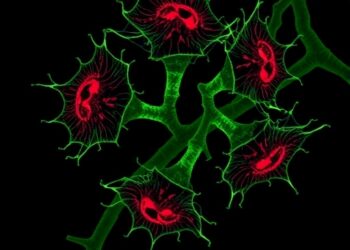
Asbestos, a group of naturally occurring fibrous minerals, has been historically used for its durability and resistance to heat. Despite its advantageous properties, asbestos is a well-documented carcinogen, linked to diseases such as lung cancer (LC) and malignant pleural mesothelioma (MPM). The controversy surrounding the degree of carcinogenicity of different asbestos types, especially chrysotile versus amphibole asbestos, continues to influence scientific and regulatory discussions. This review delves into the various aspects of asbestos-related research, focusing on historical context, risk assessment, environmental presence, diagnostic challenges, and the influence of research quality and industry.
Asbestos, a group of naturally occurring fibrous minerals, has been historically used for its durability and resistance to heat. Despite its advantageous properties, asbestos is a well-documented carcinogen, linked to diseases such as lung cancer (LC) and malignant pleural mesothelioma (MPM). The controversy surrounding the degree of carcinogenicity of different asbestos types, especially chrysotile versus amphibole asbestos, continues to influence scientific and regulatory discussions. This review delves into the various aspects of asbestos-related research, focusing on historical context, risk assessment, environmental presence, diagnostic challenges, and the influence of research quality and industry.
Historical Context and Risk Assessment
Asbestos has been utilized in various industries due to its fireproofing and insulating properties. However, the health risks associated with asbestos exposure were identified as early as the 20th century. The epidemiological data from high-risk occupational settings provided compelling evidence of the link between asbestos exposure and LC as well as MPM. Despite regulatory efforts to limit asbestos use, the latency period of asbestos-related diseases means that new cases continue to emerge decades after exposure.
Asbestos in the Environment
Asbestos fibers enter the environment through both natural erosion and industrial activities. Air, soil, and water contamination often results from land excavation, tunneling, and other non-asbestos-specific industries. Studies have shown that asbestos fibers are present in a significant percentage of routine post-mortem examinations, including in children, suggesting widespread environmental exposure. The debate over the health implications of low-level environmental exposure persists, with some arguing that there is a threshold for safe fiber content in the air.
Mesothelioma and Diagnostic Challenges
MPM is notoriously difficult to diagnose due to its rarity and non-specific symptoms. Misdiagnosis is common, particularly in the general population where MPM may be confused with other cancers. The accurate diagnosis of MPM is crucial for attributing cases to occupational exposure and for epidemiological studies. Advances in diagnostic techniques have improved detection rates, but challenges remain, especially in differentiating MPM from other malignancies.
Chrysotile vs. Amphibole Asbestos
A widely accepted view is that amphibole asbestos (e.g., amosite, crocidolite) is more carcinogenic than chrysotile asbestos. However, both types pose significant health risks. Experimental data often show similar levels of carcinogenicity between serpentine (chrysotile) and amphibole asbestos in both animal models and cellular studies. Human epidemiological data suggest that chrysotile may have a lower relative risk for LC and MPM compared to amphiboles, but the differences are not always consistent across studies. The varying results highlight the need for further independent research to clarify these discrepancies.
Quality of Research and Industry Influence
The quality of asbestos-related research significantly impacts the conclusions drawn about its carcinogenicity. Meta-analyses have shown that higher quality studies tend to report less disparity between the carcinogenic potential of chrysotile and amphibole asbestos. Industry influence and conflicts of interest have been noted in some studies, where data may be selectively reported or manipulated to downplay the risks associated with chrysotile asbestos. Independent and unbiased research is essential to provide a clearer understanding of the true health risks of asbestos.
Conclusions
The carcinogenicity of asbestos is well-established, yet the degree of risk associated with different fiber types remains a topic of debate. While regulatory measures have reduced asbestos use, legacy exposures continue to pose health risks. Future research should focus on high-quality, independent studies to resolve existing controversies and ensure that public health policies are based on robust scientific evidence. The ongoing challenge is to balance the historical and industrial benefits of asbestos with the imperative to protect human health from its well-documented hazards.
Full text
The study was recently published in the Cancer Screening and Prevention.
Cancer Screening and Prevention (CSP) publishes high-quality research and review articles related to cancer screening and prevention. It aims to provide a platform for studies that develop innovative and creative strategies and precise models for screening, early detection, and prevention of various cancers. Studies on the integration of precision cancer prevention multiomics where cancer screening, early detection and prevention regimens can precisely reflect the risk of cancer from dissected genomic and environmental parameters are particularly welcome.
Follow us on X: @xiahepublishing
Follow us on LinkedIn: Xia & He Publishing Inc.
Journal
Cancer Screening and Prevention
Article Title
Asbestos-related Cancer: Exaggerated Risk Perception
Article Publication Date
22-Mar-2023