

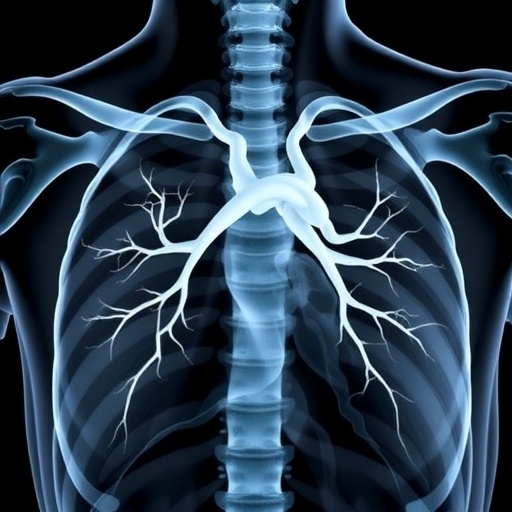
Aortic Hemiarch Reconstruction Offers Comparable Long-Term Outcomes to Extended Arch Repair in Elderly Acute Dissection Patients
In recent developments presented at the 2026 Society of Thoracic Surgeons Annual Meeting in New Orleans, groundbreaking research has shed light on the optimal surgical strategy for acute type A aortic dissection (ATAAD) in patients aged 65 and older. Traditionally, surgeons have faced a strategic dilemma when confronting ATAAD—a life-threatening condition marked by a tear in the aortic intima causing blood to penetrate and separate the layers of the aortic wall. The choice between less complex ascending aortic hemiarch reconstruction and more extensive arch reconstruction has critical implications for operative risk and long-term patient outcomes.
The meticulous study analyzed outcomes of over 3,500 patients extracted from the vast and comprehensive Society of Thoracic Surgeons Adult Cardiac Surgery Database (STS ACSD), augmented with Medicare data, providing a robust longitudinal framework. The scope included patients treated in U.S. centers between mid-2017 and late 2023, with approximately three-quarters undergoing hemiarch replacement and the remainder receiving extended arch procedures. This extensive dataset permitted a rigorous risk-adjusted comparative analysis focusing on long-term survival and the incidence of subsequent aortic reintervention.
Acute type A aortic dissection is an exigent surgical emergency necessitating rapid intervention due to the imminent risks of catastrophic rupture and compromised end-organ perfusion. The classic pathology involves a tear in the ascending aorta, and treatment modalities range from focal ascending repairs to elaborate reconstructions involving the transverse aortic arch and its branching vessels. Ascending hemiarch replacement addresses the diseased segment from the ascending aorta to the proximal arch’s underside, while extended arch repair entails replacing more extensive portions of the arch and often reimplanting arch vessels, resulting in longer ischemic intervals under cardiopulmonary bypass and cerebral protection protocols.
From a technical standpoint, extended arch reconstruction demands sophisticated cerebral protection strategies including selective antegrade cerebral perfusion, prolonged circulatory arrest times, and advanced neuro-monitoring to mitigate ischemic injury. These complexities inherently elevate perioperative risk—especially pronounced in older populations where physiological reserves are diminished. Conversely, ascending hemiarch reconstruction offers a more streamlined operative course with reduced cardiopulmonary bypass time and less extensive vascular manipulation, potentially translating into lower immediate postoperative morbidity and mortality.
Notably, this investigation probed beyond immediate surgical outcomes and delved into the longitudinal implications of the chosen surgical strategy. While it is intuitively expected that a more extensive repair might curtail the need for future aortic interventions by addressing disease propagation within the arch, the data intriguingly demonstrated no significant difference in survival or rates of reoperation between the two surgical paradigms for patients over 65. This revelation calls into question the perceived long-term advantages of complex arch reconstruction in this demographic, emphasizing the importance of individualized risk-benefit assessments.
Dr. John R. Spratt, a leading thoracic and cardiovascular surgeon affiliated with University of Florida Health, emphasized that although extended arch repair potentially reduces late aortic events, this advantage is attenuated by the life expectancy and comorbidity profile of older patients. The implication is that the additional early operative risk imposed by extensive procedures may not be justified if longevity is limited by other factors. Hence, a strategic focus on less invasive yet effective hemiarch reconstruction appears prudent for this population, delivering equivalent long-term outcomes with lower early risks.
This paradigm shift in surgical decision-making is anchored by the unparalleled depth of the STS National Database, which captures over 95% of adult cardiac surgeries in the United States. Its linkage with Medicare expands outcome surveillance over years and provides a nationally representative, real-world perspective transcending individual institutional biases. The robust risk-adjusted analyses derived from these data sets enable surgeons to tailor their approach with greater confidence, supporting evidence-based guidelines.
Acute type A aortic dissection poses a daunting surgical challenge due to its high early mortality and the technical demands of repairing a fragile aortic wall often compromised by extensive dissection. Deciding on the extent of repair involves nuanced consideration of anatomic pathology, patient age, comorbid states, and anticipated long-term survival. The revelation that hemiarch replacement—though technically simpler and quicker—fully matches the more ambitious extended arch reconstruction’s long-term survival and reintervention rates in the elderly has significant ramifications for clinical practice.
Furthermore, the study highlights the crucial balance clinicians must strike between achieving “ideal” anatomic repair as seen on preoperative computed tomography (CT) and acknowledging the individualized physiologic resilience and perioperative risk profiles of their patients. In elderly individuals where surgical morbidity and mortality risks amplify, prioritizing a less invasive yet durable repair preserves quality of life and functional independence without compromising longevity or necessitating frequent follow-up interventions.
In sum, these data advocate for a patient-centered, evidence-driven approach that leverages ascending hemiarch reconstruction as the frontline surgical treatment for ATAAD in older patients, reserving extended arch procedures for younger or anatomically indicated cases where long-term prophylaxis against progressive aortic disease warrants higher operative complexity. This nuanced surgical stratification exemplifies precision medicine in cardiothoracic surgery, marrying technical expertise with large-scale outcome data to optimize patient-centric care pathways.
The findings presented here are certain to influence clinical guidelines and surgical paradigms worldwide, potentially reducing operative morbidity without sacrificing efficacy, and ultimately enhancing survival and quality of life for a vulnerable and expanding segment of the population grappling with acute aortic emergencies.
Subject of Research: Surgical treatments for acute type A aortic dissection in older adults
Article Title: Aortic Hemiarch Reconstruction Safely Matches Complex Aortic Arch Reconstruction for Acute Dissection in Older Adults
News Publication Date: February 1, 2026
Web References: Data derived from the Society of Thoracic Surgeons Adult Cardiac Surgery Database (STS ACSD) and linked Medicare records
Keywords: Health and medicine, Vascular diseases, Cardiovascular disorders


