

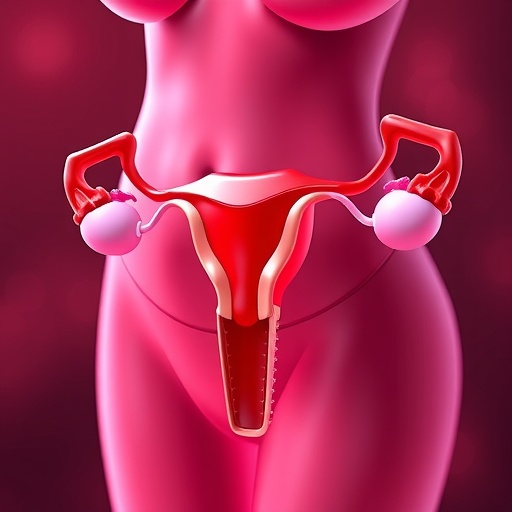
Premature ovarian insufficiency (POI), a condition affecting approximately 1 to 3% of women of reproductive age, represents a formidable cause of infertility characterized by amenorrhea, hypoestrogenism, and elevated serum follicle-stimulating hormone (FSH) levels. Despite the presence of residual primordial follicles in affected ovaries, spontaneous follicular development is typically impaired, rendering conventional hormonal stimulation protocols largely ineffective. This refractory nature stems from the already heightened endogenous FSH, which precludes additional follicles’ responsiveness to exogenous gonadotropins commonly employed in assisted reproductive technologies.
In an innovative convergence of reproductive biology and pharmacology, researchers from Juntendo University, led by Professor Kazuhiro Kawamura, in collaboration with the University of Hong Kong (HKU), have delineated a novel therapeutic avenue for restoring fertility in POI via repurposing an established oral antifibrotic agent, finerenone. Their pioneering study provides compelling evidence that finerenone mitigates ovarian cortical fibrosis, a key mechanical impediment to folliculogenesis, thereby rejuvenating ovarian function and improving fertility outcomes.
Previous breakthroughs by Prof. Kawamura introduced an invasive in-vitro activation (IVA) technique, which exploits the intrinsic molecular pathways governing follicular recruitment — notably, the mechanistic target of rapamycin complex 1 (mTORC1) in granulosa cells and the phosphatidylinositol 3-kinase (PI3K) pathway within oocytes. This procedure involves ex-vivo activation of dormant follicles followed by autotransplantation, resulting in successful pregnancies. Building on this mechanistic foundation, the current investigation sought to identify non-invasive pharmacologic modulators capable of mimicking or augmenting these intracellular signals to enhance follicle development.
Leveraging the cross-disciplinary expertise of Prof. Kawamura and Prof. Kui Liu’s team at HKU, the research focused on finerenone, a selective mineralocorticoid receptor antagonist renowned for its anti-fibrotic properties and clinical safety profile in chronic kidney disease. Given the established role of fibrosis as a pathological stiffener of tissue matrix, the hypothesis proposed that dermal collagen accumulation within the ovarian stroma represents a reversible barrier to follicular maturation. Thus, finerenone’s inhibition of profibrotic signaling might alleviate extracellular matrix constraints, facilitating folliculogenesis.
Empirical validation involved comprehensive murine models, where immature mouse ovaries cultured in-vitro and treated with finerenone exhibited marked follicle initiation and progression to mature oocytes. Pilot in-vivo trials further substantiated these findings: adult female mice orally administered finerenone over an 18-week period demonstrated significantly elevated offspring yields compared to placebo controls. Remarkably, the drug also instigated follicle formation in aged infertile mice, underscoring its potential to counteract functional ovarian aging.
Crucial molecular analyses unveiled finerenone’s ability to downregulate collagen gene expression within the ovarian cortex, thereby reducing stromal fibrosis and the attendant mechanical impedance on primordial follicle growth. The data elucidated a novel stromal collagen-to-granulosa cell signaling axis that acts as a negative regulator of follicular development. These insights were corroborated by experiments with other fibrosis inhibitors—nintedanib and ruxolitinib—that similarly promoted follicle formation via distinct mechanisms, collectively reinforcing the centrality of collagen-mediated stromal rigidity in POI pathophysiology.
Translating preclinical promise into human application, a groundbreaking clinical pilot study enrolled 14 women diagnosed with POI receiving treatment at HKU Shenzhen Hospital. Over 3 to 7 months of oral finerenone administration, all participants exhibited follicular activation, with seven patients successfully yielding mature oocytes viable for in-vitro fertilization (IVF) procedures. Notably, the retrieved oocytes’ developmental competence paralleled that of age-matched fertile controls, signifying the restoration of oocyte quality alongside follicular quantity.
This study heralds a paradigm shift in POI management by offering a less invasive, orally administered pharmacotherapy capable of targeting the ovarian microenvironment to reactivate dormant follicles. Prof. Kawamura emphasizes that these results pave the way for repurposing FDA-approved antifibrotic agents in the treatment of ovarian dysfunction, with the potential to improve reproductive outcomes and quality of life for women suffering from POI globally.
While the findings are transformative, the authors acknowledge the imperative for expansive randomized controlled trials to validate efficacy, delineate optimal dosing regimens, and assess long-term safety. Moreover, unraveling the nuanced interplay between fibrotic stroma and intra-follicular signaling cascades promises to fuel the development of targeted therapies tailored to individual ovarian microenvironment profiles.
The implications of this research extend beyond fertility preservation. Understanding anti-fibrotic modulation in reproductive tissues may offer novel insights into ovarian aging and related endocrinopathies, thereby broadening the therapeutic horizon for other gynecological disorders linked to stromal remodeling and fibrosis.
In sum, the identification of finerenone as an antifibrotic agent capable of reinstating folliculogenesis and fertility represents a watershed in reproductive medicine. This approach exemplifies the power of drug repurposing grounded in molecular pathophysiology, charting a promising course for women with limited treatment options in POI-induced infertility.
Subject of Research: People
Article Title: Antifibrotic drug finerenone restores fertility in premature ovarian insufficiency
News Publication Date: 5-Feb-2026
Web References: https://www.science.org/doi/10.1126/science.adz4075
References: DOI: 10.1126/science.adz4075
Image Credits: Prof. Kazuhiro Kawamura from Juntendo University
Keywords: Reproductive biology, Human reproduction, Hormones, Hormone signaling, Endocrine disruptors, Ovaries, Endocrine system, Reproductive system, Ovarian follicles, Human physiology, Endocrinology, Ova, Human fertilization, Fibrosis, Infertility


