

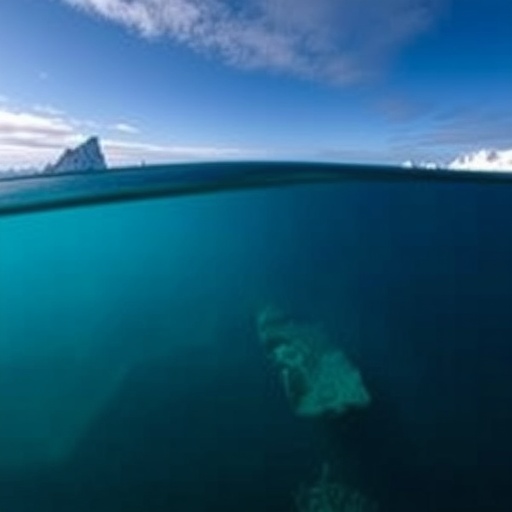
The Antarctic Bottom Water (AABW) plays a crucial role in global ocean circulation and climate regulation. As one of the densest water masses in the world’s oceans, AABW is formed from cold, saline waters that sink along the Antarctic continental shelf. Once it reaches the deep ocean, AABW drives an extensive system of ocean currents, known as the thermohaline circulation, which is fundamental to the transportation of heat, carbon, and nutrients on a global scale. Recent studies indicate that AABW is undergoing profound changes attributed to climate change, raising concerns about its implications for the marine ecosystem and climate systems worldwide.
For several decades, scientists have been closely monitoring the characteristics of AABW, revealing alarming trends. Since the mid-1980s, ocean heat content in regions below 4,000 decibars has surged, with estimates suggesting an increase of approximately 12.9 trillion watts. This influx of heat is altering the thermal and density structure of the ocean depths. The warmer temperatures are affecting the rate and volume of AABW production, with consequences that extend to the entire oceanic and climatic systems. As AABW absorbs more heat, it experiences significant changes that could lead to long-term repercussions for the global ocean.
One of the critical transformations associated with AABW is its thinning, which has been documented to exceed 50 decibars per decade. Thinning is particularly pronounced in regions closer to the sources of AABW, where freshwater input from melting glaciers is contributing to the destabilization of dense water masses. This phenomenon of thinning not only alters AABW dynamics but also impacts the larger framework of the global overturning circulation. The gravitational balance that drives the sinking of AABW is becoming increasingly compromised as lighter, less dense waters replace them in the deep ocean.
In addition to the physical changes in AABW, the composition of the waters surrounding Antarctica is evolving due to glacial melt and fluctuations in sea ice formation. The influx of freshwater from melting ice shelves is causing a reduction in salinity, which in turn disrupts the stratification of ocean layers. As the salinity of surface waters changes, the ability of these waters to sink and contribute to AABW formation is diminished, creating a feedback loop that exacerbates the conditions of climate change. Freshening of the shelf waters is particularly concerning as it denotes a shift in the delicate balance that maintains the deep ocean’s structure.
This modification of AABW is impacting various ecological processes within the deep ocean. As the overturning circulation slows, there is a reduction in the vertical mixing of waters, which plays a vital role in distributing oxygen and nutrients throughout the marine ecosystem. This change can have cascading effects on marine life, particularly species that depend on these resources for survival. The more gradual mixing processes may create less favorable conditions for fish and other marine organisms, leading to shifts in species distributions and overall biodiversity.
Models predicting the future trajectory of AABW suggest even more drastic changes as ocean temperatures continue to rise. The potential for accelerated meltwater input from Antarctica signals that we may witness an increase in the current patterns and rates of freshwater influx into the ocean. Numerical simulations indicate that as meltwater intensifies, the thinning of AABW will not only continue but very likely intensify, leading to a more pronounced slowdown in the abyssal overturning circulation. Such outcomes could alter global ocean dynamics significantly and reshape our understanding of climate systems.
The implications of these changes in AABW are profound and span far beyond the Southern Ocean. The deep ocean’s heat and carbon content are essential for moderating global temperatures and regulating carbon cycles. Disruptions in AABW and its associated processes could influence climate feedbacks, destabilizing the current equilibrium that governs our environmental systems. AABW serves as a significant mechanism for carbon sequestration; hence, alterations in its flow could have direct and long-lasting effects on both terrestrial and marine carbon cycles.
Moreover, shifts in AABW dynamics are intertwined with sea ice dynamics and glacial behaviors. As warmer waters penetrate beneath ice shelves, they can accelerate melting processes, further contributing to the influx of freshwater into surrounding oceanic systems. This cycle not only highlights the interconnectedness of climate phenomena but also underscores the urgency of addressing these changes at multiple levels. Our understanding of how AABW interacts with sea ice and glacier systems remains limited, necessitating a robust research initiative focused on these interactions.
Future research endeavors must prioritize sustained observational efforts in the deep ocean and along the Antarctic continental shelf. Improved understanding of ocean circulation processes is essential for predicting future changes and their potential impacts. Additionally, a concerted effort is needed to explore feedback mechanisms between AABW, sea ice, dense water formation, and ice shelf melt. This multifaceted approach will enhance predictive modeling, allowing us to better represent AABW in oceanic and climate models.
Ultimately, the accelerating changes in AABW underscore the urgent need for comprehensive monitoring and robust climate action. By focusing on observational data and advancing our understanding of the Antarctic regions, we can gain invaluable insights into future climate scenarios. Recognizing the role of AABW in the geophysical system cannot be understated; it is a vital component of our Earth’s climate machinery, and understanding its trajectory will be crucial as we navigate the implications of climate change.
In conclusion, the changing dynamics of Antarctic Bottom Water reveal critical insights into our planet’s future environment. The thinning of AABW, influenced by increasing ocean heat content and freshwater influxes, poses risks to global ocean circulation and climate stability. Without immediate attention to these shifts and the feedback mechanisms at play, the ramifications for marine ecosystems and the Earth’s climate may be dire. Collaborative global efforts to monitor, understand, and mitigate these changes are essential for preserving the integrity of our ocean systems and, by extension, the health of our planet.
Subject of Research: Antarctic Bottom Water dynamics and their implications in a changing climate.
Article Title: Antarctic Bottom Water in a changing climate.
Article References:
Rintoul, S.R., Stewart, A.L., Johnson, G.C. et al. Antarctic Bottom Water in a changing climate.
Nat Rev Earth Environ (2025). https://doi.org/10.1038/s43017-025-00750-2
Image Credits: AI Generated
DOI: 10.1038/s43017-025-00750-2
Keywords: Antarctic Bottom Water, ocean circulation, climate change, freshwater influx, sea ice, glacial melt, thermohaline circulation, marine ecosystem.


