

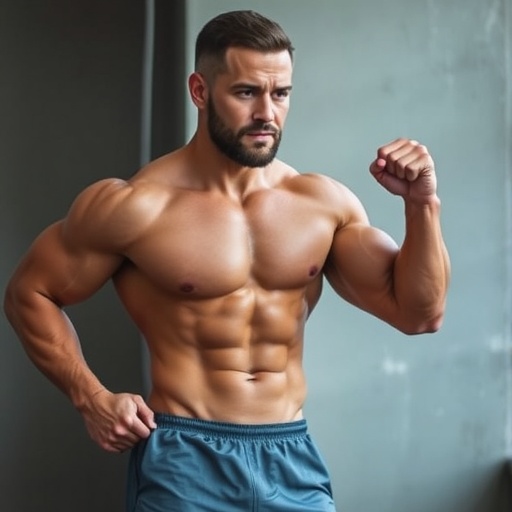
The intersection of androgens and their biological implications has long intrigued scientists and fitness enthusiasts alike. Androgens, the male sex hormones such as testosterone, are critical players in shaping body composition, influencing muscle mass, and optimizing athletic performance. Recent research led by Barsky and Monks intricately explores the role of androgens alongside the differential expression of androgen receptors in various tissues. This nuanced investigation sheds light on how these hormonal dynamics can affect not only male athletes but also broader populations, taps into the potential for tailored training regimens, and opens pathways for personalized health interventions.
Androgens operate through binding to androgen receptors, which are present in key tissues like muscle, fat, and even bone. The sensitivity and distribution of these receptors can significantly sway an individual’s response to exercise and physical training. For example, higher androgen receptor expression in muscle tissue is associated with enhanced muscle growth when stimulated by resistance training. This relationship forms the cornerstone of why some individuals respond exceptionally well to strength training, while others’ gains may plateau. The ongoing research seeks to unravel these molecular intricacies, drawing connections between genetic predispositions and training outcomes.
The implications of this research stretch beyond mere athletic performance. Understanding how androgen levels affect body composition can help in addressing obesity and metabolic disorders. Androgens promote an increase in lean muscle mass, which is inherently more metabolically active than fat tissue. This metabolic advantage could be particularly crucial for individuals striving for weight management, as improved body composition can directly correlate with enhanced metabolic rates. By elucidating these mechanisms, Barsky and Monks provide a framework for health professionals looking to devise targeted interventions in weight loss or muscle gain strategies.
Moreover, the notion of tissue-specific androgen receptor expression introduces a compelling discussion on gender differences in response to exercise. Men typically have higher levels of circulating androgens than women, contributing to distinct physical adaptations in response to training. However, the complexity of androgen action—exacerbated by the presence of various receptor isoforms—means that women, too, can greatly benefit from understanding their individual hormonal profiles. The researchers advocate for more inclusive studies that account for this variability, enabling fitness professionals to prescribe training regimens that cater to diverse hormonal landscapes.
In competitive sports, the optimization of androgen levels and receptor activity can present a significant advantage. Athletes often seek to maximize their performance through rigorous training and diet regimens, yet the biochemical foundation of these adaptations must not be overlooked. Barsky and Monks argue for a strategic application of this knowledge, which could empower athletes to not only push their physical limits but do so safely and effectively while considering their unique hormonal make-up.
Another pivotal aspect of this research concerns aging. As individuals age, natural declines in androgen levels can lead to changes in muscle composition and overall physical capabilities. The researchers propose that understanding these hormonal declines can help in developing targeted age-related strategies, allowing older adults to mitigate the impacts of sarcopenia (age-related muscle loss). This approach can lead to improved quality of life and greater independence in older populations, showcasing the widespread applicability of androgen research across age demographics.
Furthermore, Barsky and Monks emphasize the need for more nuanced research that addresses environmental factors influencing androgen receptor expression and action. External stressors, lifestyle choices, and nutritional status can all modulate the endocrine system, creating a layered complexity in how androgens function in the body. By incorporating these variables, science can paint a more comprehensive picture of health, fitness, and performance.
Emerging technology in genetic profiling presents exciting possibilities for tailoring fitness and health interventions further. Individuals could potentially receive information on their genetic predispositions related to androgen activity, allowing healthcare and fitness practitioners to customize programs that align with a person’s unique physiological state. This shift towards personalized fitness regimens could enhance outcomes, reduce injury rates, and instill a greater sense of agency in individuals seeking to improve their health through physical activity.
In a time when fitness trends fluctuate rapidly, grounding exercise programs in solid scientific research provides a sense of stability to practitioners and their clients. The insights gleaned from studying androgen interactions with exercise can lead to well-informed decisions that go beyond fads and focus on evidence-based practices. With greater understanding, fitness professionals can foster environments conducive to high-level performance while balancing health and well-being.
The implications for sports medicine are equally profound. Understanding the role of androgens can aid medical professionals in diagnosing and treating hormonal imbalances that can arise from intense training or might jeopardize an athlete’s health. By recognizing symptoms related to androgen fluctuations, sports physicians can proactively intervene, supporting athletes in maintaining not only their performance levels but their overall health.
In conclusion, Barsky and Monks invite a reexamination of traditional approaches to fitness, health, and athletic performance through the lens of hormonal science. By investigating the role of androgens and the complex interplay with androgen receptors, the research underscores the potential for individualized exercise programs that honor the body’s unique biological architecture. The researchers posit that by embracing this intricate understanding, we can cater to a diverse range of individual needs and, potentially, transform the landscape of fitness and health into a more inclusive and effective space.
As we advance into future studies, the emphasis on androgens could precipitate a paradigm shift in how we perceive body composition and performance enhancement. Scientists, fitness trainers, and health practitioners alike are called to consider the hormonal factors at play and embrace ongoing developments in research, giving credence to the interplay between biology and physical potential. The journey into understanding androgens is just beginning, yet it holds vast promise for elevating human health, performance, and well-being crafts an engaging narrative within the realm of fitness and hormonal science.
Subject of Research: The role of androgens and androgen receptor expression in body composition, exercise adaptation, and performance.
Article Title: The role of androgens and global and tissue-specific androgen receptor expression on body composition, exercise adaptation, and performance.
Article References:
Barsky, S.T., Monks, D.A. The role of androgens and global and tissue-specific androgen receptor expression on body composition, exercise adaptation, and performance.
Biol Sex Differ 16, 28 (2025). https://doi.org/10.1186/s13293-025-00707-6
Image Credits: AI Generated
DOI: https://doi.org/10.1186/s13293-025-00707-6
Keywords: androgens, androgen receptors, body composition, exercise adaptation, athletic performance, testosterone, health interventions, personalized fitness, aging, sarcopenia.


