

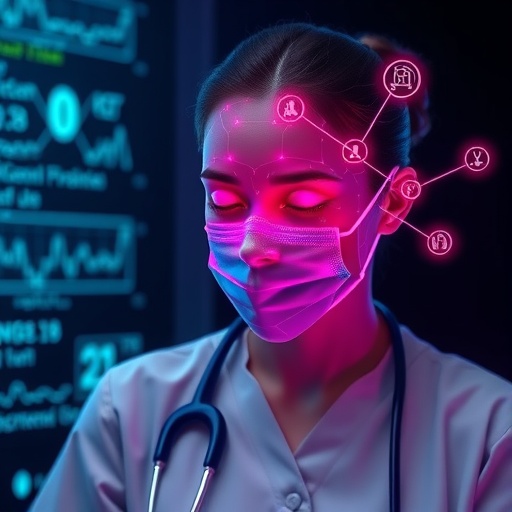
In an innovative study published in BMC Medical Education, researchers from Iran have highlighted the transformative impact of artificial intelligence (AI) on the clinical performance of nursing students. The study, led by Paygozar, Tahery, and Abnavy, investigates the extent to which AI tools can serve as a reliable predictor of success in clinical settings. This research is not only groundbreaking due to its findings but also timely, given the accelerating integration of AI into educational and medical domains.
The core premise of the study focuses on the burgeoning role of AI in healthcare education. As nursing institutions increasingly incorporate technological advancements into their curricula, understanding how these tools enhance learning outcomes has become critical. The authors utilized a cross-sectional design to analyze various facets of AI competency among nursing students, aiming to determine its correlation with their clinical performance.
A key aspect of the research involved evaluating nursing students’ familiarity and engagement with AI technologies. Surveys were administered to assess their attitudes towards AI tools, which ranged from predictive analytics in patient care to automated diagnostic recommendations. The findings indicated that students who were more comfortable with AI were more likely to perform better in clinical evaluations, suggesting that early exposure to these technologies can enhance skillsets crucial for patient management.
Moreover, the study explored the implications of AI on critical thinking and decision-making among nursing students. The ability to analyze vast amounts of data and make informed decisions based on AI predictions can lead to improved patient outcomes. As nursing professionals increasingly rely on data-driven insights, students equipped with these skills are likely to excel in their roles, making this research particularly relevant for educators and policy-makers.
One significant component of the study was the methodological rigor employed in collecting data. The researchers utilized a stratified sampling method to ensure a representative sample of nursing students across various academic levels. This approach bolstered the validity of their findings, allowing for comprehensive insights into the impact of AI on clinical performance.
The results demonstrated a clear trend: students with higher proficiency in AI tools not only performed better clinically but also exhibited enhanced confidence in their abilities. This self-efficacy is essential in healthcare settings, where quick and informed decisions can drastically affect patient care and outcomes. The correlation between AI competency and clinical performance underscores the necessity for nursing programs to incorporate technology-focused curricula.
Furthermore, the researchers delved into the attitudes of nursing faculty towards AI in education. Interviews with educators revealed mixed feelings; while there was a recognition of the potential benefits, concerns about the adequacy of training and resources were prevalent. This feedback suggests that while students may be eager to engage with AI, educators require more support to effectively integrate these technologies into their teaching methods.
As healthcare continues to evolve with technological advancements, the study sheds light on the critical need for nursing education to adapt accordingly. Institutions must assess their current curricula to ensure that students are not only proficient in clinical skills but are also educated in utilizing AI technologies to enhance patient care. The study serves as a clarion call for nursing programs worldwide to embrace innovation, preparing students for the future of healthcare.
The implications of these findings extend beyond academia into clinical practice. If nursing graduates are better equipped with AI competencies, the overall quality of care provided in healthcare settings could improve significantly. Hospitals and clinics that employ these well-trained professionals may see better patient satisfaction and outcomes, reinforcing the value of AI education in nursing programs.
Moreover, the research presents an opportunity for further investigation into the specific AI tools that most significantly impact clinical performance. Future studies might explore which technologies—be it AI-driven patient management systems or diagnostic tools—yield the most substantial benefits in nursing education. Identifying best practices will help streamline the incorporation of AI into curricula, ensuring that students receive the most relevant training.
In conclusion, the study conducted by Paygozar and colleagues emphasizes the vital intersection of artificial intelligence and nursing education. The research demonstrates a compelling relationship between AI proficiency and improved clinical performance in nursing students. As the healthcare landscape continues to transform under the influence of technology, preparing the next generation of nurses to leverage these tools will be essential for advancing healthcare outcomes.
The engagement of nursing students with AI does not only modify academic performance but also shapes the future of the nursing profession itself. As this research indicates, nursing educators must champion the inclusion of AI systems in their teaching methodologies. This adoption could ultimately transform how nursing students are trained, allowing for a holistic approach that intertwines traditional nursing knowledge with innovative technological skills.
By paving the way for a more tech-savvy nursing workforce, the integration of AI into nursing education can usher in an era of enhanced patient care capabilities. As future studies examine the specific impacts and methodologies, the findings from this research will likely influence educational practices deeply, making a significant mark in the historical evolution of nursing education.
Subject of Research: The impact of artificial intelligence on clinical performance in nursing education.
Article Title: Artificial intelligence use as a key predictor of clinical performance in nursing students: a cross-sectional study from Iran.
Article References:
Paygozar, R., Tahery, N. & Abnavy, S.D. Artificial intelligence use as a key predictor of clinical performance in nursing students: a cross-sectional study from Iran. BMC Med Educ (2025). https://doi.org/10.1186/s12909-025-08454-3
Image Credits: AI Generated
DOI: 10.1186/s12909-025-08454-3
Keywords: Artificial Intelligence, Nursing Education, Clinical Performance, Healthcare Technology, Predictive Analytics.


